Biodiesel engine under development.
A company from County Durham is hoping to lead the way in its drive to develop the first biodiesel engine to power a leading race car.
Scott Racing Ltd is aiming to fit its first prototype race engine to run on 100 per cent biodiesel engine into a car competing in the Dunlop MSA British Touring Car Championship - with the current plan being to have a car running partly on the fuel running in the series during the coming season before running on 100 per cent biodiesel in 2008.

A company from County Durham is hoping to lead the way in its drive to develop the first biodiesel engine to power a leading race car.
Scott Racing Ltd is aiming to fit its first prototype race engine to run on 100 per cent biodiesel engine into a car competing in the Dunlop MSA British Touring Car Championship - with the current plan being to have a car running partly on the fuel running in the series during the coming season before running on 100 per cent biodiesel in 2008.
One NorthEast has backed the project with a ?62,000 DTI Grant for Research and Development and Scott Racing is now keen to exploit a gap in the market as motor sport strives to boost its green credentials by adopting cleaner and more environmentally friendly fuels than petrol.
"Most of the existing cars run on petrol with a few on bioethanol - no-one has yet run a fully-biodiesel powered car, as technically it is very challenging," company managing director and former Formula Ford 1600 driver Tim Scott said. "The British Touring Car Championship has led the way with regards to cleaner fuels, they are crying out for someone to bring in a biodiesel car and they are very supportive of our development.
"I'm passionate about motor sport and I think we can make a diesel car competitive in the short term and gradually ramp up the percentage of biodiesel in the fuel to make a competitive biodiesel touring car next year.
"The Research and Development Grant from One NorthEast has massively increased the potential of this project and enabled us to be far more innovative."
Race teams will typically pay ?200,000 for the design and build of a production engine to race specification, with each new engine after that costing up to ?30,000 - teams using up to four race engines per car, per year.
Scott has enlisted the help of Dr Rob Dominy - director of the Centre for Automotive Research at Durham University - to lead project research and development and Ian Dixon - a former world championship cyclist - to manage company marketing.
"It is very likely that Formula One as well as other championships will turn increasingly to green fuels and look at energy saving technology," Dixon said. "This is the right time for this project; the environment is high on everyone's agenda, so people are much more aware and we believe we have the capability to deliver a competitive biodiesel engine."
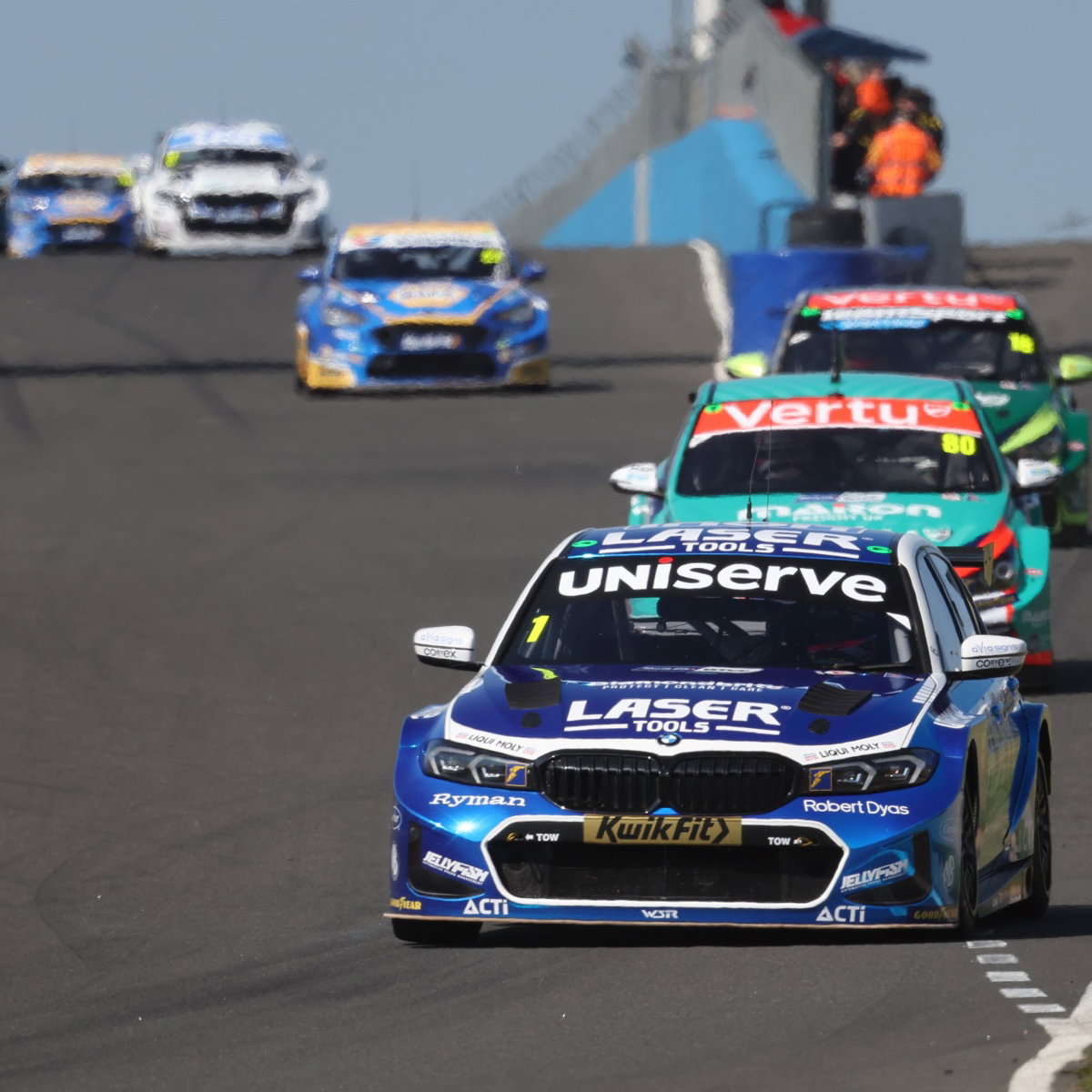
BTCC series director Alan Gow welcomed the plans in place, and said he was confident that any project running on biodiesel would be a popular addition to the grid.
"I'm delighted to hear of Scott Racing's plans - which I certainly hope come to fruition," he said. "The BTCC would welcome biodiesel technology and I'm surprised no competitor has yet taken this route. The BTCC is the premier motor racing championship in the UK meaning such a project will be closely followed by the media and public.
"In fact, I imagine that such a project would gather considerable intrigue and support from the many millions of fans who watch the BTCC at the circuit and on television each year."
Biodiesel could be sourced from the burgeoning North East biofuels industry, most likely derived from oil seed rape or palm oil.
Biodiesel is estimated to add 85 per cent less carbon dioxide to the atmosphere from engine emissions in comparison to conventional petrol driven cars. The Scott Racing team has spent more than a year developing its biodiesel engine project - with a key aim being to produce a reliable engine with enough power to compete with the current petrol powered cars.
The BTCC has already seen cars running on alternative fuels, with Team Mardi Gras spending a season competing on LPG and Techspeed, Team RAC, Kartworld Racing and Team Farecla all using bio-ethanol last year.