F1 »

BMW: No danger in KERS electric shock

BMW-Sauber has sought to affirm that there was no danger when one of the team's mechanics suffered a high-voltage electric shock whilst the squad tried out the new Kinetic Energy Recovery Systems (KERS) set to be introduced into Formula 1 next year.

The incident occurred during testing at Jerez in southern Spain late last month [see separate story – click here], with the Munich and Hinwil-based outfit's test driver Christian Klien at the wheel of the prototype F1.07C equipped with the KERS device. The unnamed mechanic was thrown to the ground after touching the car when it returned to the pits, and was subsequently transferred to hospital, though he fortunately escaped any serious injury.

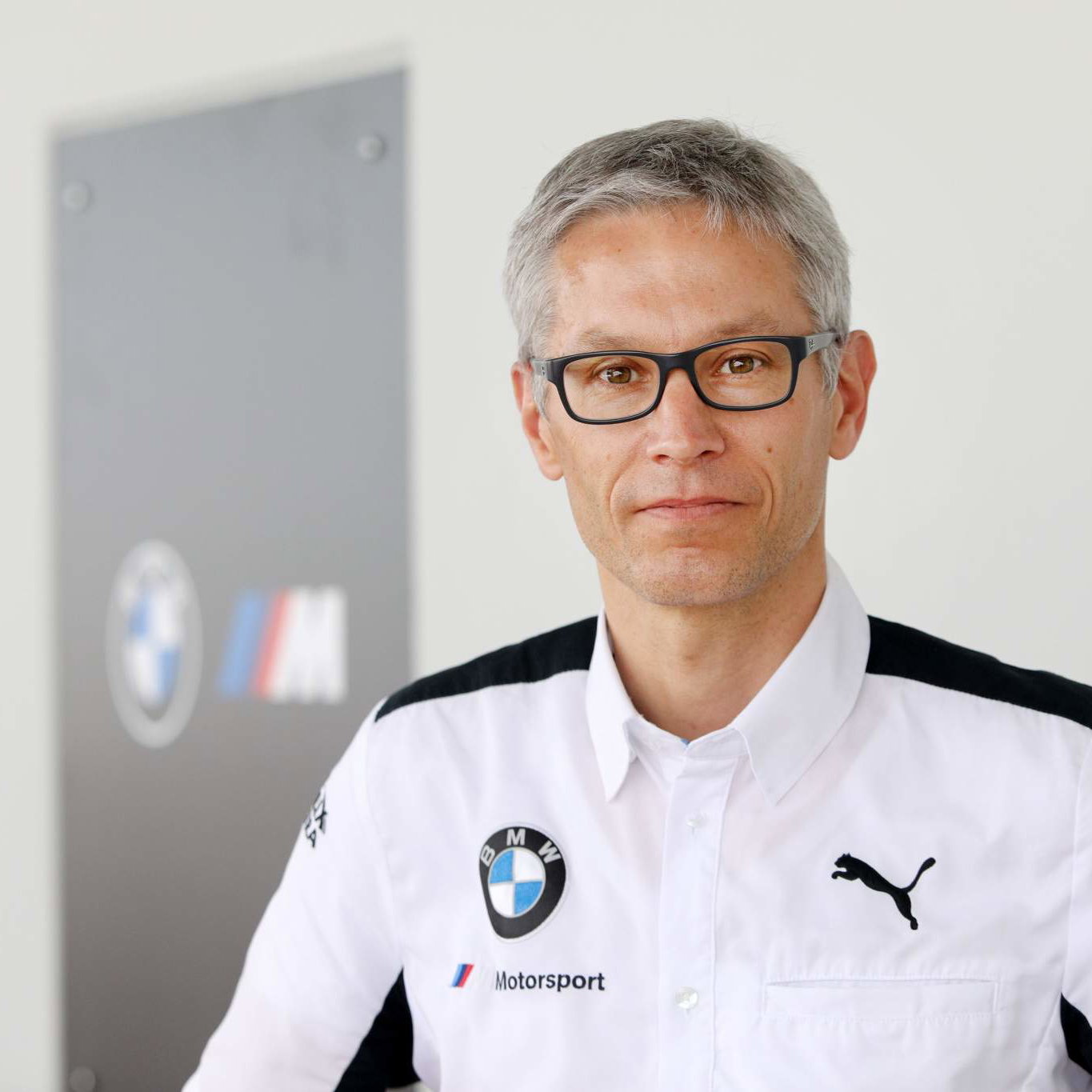
The electric shock was the second setback to befall KERS since development of the new device began, on the back of a fire scare during a battery test at Red Bull Racing's Milton Keynes factory. Following investigations, however, BMW head of power train Markus Duesmann is adamant there was no danger involved.

“The mechanic suffered an electric shock after touching the sidepod and steering wheel of the car,” he explained. “There was a high-frequency AC voltage between these contact points, the cause of which has been traced back to the KERS control unit and a sporadic capacitive coupling from the high-voltage network to the twelve-volt network.

“The voltage ran through the wiring of the twelve-volt network to the steering wheel and through the carbon chassis back to the control unit. The problem was caused by a sporadic error in the control unit.

“Only a small amount of energy can be transferred through this capacitive coupling effect; however, the energy is sufficient to cause an extremely painful reaction. The driver was insulated against the car by his racing overalls and gloves and therefore was not in any danger.

“In addition to the measures required to tackle the issue at hand, the extremely far-reaching analysis we conducted also gave rise to other recommendations which are of great value for the development of electric KERS systems.

“Among the measures arrived at are changes in the design of the control unit to avoid capacitive coupling effects, extended monitoring functions for high frequencies and a conductive connection of the chassis components to avoid any electric potential.

“We have already handed over this safety analysis, complete with measures and recommendations, to the FIA, and will also make our findings available to the other teams at the next meeting of the Technical Working Group.

“We will resume the testing programme once all the necessary amendments to the safety concept have been implemented. We expect this to be the case in the autumn.”

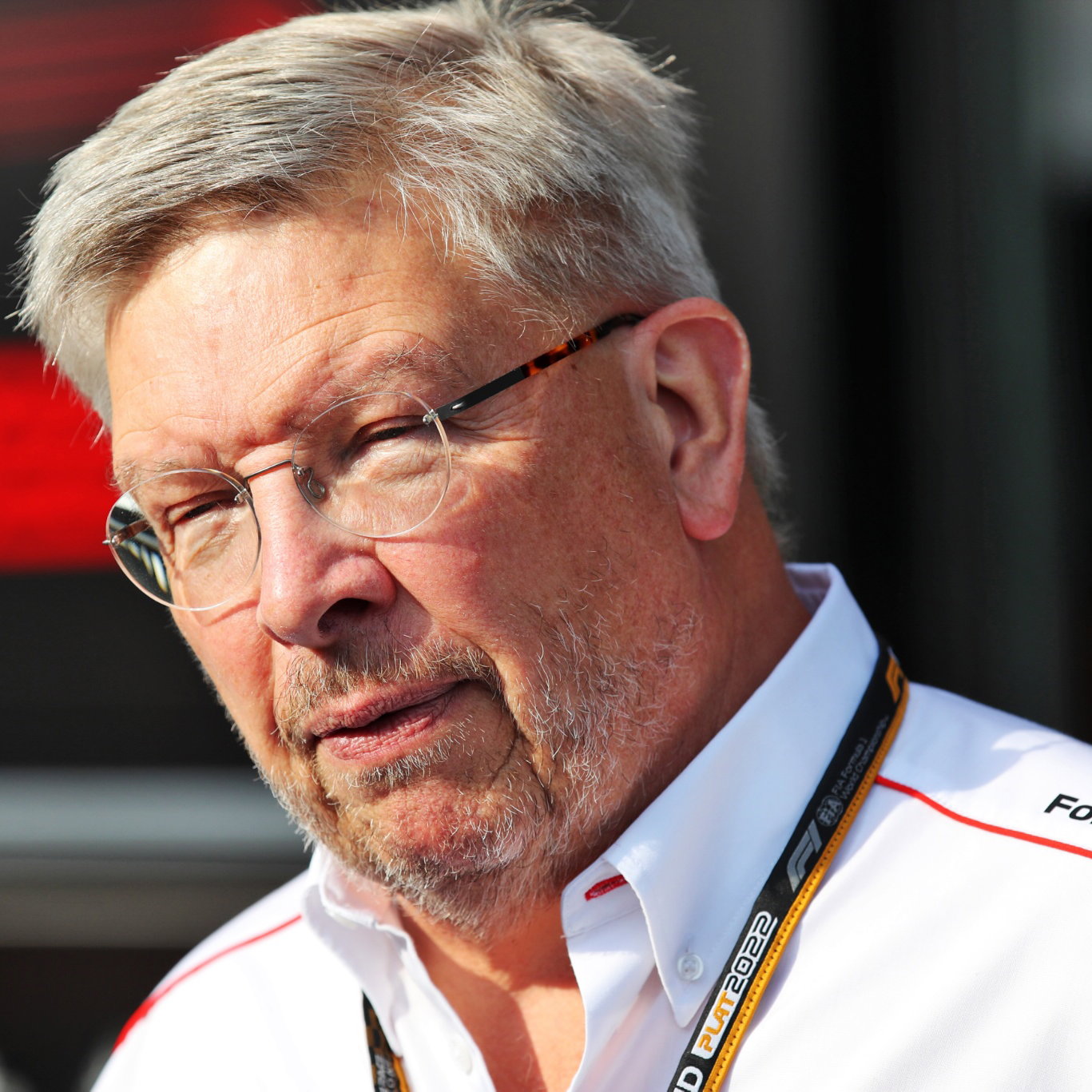
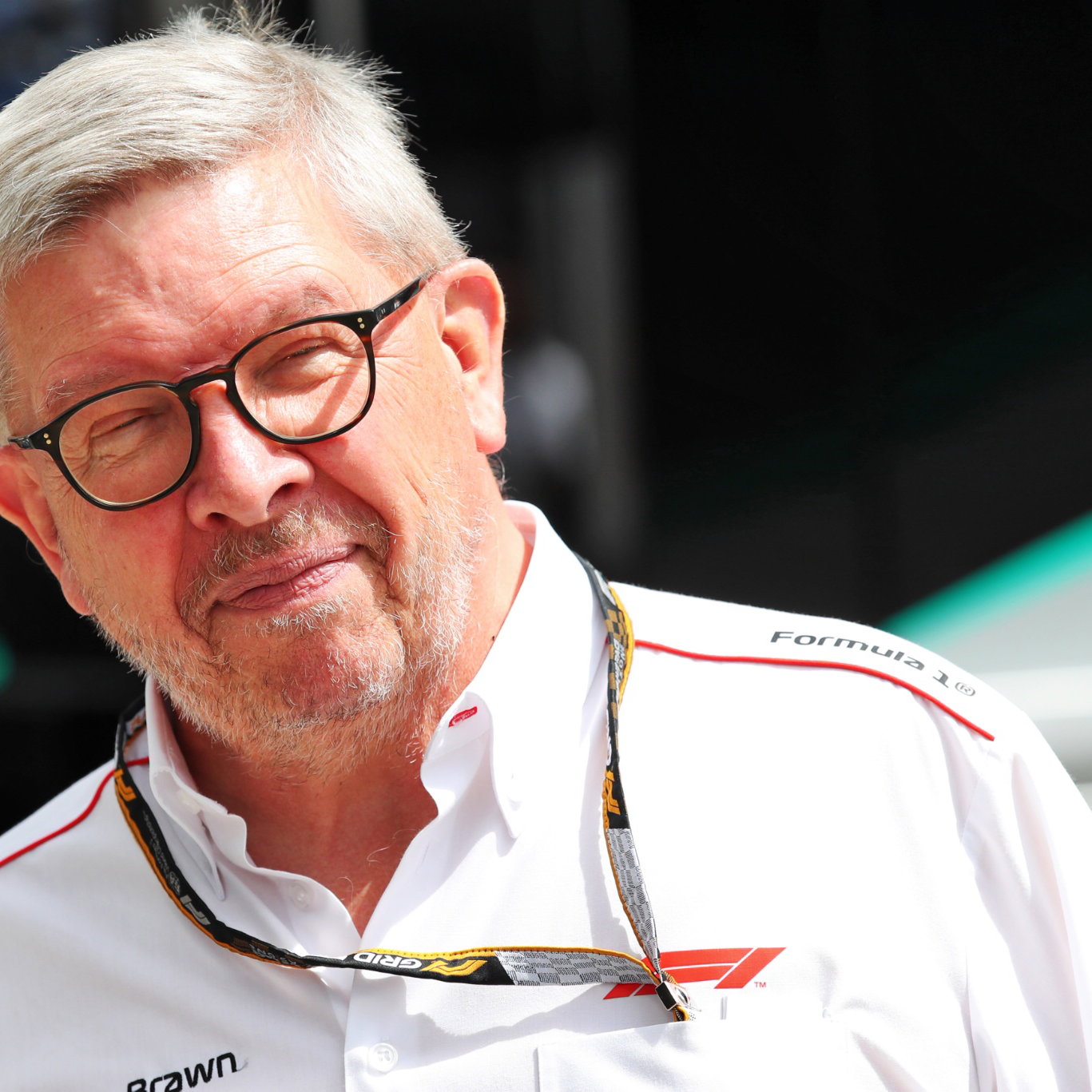
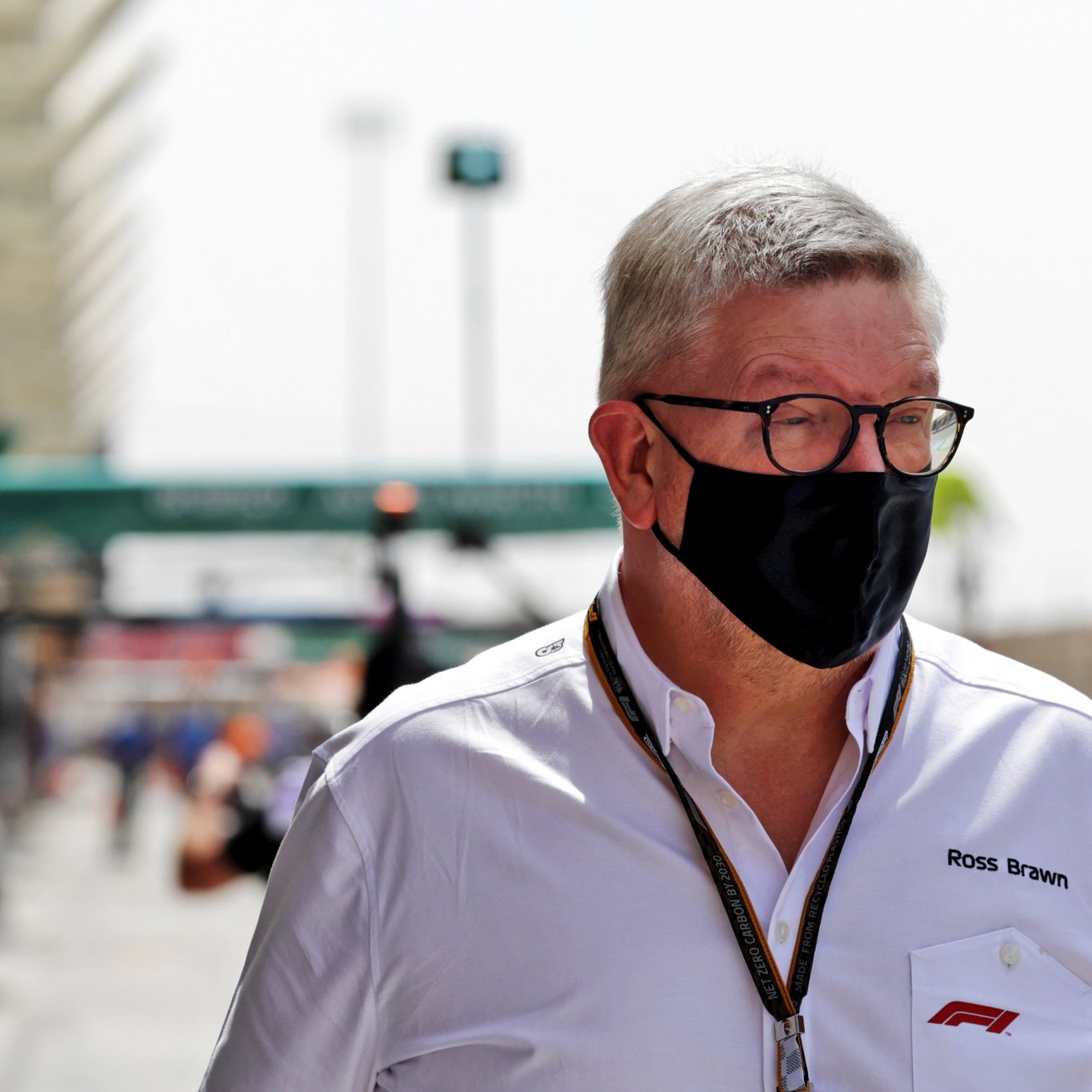
With safety of the new KERS technology acknowledged as being of paramount importance [see separate story – click here], Honda team principal and technical spokesman for the new Formula One Teams' Association, Ross Brawn, confirmed to Swiss publication Motorsport Aktuell that all ten of the sport's teams are working closely together and “sharing their experiences…to ensure we have a very high safety standard”.

Comments
Comments

Social Networking
Social Networking


Latest Comments
Latest Comments
1 disagrees.
Report Abuse
Interesting,!!

We already have a few pit lane fires caused by fuel hitting a hot engine.
and yes I know that the cars are well insulated but I''d be interested to see if anyone has considered the danger of a high voltage ''short circuit'' when refuelling
Posted by Shirley Knott (460 days ago)
Latest Comments
Related Images

Related Images

Nick Heidfeld (GER) BMW Sauber.F1.08, Hungarian F1, Hungaroring, 1st-3rd, August, 2008
Nick Heidfeld, BMW-Sauber, 2009 Abu Dhabi Grand Prix [pic credit: BMW-Sauber]
Robert Kubica, BMW-Sauber, 2009 Abu Dhabi Grand Prix [pic credit: BMW-Sauber]
Jarno Trulli, Toyota F1, 2009 Abu Dhabi Grand Prix [pic credit: Toyota F1]
Kamui Kobayashi, Toyota F1, 2009 Abu Dhabi Grand Prix [pic credit: Toyota F1]
Jarno Trulli, Toyota F1, 2009 Abu Dhabi Grand Prix [pic credit: Toyota F1]
Kamui Kobayashi, Toyota F1, 2009 Abu Dhabi Grand Prix [pic credit: Toyota F1]
Adrian Sutil (GER) Force India F1 VJM02. Formula One World Championship, Rd 17, Abu Dhabi Grand Prix, Practice Day, Yas Marina Circuit, Abu Dhabi, UAE, Friday 30 October 2009 [pic credit: Force India F1]
Vitantonio Liuzzi (ITA) Force India F1 VJM02 in the first practice session. Formula One World Championship, Rd 17, Abu Dhabi Grand Prix, Practice Day, Yas Marina Circuit, Abu Dhabi, UAE, Friday 30 October 2009 [pic credit: Force India F1]
Vitantonio Liuzzi (ITA) Force India F1 VJM02 in the first practice session. Formula One World Championship, Rd 17, Abu Dhabi Grand Prix, Practice Day, Yas Marina Circuit, Abu Dhabi, UAE, Friday 30 October 2009
Vitantonio Liuzzi (ITA) Force India F1 VJM02. Formula One World Championship, Rd 17, Abu Dhabi Grand Prix, Practice Day, Yas Marina Circuit, Abu Dhabi, UAE, Friday 30 October 2009 [pic credit: Force India F1]
Located on the north-east side of Abu Dhabi’s mainland, Yas Island is 2,500 hectares or 25 square kilometres. Prior to 2007, Yas Island had no amenities or facilities – including roads, electricity or water supply. Conveniently located, Yas Island is 20 minutes from the centre of Abu Dhabi, ten minutes from Abu Dhabi International Airport and 50 minutes from Dubai [pic credit: Yas Marina Circuit]
By May 2008, the Yas Marina Circuit foundations are clearly visible from the air [pic credit: Yas Marina Circuit]
By May 2008, work on the main grandstand is underway. More than 6,000 spectators are entertained in the main grandstand opposite the pit building and garages. For many fans, this is the heart of the action, where the team pit garages and pit-stops take place, the location of the start/finish line as well as the victory podium [pic credit: Yas Marina Circuit]
By November 2008, substantial progress continues on the main grandstand, pit buildings and the Yas Hotel, with Yas Marina clearly defined. The pit buildings contain 40 independent garages, each 140 square metres, fully air-conditioned with an air-wall at exit onto pit-lane. The pit building houses the team’s two race cars, all spare parts, engineering equipment and the computer data storage and analysis equipment. Between 75 and 100 people will work in each respective team’s garage [pic credit: Yas Marina Circuit]
October 2009, the night-time view from the Yas Marina circuit`s North Grandstand, looking down the section of the track where the drivers will wrestle through the chicane and hairpin and exit onto the longest straight in F1 [pic credit: Yas Marina Circuit]
October 2009, the Yas Marina circuit home straight with Shams Tower in the background. `Shams` is Arabic for sun, and the tower has inbuilt solar panels to generate electricity [pic credit: yas Marina Circuit]
Related Images
 
Site Map
© 1999 - 2009 Crash Media Group
The total or partial reproduction of text, photographs or illustrations is not permitted in any form.

Contact Crash.Net  |  Advertise on Crash.Net  |  Our Privacy Policy  |  About Crash.Net  |  Get News Feeds  |  Need a Website?

Find car reviews on sports cars such as Ferrari, BMW, Porsche and many more.