Williams' F1 weight loss work done, but will take time to reach the car
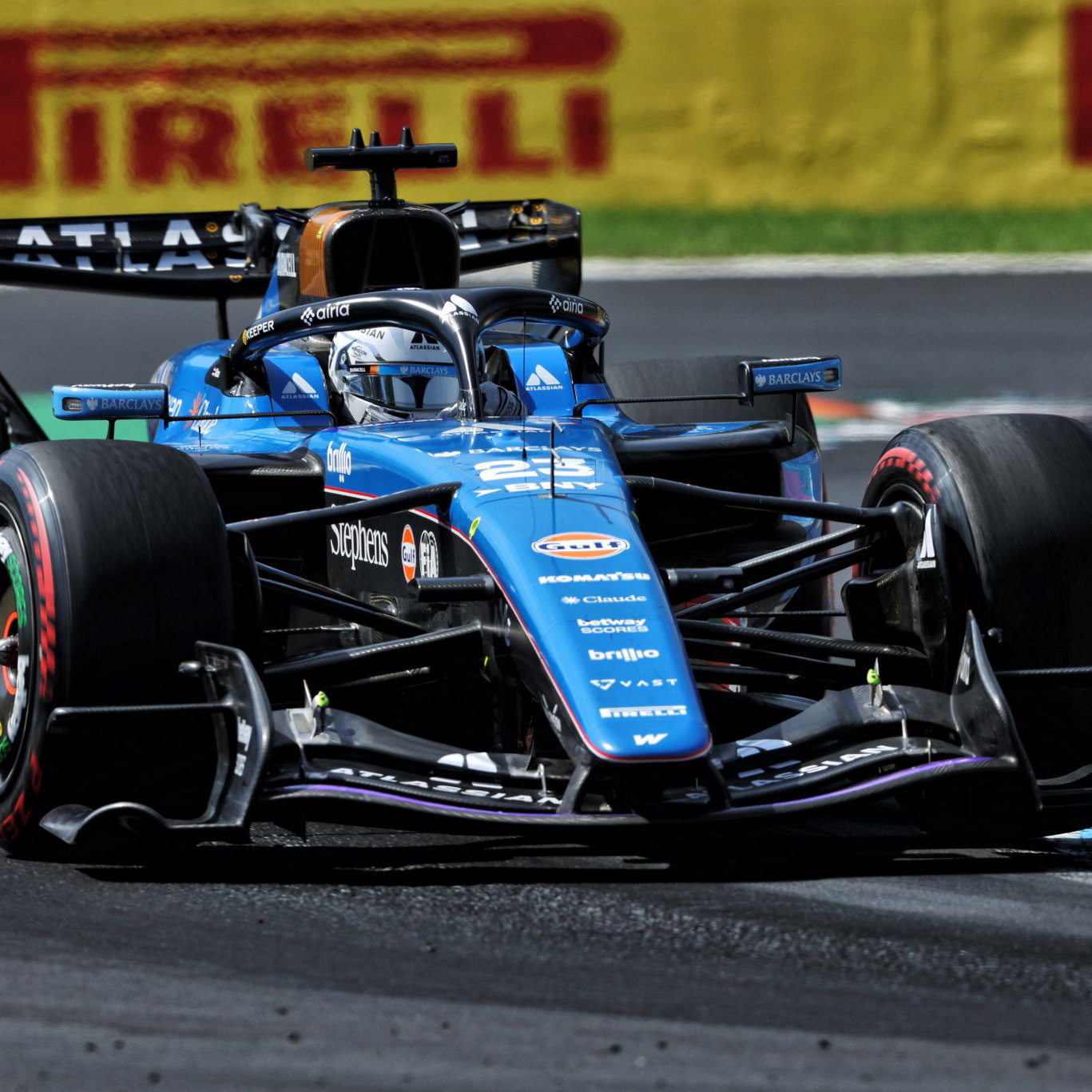
Williams has completed weight-loss work on its 2026 F1 car, but it will take time to reach the track

James Vowles says the engineering work to reduce the weight of the 2026 Williams Formula 1 car is complete, but it will take time to make it to the track.
The car has been carrying a weight penalty all year, and the team used the spring break to tackle that handicap as well as other issues.
Williams finished fifth in last year’s world championship, but currently lies only ninth with just two points on the board after a tricky start to the season.
“A really messy winter and the break gave us an opportunity to reset, take a breath, to catch up and form a plan for not just Miami, for which we bought upgrades,” said Vowles.
“But really what we're doing now across everywhere up until the end of the season is to put ourselves back into a sensible position, fundamentally.
“And I'm proud of the work that the team did. Every area was basically working at maximum capacity, and that's despite a difficult winter where people were putting in big, big hours.
“However, that the gap is so large from where we are to the front that I'm sure we've made a small step into that, but it is a small step, and we need to keep doing that across the number of races in the future in order to make a tangible difference.”
Asked what the goal was for the rest of 2026 he said: “For me, it's as we get to where we finished developing the car, which will be after the August break, that the car is sensibly back to being the top of the midfield, with everything in a sensible position, building on next year's car.
“The engineering that's been done over the last five weeks is all the weight's removed from the car – it's not delivered yet, but the engineering work is complete, plus another 10 kilos on top of that. That's a sensible step.
“Pitstops are back to being in the top three, top four. There's 150 pit stops completed. That we bring aerodynamic performance that translate on track. So here we've had an aero update, and exhaust blowing.
“It's still good to see that across the board, we have about 40-50 performance projects, and when they come that they do deliver the performance we're expecting.”
Vowles clarified that the delay in getting the weight savings to the car was due to production schedules and also the need under the cost cap to use current components for their full life cycle before replacing them with lighter versions.
“What I was mentioning there was the engineering work that they've completed is all of the weight is out of the car, and 10 kilos below. So the engineering work's been completed.
“It's not delivered to the car, because in cost cap world, it's just not efficient to do that manymore. You've got to be careful about bringing product to the track at a point where it's effectively out of life and out of cycle.
“But what I'm pleased about is already the demonstration that we can engineer the car at the right level to have it at the right weight is complete and done. That's what I'm looking for out of the business. The production of it will take a bit of time now.”
Regarding the saving for Miami he said: “In terms of weight here, it’s a couple of kilos, and every race will be a couple of kilos, fundamentally.”
Tags:

Adam Cooper attended his first F1 race at Brands Hatch as a 10-year-old fan in 1976. He became a freelance journalist for Autosport magazine in 1985 while still at university, initially covering everything from club racing to the FIA World Sportscar Championship.