What does the 2026 F1 car feel like to drive? Mercedes duo give in-depth insight
The new generation of Formula 1 cars weren’t met with great enthusiasm by drivers when they were first tried in the simulator last year. But after the first real test of the new machines in Barcelona, the outlook from some corners has changed completely. Mercedes duo George Russell and Andrea Kimi Antonelli go in-depth on how the new cars feel to drive

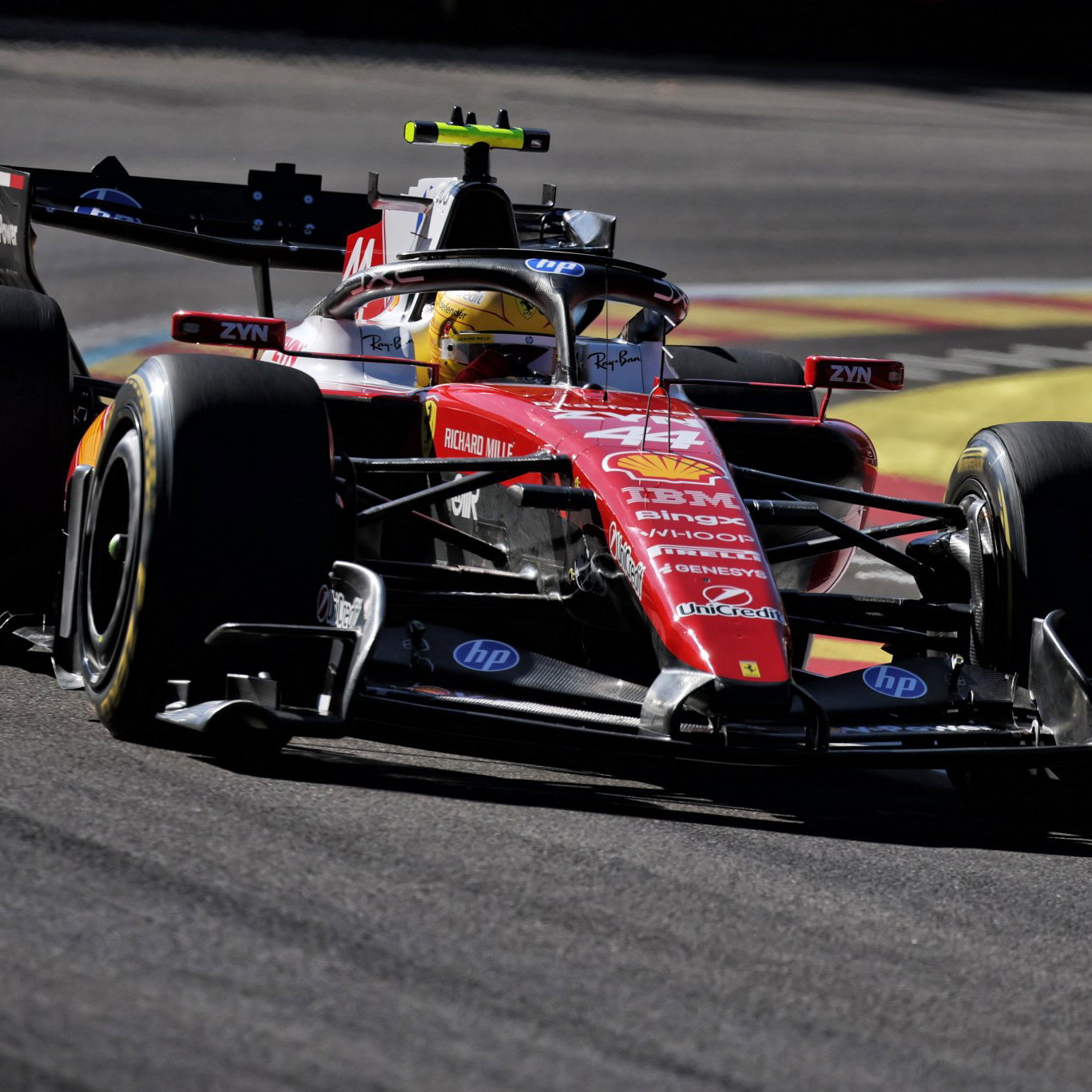
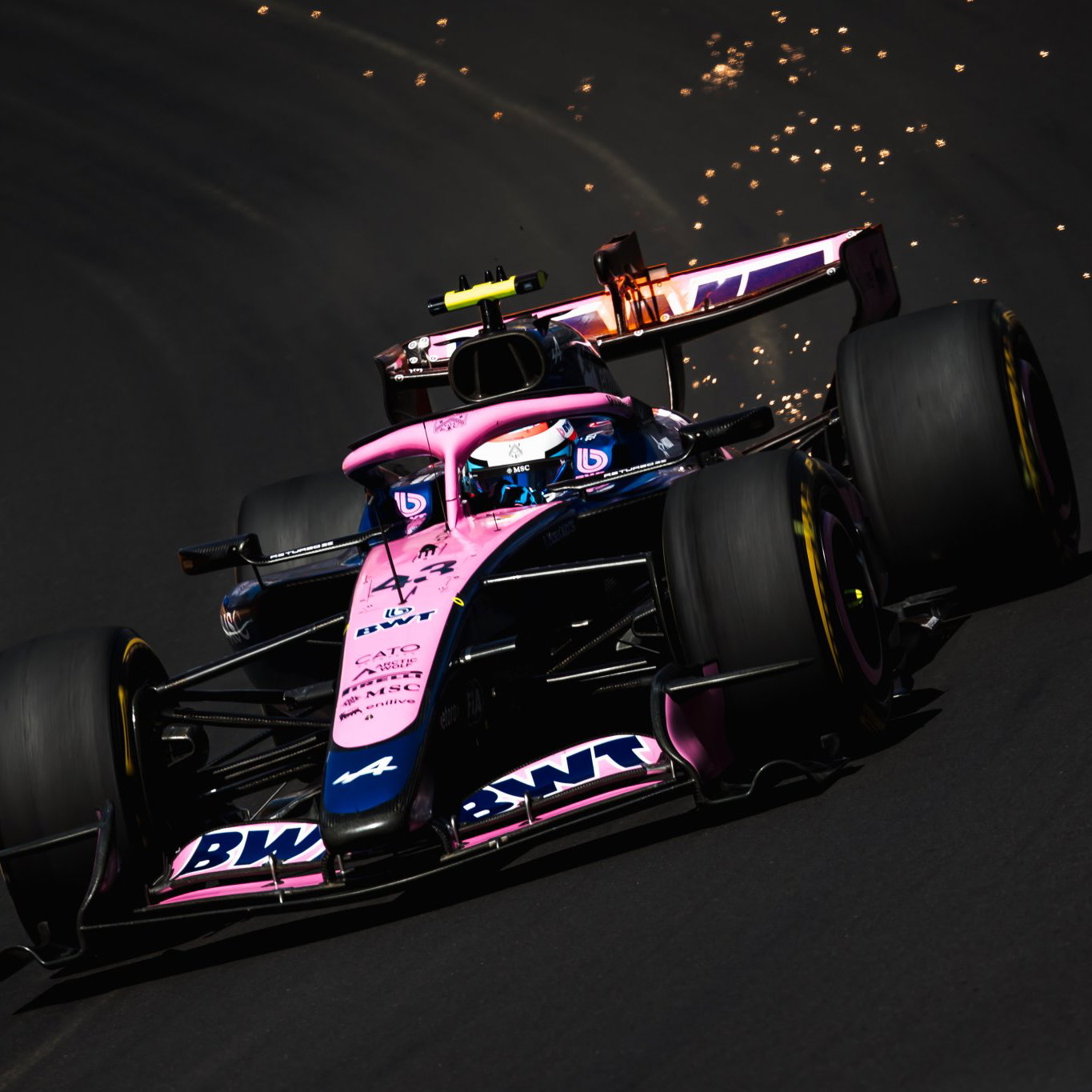
The 2026 Formula 1 season sees the biggest technical shake-up in years, as the ground effect cars introduced in 2022 have been consigned to the history books in favour of lighter, smaller and more powerful machinery.
The new regulations set sees major changes to the aerodynamic profile of the cars, as well as the addition of active aerodynamics on the front and rear wing, replacing the old drag reduction.
The new power units are also more powerful, with a 50/50 split between internal combustion and electrical energy. The biggest change compared to the old engines is the removal of the MGH-H element of the power unit.
These drastic changes are aimed at improving the on-track spectacle. With just one test in the books, whether the desired effect has been achieved remains a big question mark. But we are now starting to get a better understanding of what the new cars feel like to drive.
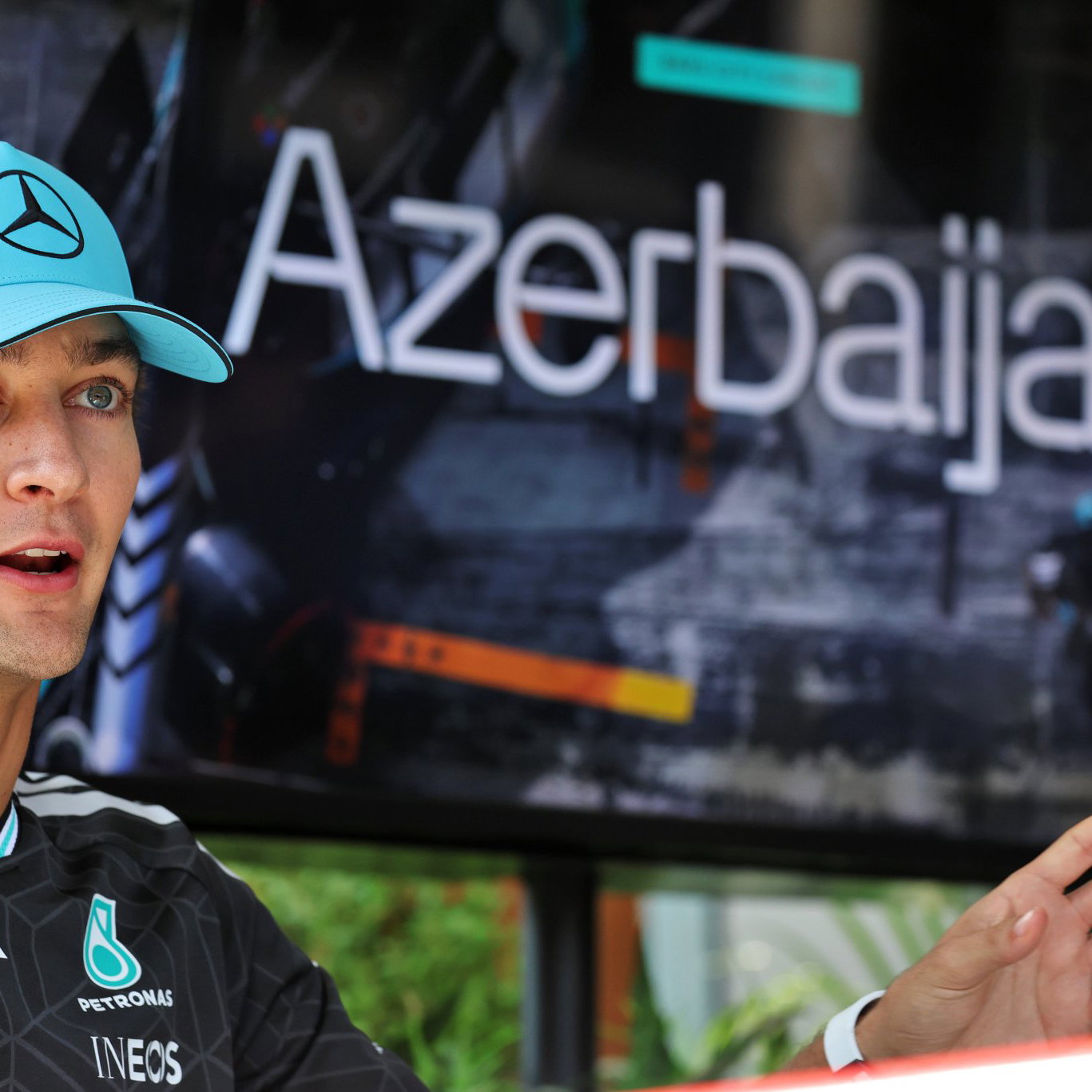
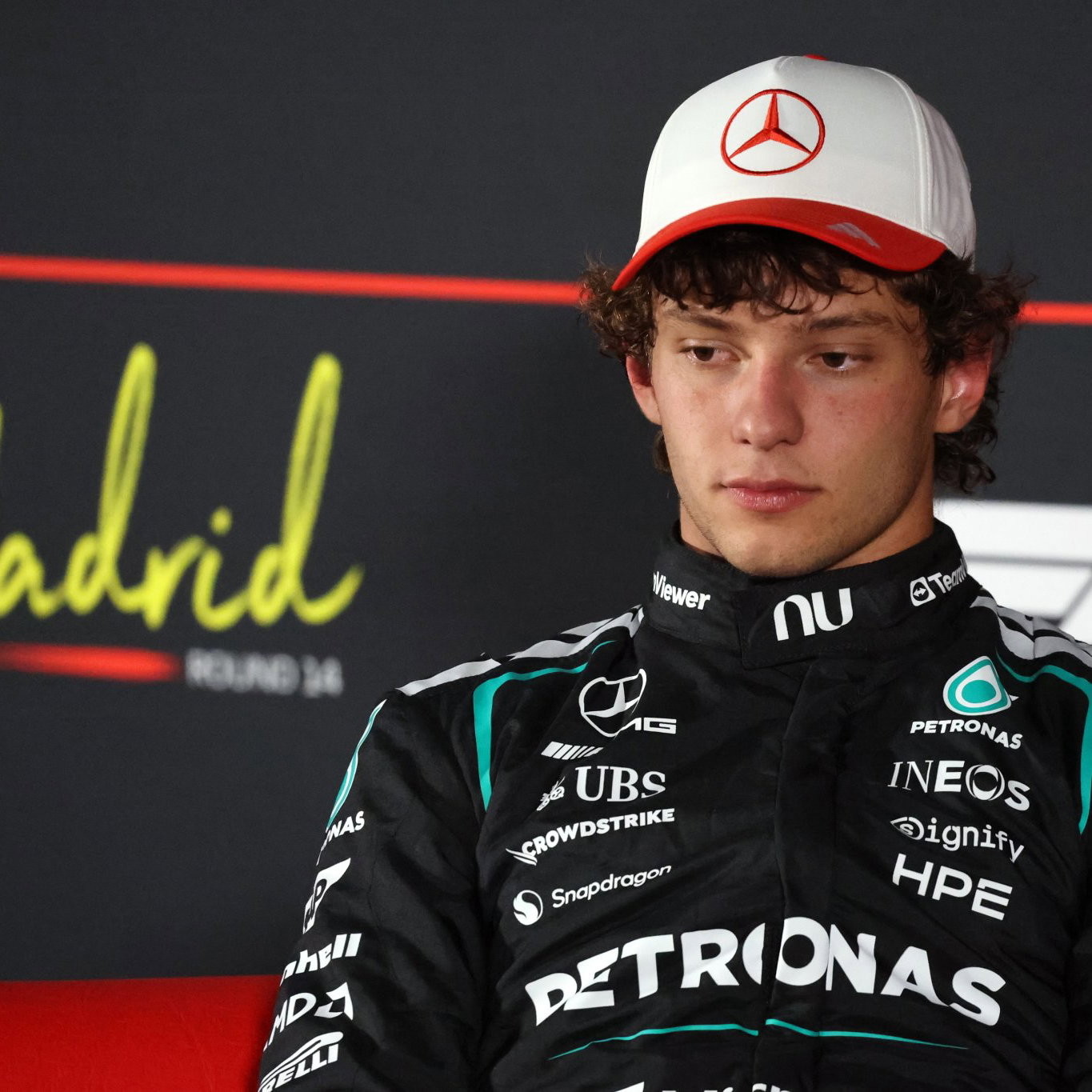
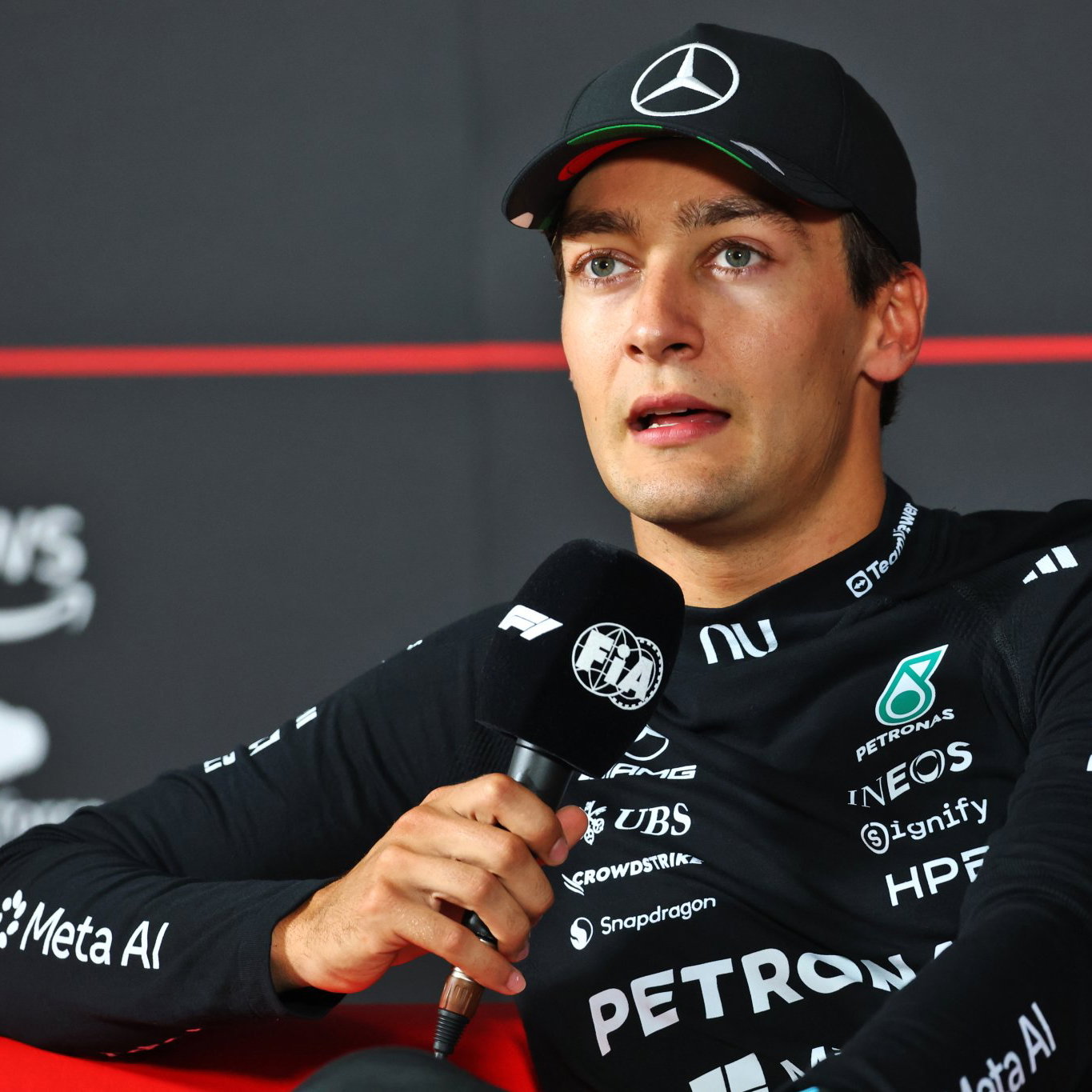
During a media call with Mercedes on 2 February, which Crash.net was in attendance for, George Russell and team-mate Andrea Kimi Antonelli spoke at length about the sensations in the cockpit of the 2026 cars.
“There hasn't been anything so far that has surpsied us in a negative way,” Russell said. “And I would also say, more from the power unit side, there was lots of chat about potentially having to downshift on the straights in some circumstances. That will probably continue to be the case, but it doesn’t feel that abnormal.
“It’s like if you are driving your car uphill, you’re still going flatout but you’re just losing a bit of speed and you may just downshift to give you a bit of extra revs to get up that hill. That’s sometimes what it feels when the engine is harvesting and you are regenerating the battery. So, there are occasions when you downshift on the straight even when you are flatout. But, it felt more bizarre in the simulator than it did in reality.”
Kimi Antonelli added: “I think the car to drive is good fun. Despite being a bit slower than last year, you don’t feel it.
“Of course you feel it more in the high-speed with the lack of downforce compared to last year’s car, which will be really hard to match. But we’re just at the start of the regulations and the evolution will be massive for years. I think the car as a baseline is pretty good. It’s much better than expected and it’s fun to drive.
“You feel the 30 kilos less, and the car being a bit smaller, you feel it. It’s more agile in change of direction and in the slow-speed corners, which is a nice feeling. We don’t have bouncing anymore, which is another good thing. So, you don’t have to run the car as low and stiff, so you more room to play with ride heights. You have a bit more room to play with the set-up, which is super nice and interesting as a driver to also understand what compromises you can find set-up-wise.”

2026 cars “definitely still Formula 1”
A considerable fear coming into the new rules cycle was that the way to drive these cars fundamentally moves away from the established ideas of what F1 machinery should be like.
Russell notes that there are certainly quirks of the new cars to get on top of, particularly around harvesting and energy deployment. But he says this is no different to how previous generation of F1 cars have required different styles to get on top of development evolutions.
“It’s definitely still Formula 1,” he beamed. “It feels like a race car. And you’re still very much pushing the limits. But you are driving it differently. If you look back at the late 80s and 90s, and you watch Ayrton Senna blipping the throttle through apexes to spin the turbo, that’s also a unique way of driving. Also in the same way when you went from a gearstick to paddles. It’s just different and it changes.
“It’s definitely challenging for the drivers. You have instances where, when you go around corners faster, you’re spending more energy and harvesting less. So, you have less energy to spend over the course of a lap.
“So, you may gain a few tenths in a corner, but lose a couple in the straight. So, that takes a bit of time to get your head around it. But once you do, that will just be the normal way of driving. It was far more simple than I anticipated and it was far more intuitive to drive.
“The power unit, the gear choices - all the teams are having to use quite low gears through the corners to maximise the harvesting, all of which we had question marks around. But it just feels like a race car, to be honest.”
He admits “there are a lot of things that can catch you out”, but after a handful of races “this will become second nature”. One are of particular difficult at the moment is the race start procedure with the new power units. According to Russell, these “are not simple to get the energy in the right level, the turbo spinning at the right rate. So, it is a real challenge. But I think the ones who put the most amount of work in today will come off the best in the early races.”
“Brutal power” from new engines will have its drawbacks
The new power units have a 300% electrical power increase compared to last year, leading to “brutal” delivery, according to Kimi Antonelli. This means the 2026 cars will have a lot more push out of corners, but the increase in power also brings with it some concerns.
Chief among these is the drastic closing speeds that could be encountered between a car harvesting and one going at full speed behind. Russell doesn’t believe this will be an issue in dry conditions, but could pose a problem in the wet. That said, he also thinks that reduction in speed that naturally occurs during wet sessions and the greater amount of energy harvesting that occurs will negate this somewhat.
Kimi Antonelli noted that the increase in power means qualifying laps will have to be approached with a more lift-and-coast style, while tyre wear in races has the potential to be more extreme than before.
“We have a lot more power from the electrical engine,” the Italian, entering his sophomore season in F1, explained. “The acceleration is quite brutal, especially when you get to 350km/h. Of course, it doesn’t last the whole straight, but it still feels nice to drive. Obviously, it will depend on track to track. Barcelona is nice for deployment, but when we go to Monza it might be a different story.
“Depending on the track, it might require some lift and coast, even in qualifying, which is a bit unnatural to do. But it’s something we will have to learn because the battery is so sensitive to driving style as well. So, depending on your input, it can change the deployment you get in the next straight. It’s been a massive learning so far.
“Another topic will be tyres. More power, degradation might be higher, especially on the rear. It might be a bit more difficult to handle with the amount of power we get out of the corners. That is going to be another interesting thing. And also how to manage the turbo lag. This year we’re missing the MGU-H on the PU side, and the turbo you feel a bit more lag while driving. It’s very minimal because the team has done an incredible job, but you do feel it at times a little bit.”

Positive signs about overtaking emerge from Barcelona test
The key hope with the new cars is that overtaking will become easier. Mercedes team boss Toto Wolff said he expects moves to happen in unexpected places with these new, smaller cars.
On his experience so far, Russell said: “Following definitely does seem easier, especially in the high-speed corners, firstly because you have less downforce. You go through the corners slower, so there is naturally less wake.
“As awesome as it was to experience those really high speeds in high-speed corners [with the ground effect rules], these cars just feel nicer in the corners. It just feels more like a race car, a bit lighter. The cars before were a bit too big and it felt like a bit of a bus through those corners.”
Crucially, Russell doesn’t believe traditional driving skills will be overulled by the new technology at the drivers’ disposal: the fastest, bravest driver, is still going to win any on-tack battles.
“I think that was a question I had going into the test, whether it would be like Formula E, where you need an engineer to drive the car and not a driver,” he said.
“But it felt more intuitive to drive than expected. And it’s the same way as with a bit of tyre management. Drivers in the past have lifted and coasted very often to save the tyres. That doesn’t take away from anything; it’s just the most efficient way to drive.
“Now we have some additional quirks, but you still have to brake as late as possible, carry as much speed through the corners. The faster driver will still be the one who comes out on top. I don’t think it will be an engineering race from the cockpit.”