Why Marc Marquez thinks 2027 is the “most difficult” MotoGP rider market of his career
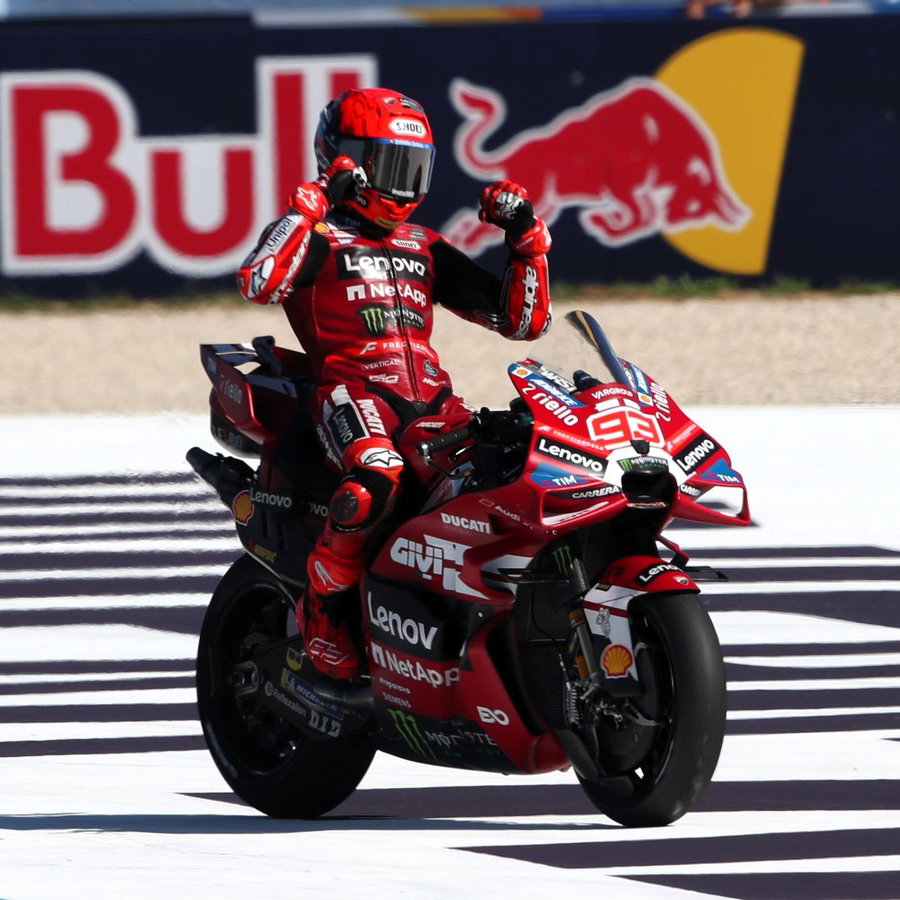
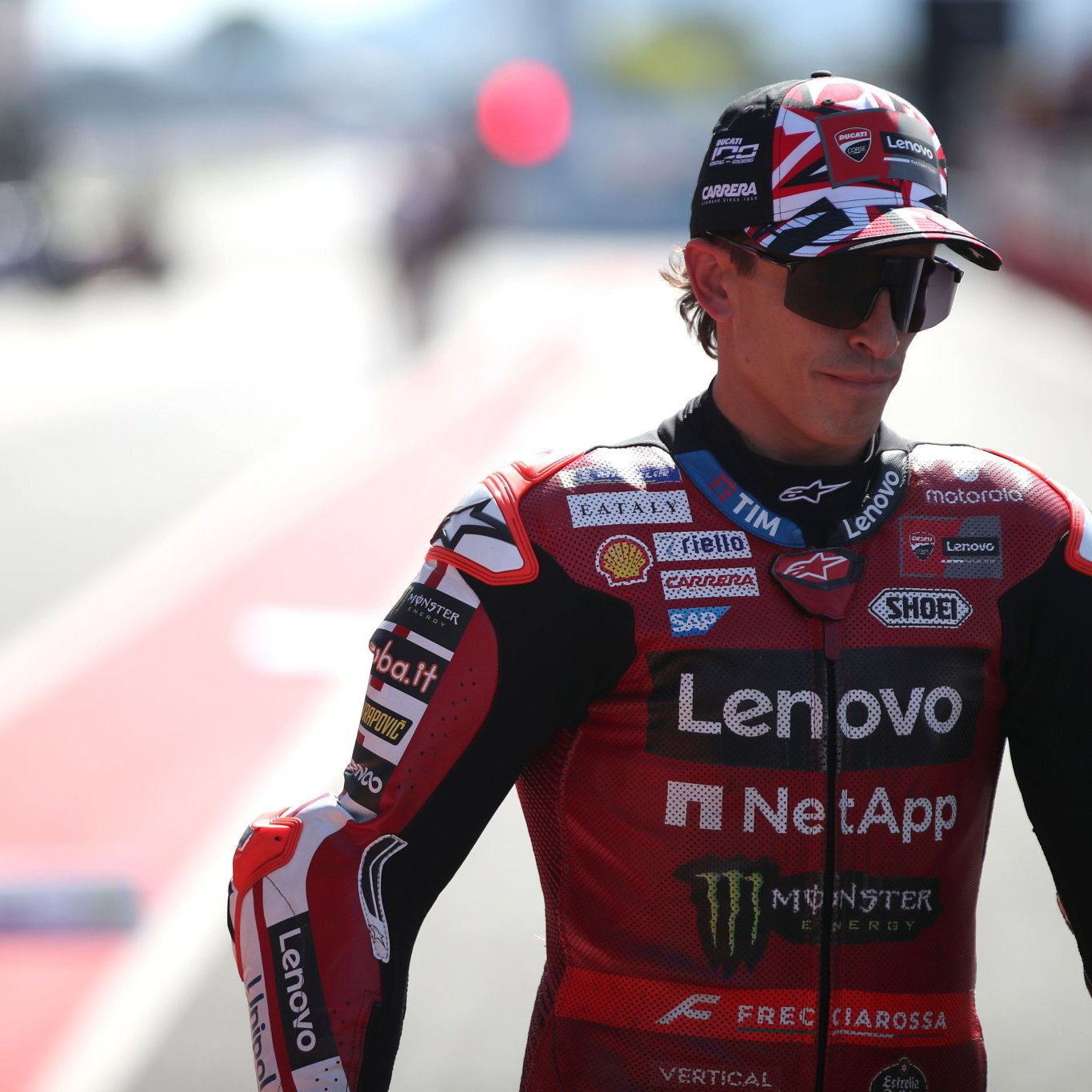
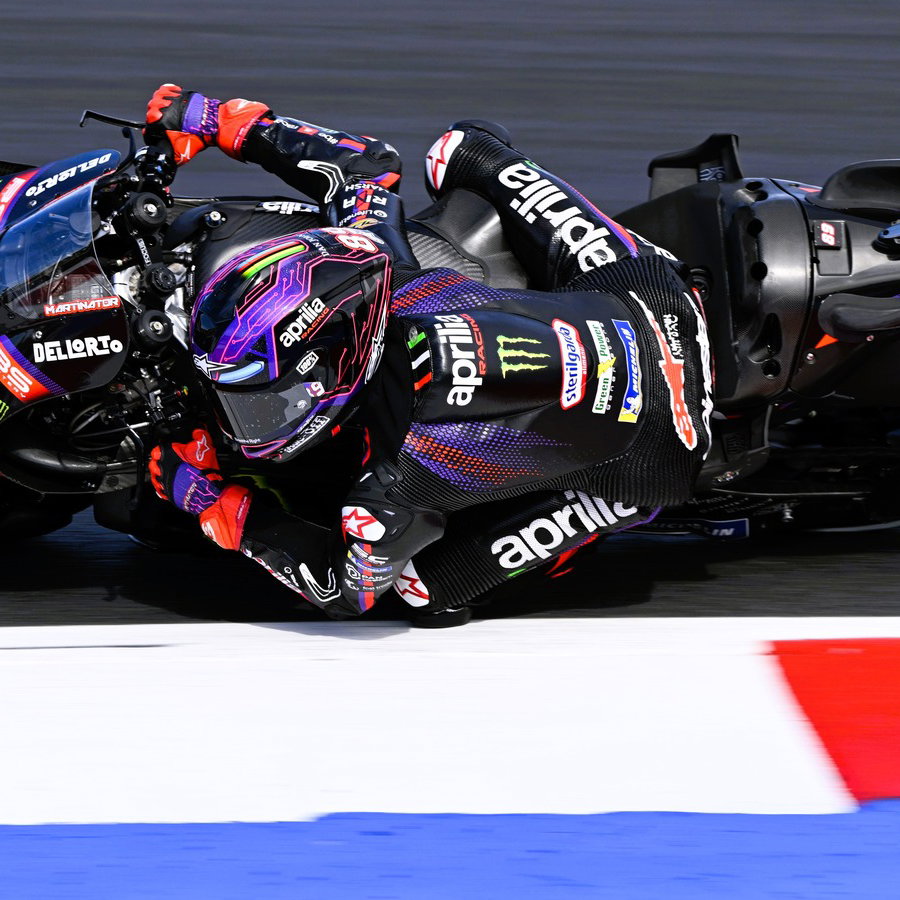
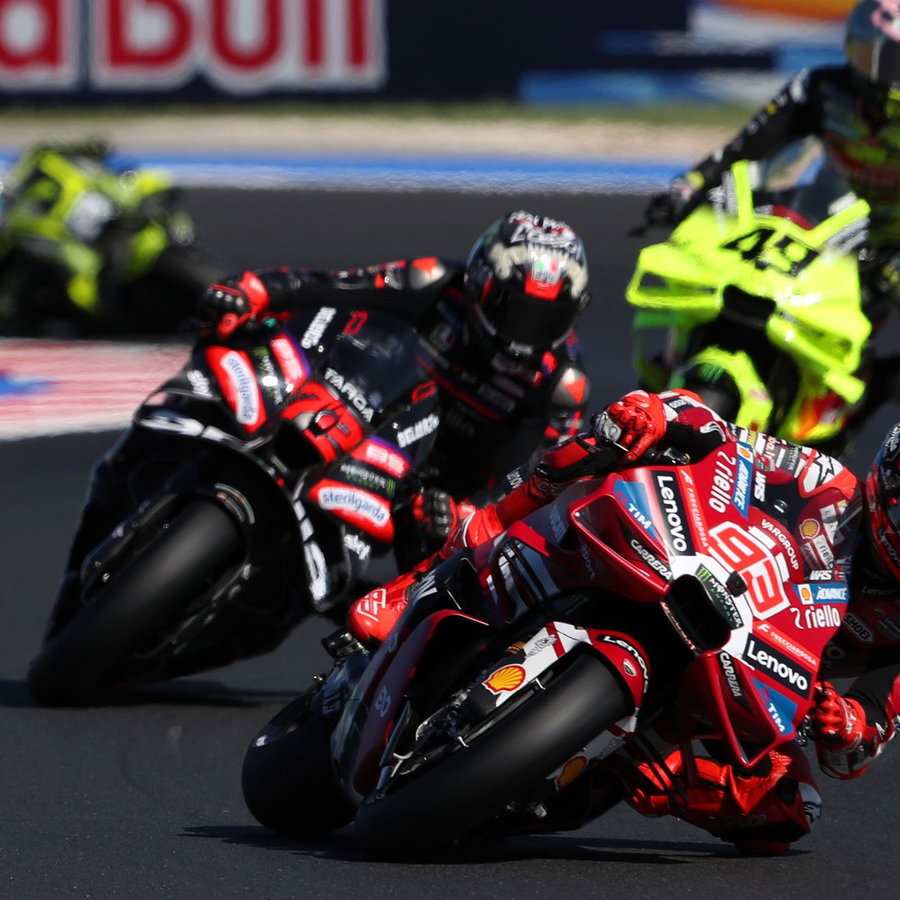
Marc Marquez reckons 2026 will see the “most difficult” MotoGP rider market of his career.

Seven-time MotoGP World Champion Marc Marquez thinks the 2026 MotoGP season will play host to the “most difficult” rider market he’s seen.
Marquez began preparing for his first MotoGP season in 2012, when he was in Moto2 but already confirmed as a replacement for the retiring Casey Stoner in 2013.
Since then, his contract negotiations were largely straightforward in the 2010s – winning titles at the rate the Marc Marquez-Repsol Honda partnership managed meant little needed fixing from the perspective of either party, whose faith in each other was almost absolute.
Honda’s decline in the early 2020s prompted Marquez to change to Gresini, getting out, in 2023, of the final year of a five-year HRC deal he signed in 2019. Then came the move to the factory Ducati team for 2025, which required a little pressure from Marquez to get Ducati to choose him over Jorge Martin.
Another dominant title win this year means Marquez is again in a position of strength in the market, despite the Spaniard now approaching his 33rd birthday.
It’s an important moment to have that strength, too, with 2027 bringing one of the biggest regulation changes of MotoGP’s history, certainly one of the biggest since 2002, with ride height devices banned, aerodynamic wings reduced in size, and engines reduced in capacity from 1,000cc to 850cc.
Marquez has been through regulation changes before in MotoGP, particularly in 2016 when Magneti Marelli began supplying a control ECU at the same time Michelin replaced Bridgestone as the championship’s sole tyre supplier.
That particular regulation change saw most manufacturers keep the same factory line-up for 2016 as they had in 2015: Honda kept Marquez and Dani Pedrosa; Yamaha stuck with Valentino Rossi and Jorge Lorenzo; Ducati remained with Andrea Dovizioso and Andrea Iannone; and Suzuki kept Aleix Espargaro and Maverick Vinales. Only Aprilia, who joined in 2015 with Marco Melandri and Alvaro Bautista, changed riders; Melandri had left mid-2015, replaced by Stefan Bradl, who remained alongside Bautista for 2016.
This continuity was caused partly by the fact that most riders had two-year contracts that started in 2015 and concluded at the end of 2016. But this pattern, set in 2014, was implemented as manufacturers looked to reduce variables between 2015 and 2016, considering so much would be changing technically.
2027, in comparison to 2016, arrives at the end of the contract cycle for most riders, including for Marquez, whose Ducati Lenovo deal is up at the end of next season.
It means that both teams and riders can choose where they want to be, but with so much of the bike changing – and critically so much changing that is designed and built by the manufacturers both before and after the regulation change – it is almost impossible for riders to know where they should try to land for 2027.
“It will be an interesting 2026 season and not only on the championship, on the race track, but also outside the race track, in the paddock, between the tracks,” Marc Marquez told MotoGP.com.
“This will be the most difficult market, during all my career in MotoGP – we never changed the rules; we changed the tyres, but then it’s quite easy to predict which will be the bike or which project is for you.
“But no one can promise you which will be the best bike [in 2027], you need to follow your instincts.
“If I continue as a rider, it’s because I think I can win; if not, I will stop.
“Fight for the championship, this is the main, and this is the goal, must be the goal, and will be the pressure in my shoulders.”

Alex joined the Crash.net team in August of 2024 having covered consumer and racing motorcycle news at Visordown for two years.