Ezpeleta on MotoGP’s next phase: “The bigger growth is outside the track”
Carlos Ezpeleta explains why the sport’s future depends on marketing, storytelling and global expansion.

Speaking to the Financial Times, Dorna’s chief sporting officer Carlos Ezpeleta has spelt out the future ‘global’ direction of MotoGP following last year’s €4.3bn takeover by F1 owner Liberty Media
Here are some of the key points...
MotoGP is too Eurocentric
Carlos Ezpeleta: “We are aware and conscious that for example our race count is pretty Europe heavy right now, nearly two-thirds, and we do see that becoming more global in the future.”
14 of the current 22 races are in Europe.
83% of media rights revenue came from Europe in 2024. Asia, although growing, generated just 9%, but is much closer to Europe in terms of income from race fees, at 23%.
Growth in the US is now the ‘main priority’. The Americas contributed just 4 per cent of media rights revenue in 2024, and 7 per cent of race fees.
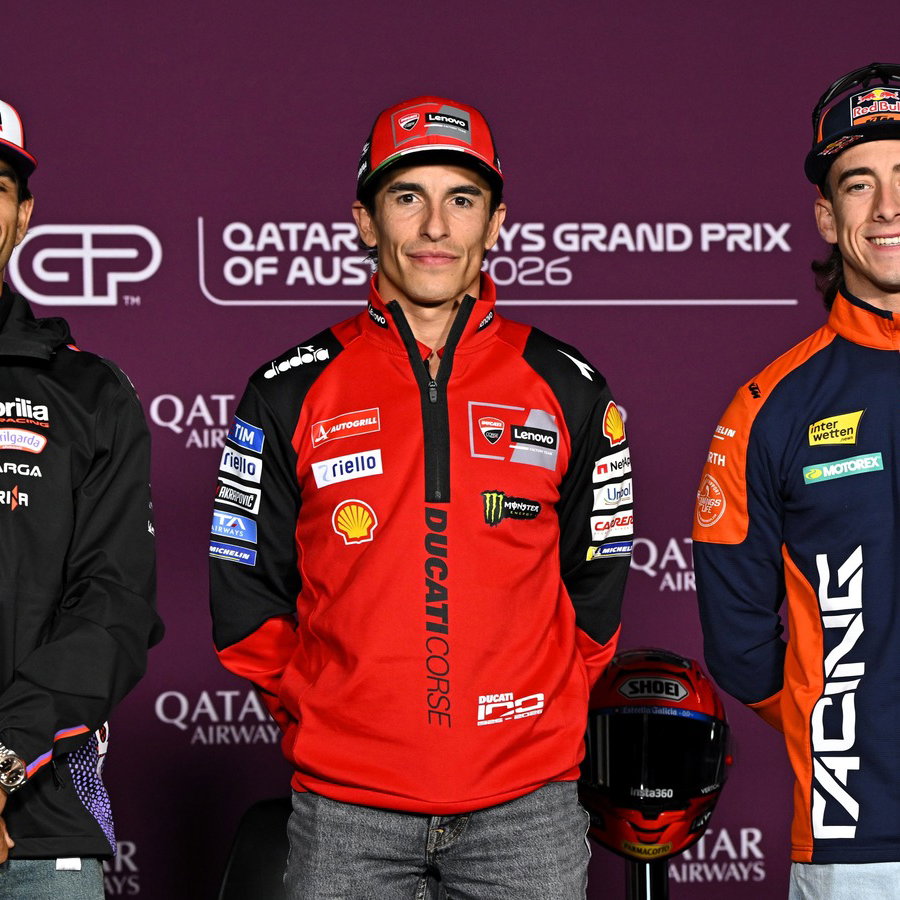
"Superhero" riders
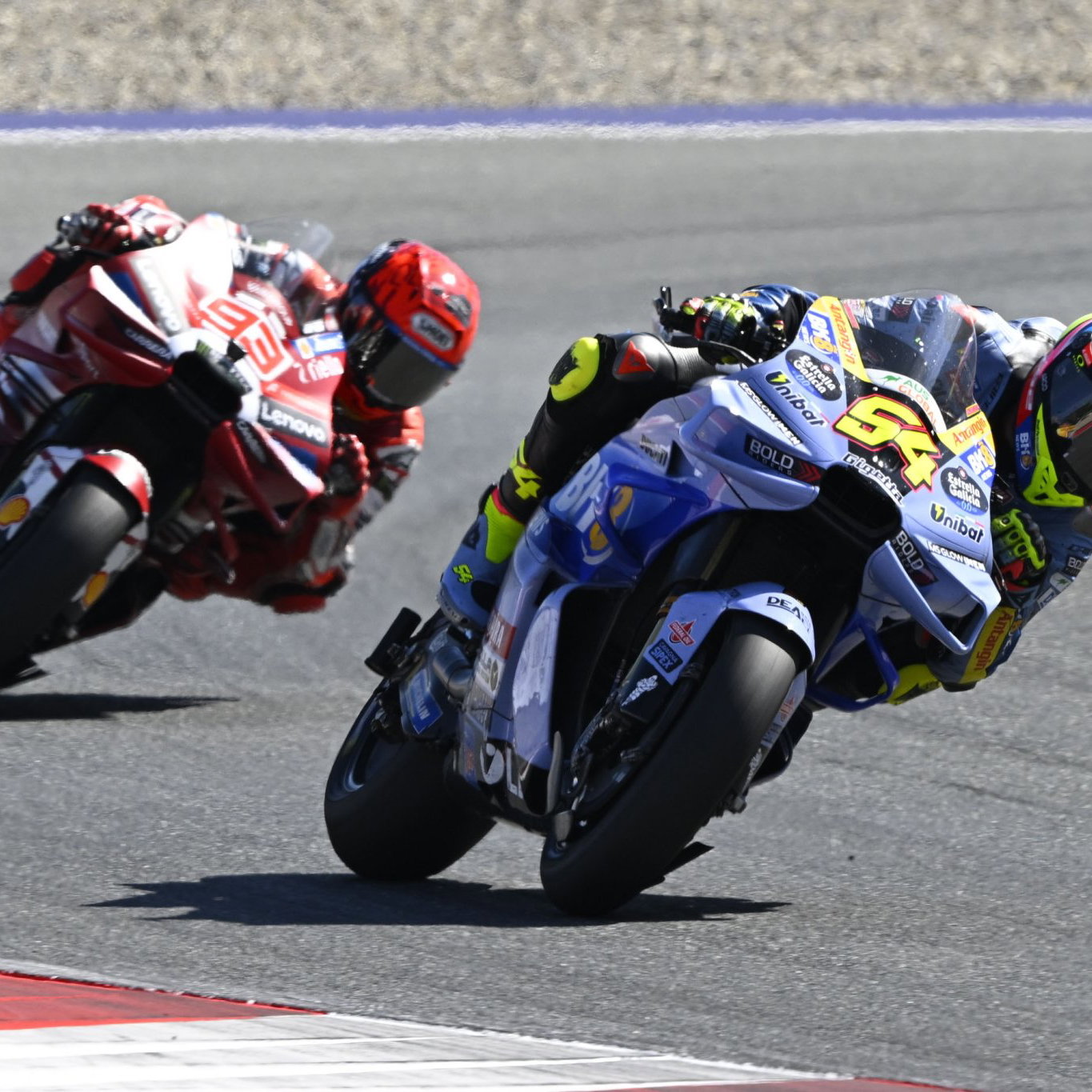
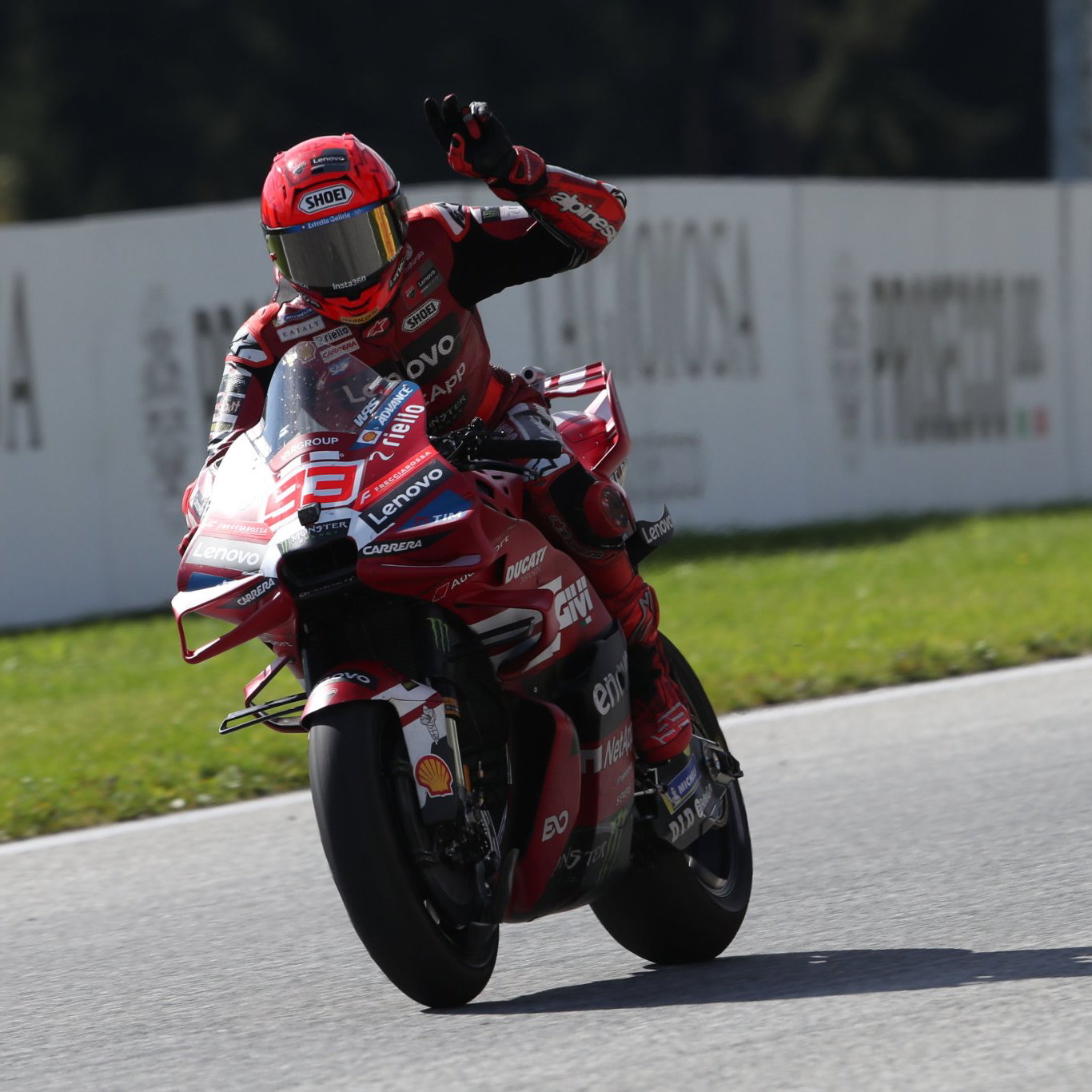
MotoGP believes its riders are "superheroes" but under-marketed.
Ezpeleta: “Our riders are more gladiatorial than any other athletes, and I think it’s about telling the story about how superheroes come in all shapes and forms… People have to get to know them outside the bike, with their helmets off.”
Ezpeleta admits MotoGP has not exploited short-form video and behind-the-scenes content as well as rival sports.
‘Non-endemic’ sponsors a priority
MotoGP wants to reduce its reliance on traditional motorsport sponsors (‘endemic’).
Around three-quarters of MotoGP sponsorship currently comes from endemic categories. Future target sectors include ‘financial services, personal care products and tech’.
Ezpeleta told the FT MotoGP wants to take the brand into, “Places where people don’t expect us to be,” from fashion and music to airports and supermarkets.
2027 team contracts will not follow F1’s revenue-sharing model
MotoGP is currently negotiating team agreements for the next five-year contract cycle, starting in 2027.
While manufacturers are rumoured to be pushing for an F1-style system of revenue sharing, Ezpeleta told the FT that MotoGP’s fixed-fee model is unlikely to change.
He warned that performance-based payments could “aggravate problems” by prioritising on-track results over global growth.
However, rising team valuations are attracting investment funds, which may push for longer guarantees than the usual five years.
2027 rules are significant, but “bigger growth” off track
MotoGP will introduce range of new technical regulations in 2027, designed to lower top speeds and improve overtaking.
Ezpeleta said 2027 will bring “Safer bikes, more entertaining, more overtaking.
"But the bigger growth is going to come from the stuff that happens outside the track.”

Peter has been in the paddock for 20 years and has seen Valentino Rossi come and go. He is at the forefront of the Suzuki exit story and Marc Marquez’s injury issues.