Mercedes run unusual front wing design for 2026 on mule car in Abu Dhabi test
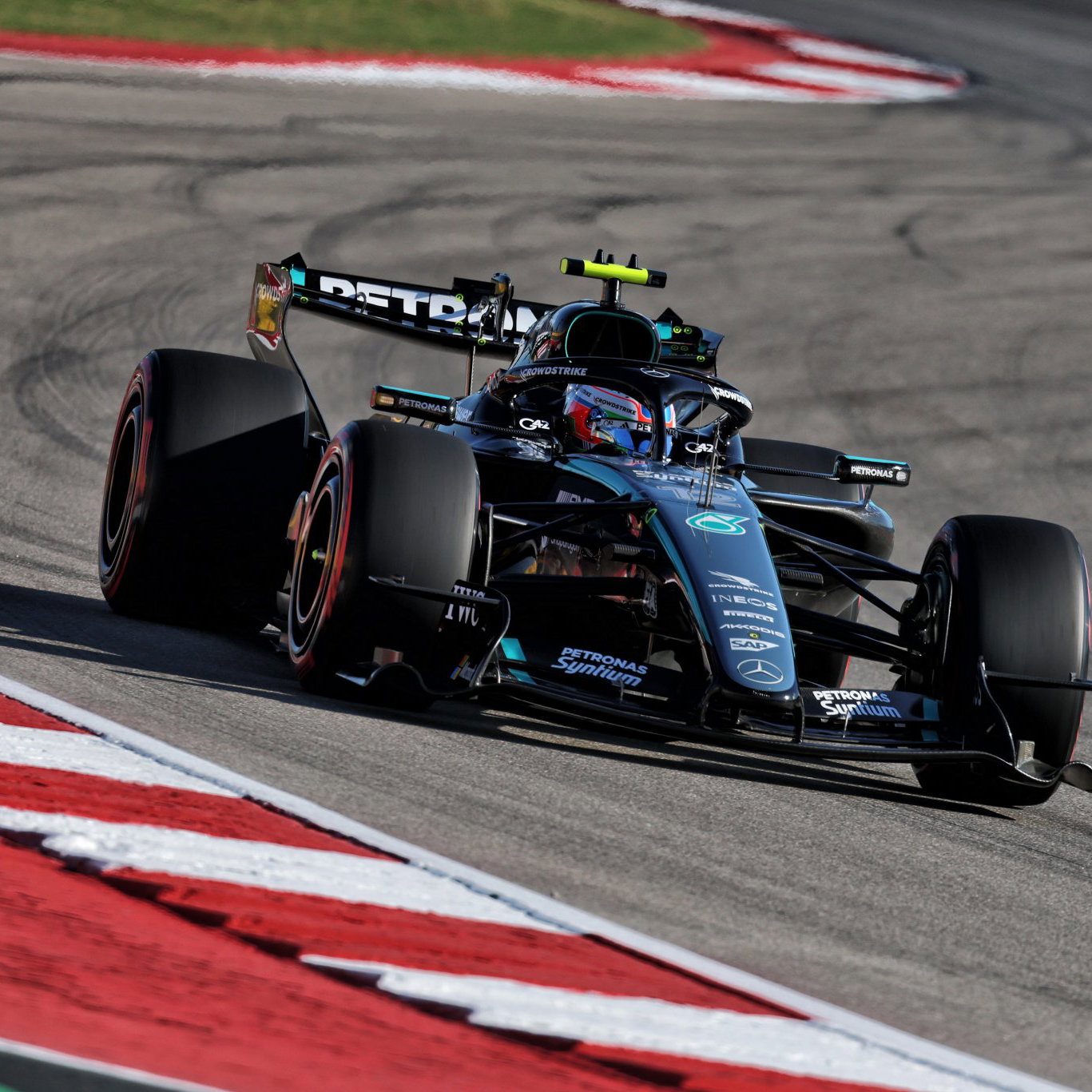
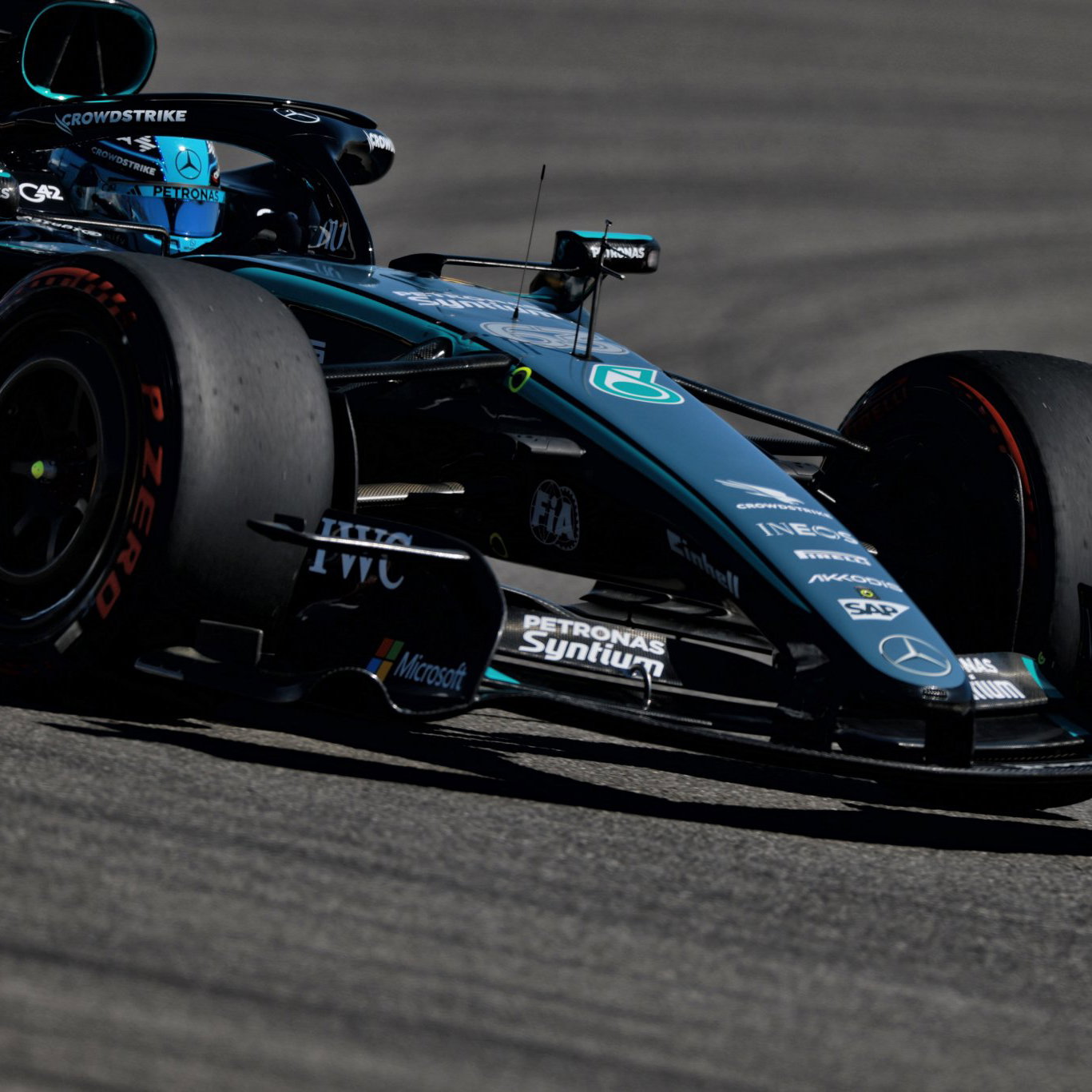
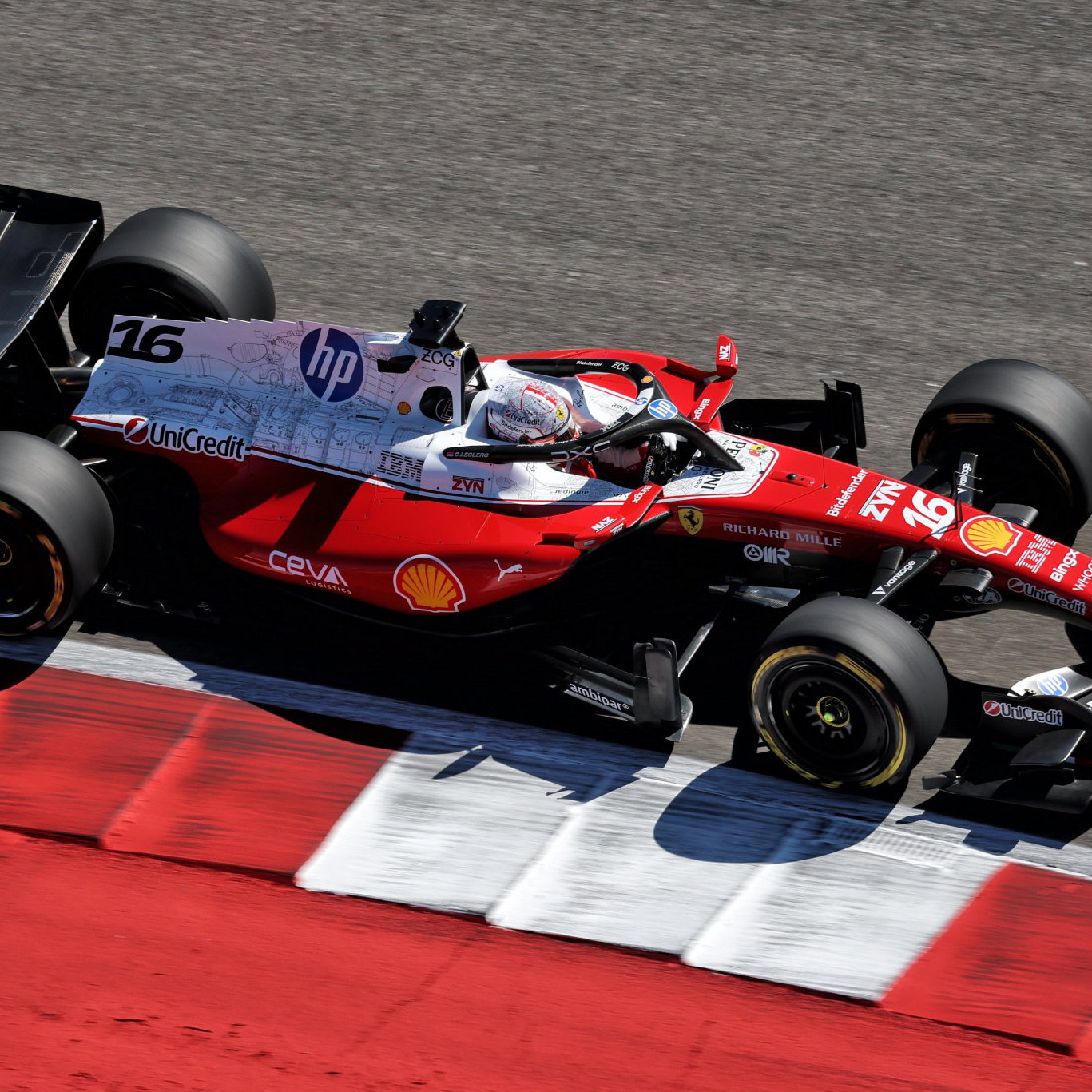
An unusual looking front wing design on Kimi Antonelli's Mercedes in the Abu Dhabi test

Mercedes are one of the first F1 teams to run a prototype front wing to simulate the new 2026 rules.
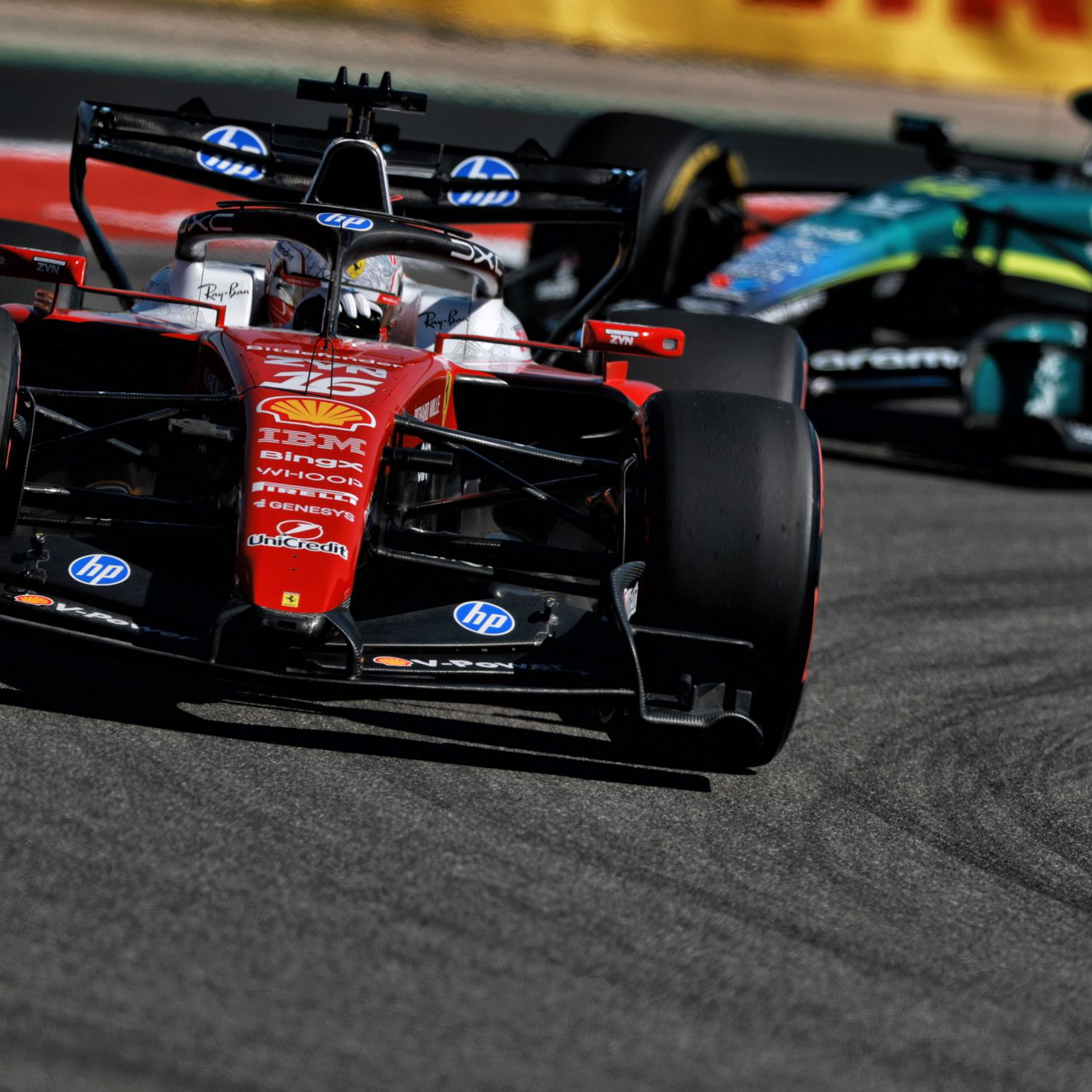
All 10 F1 teams are in action at the Yas Marina Circuit on Tuesday testing Pirelli’s 2026 tyres.
In order to give Pirelli more representative data, teams are running ‘mule’ cars.
These cars are the 2025 machines, modified to mimic 2026 downforce levels.
All teams are running lower downforce - comparable to what would be used at the Italian Grand Prix - alongside adjusted ride heights.
For this test, the FIA have allowed teams to run prototype front wings. This is because active aerodynamics will replace DRS in F1 from 2026.
DRS has been in F1 since 2011, giving drivers additional straight-line speed in qualifying and races as an overtaking tool.
Active aero will replace this, meaning the front and rear wings will be opened on every straight.

Kimi Antonelli's Mercedes caught the eye on the first morning of the Abu Dhabi test, with the Mercedes mule car equipped with an unusual-looking front wing.
The changes (as shown in the picture) ensure the front wing creates less drag on the straights, allowing it to switch to a lower-downforce configuration.
Naturally, this is just a concept to replicate 2026 downforce levels and give the driver, team and Pirelli a better understanding of how everything is working.
Teams are also running newly designed rims, similar to those planned for 2026.
With mule cars having a speed limit restriction of around 300km/h, the prototype used by Mercedes allows them to exceed that.
Pirelli’s Mario Isola explained the importance of the system deployed by Mercedes.
“Talking about the front Straight Line Mode, the FIA gave the opportunity to the teams to develop a system that was replicating this on the front wing. In that case, obviously, they don’t have to comply with the speed limit restriction,” Isola explained.
“It’s also useful for us because you can compare a car that is running without the system with a car that is running with the system. When we did the first test with Ferrari with the system, it was really useful to understand and to compare this test with all the other tests, in terms of load and what we achieved, to understand and to make the other tests more representative.”