Garrett Gerloff gives initial verdict on updated WorldSBK Kawasaki
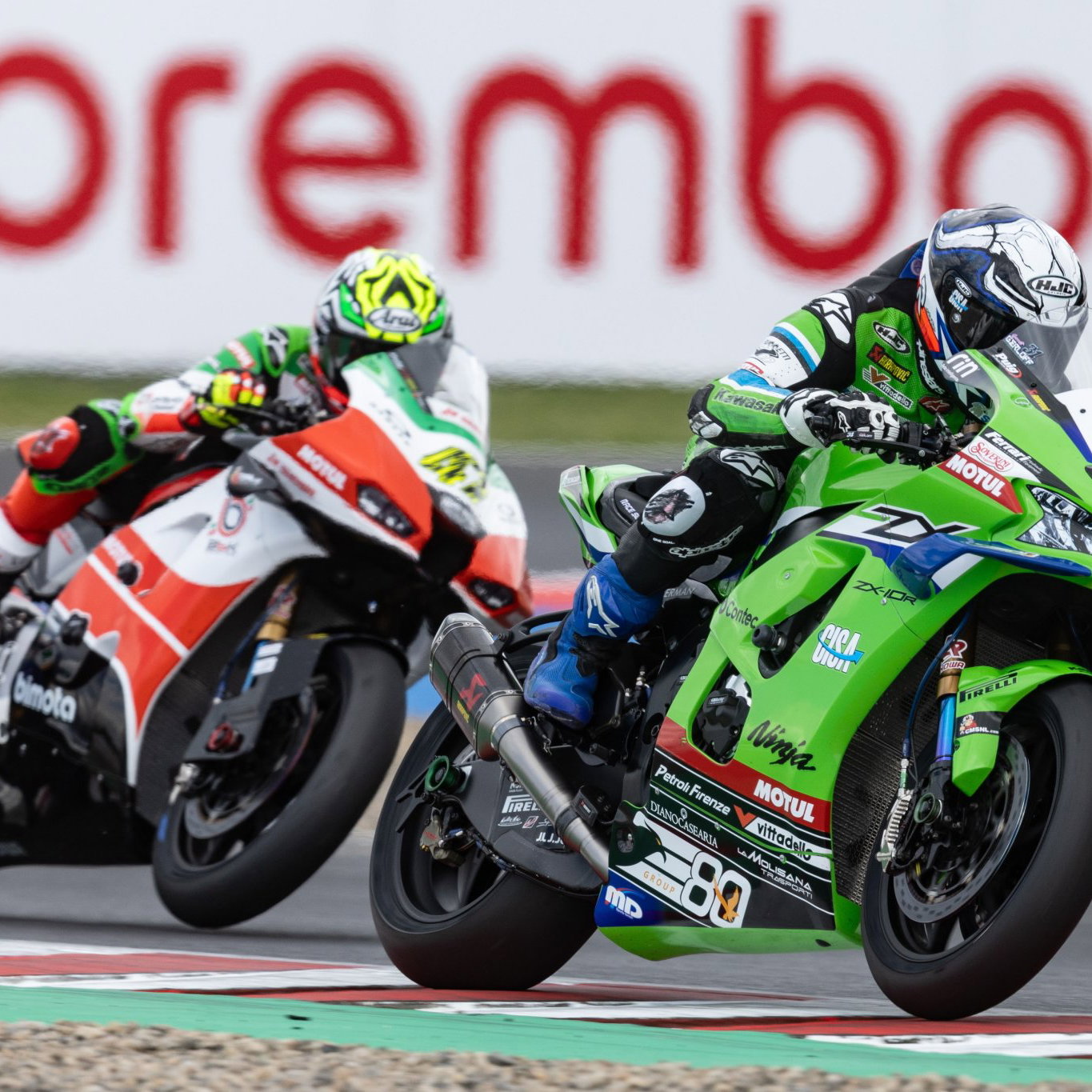
Garrett Gerloff breaks down the changes on the updated 2026 Kawasaki WorldSBK bike.

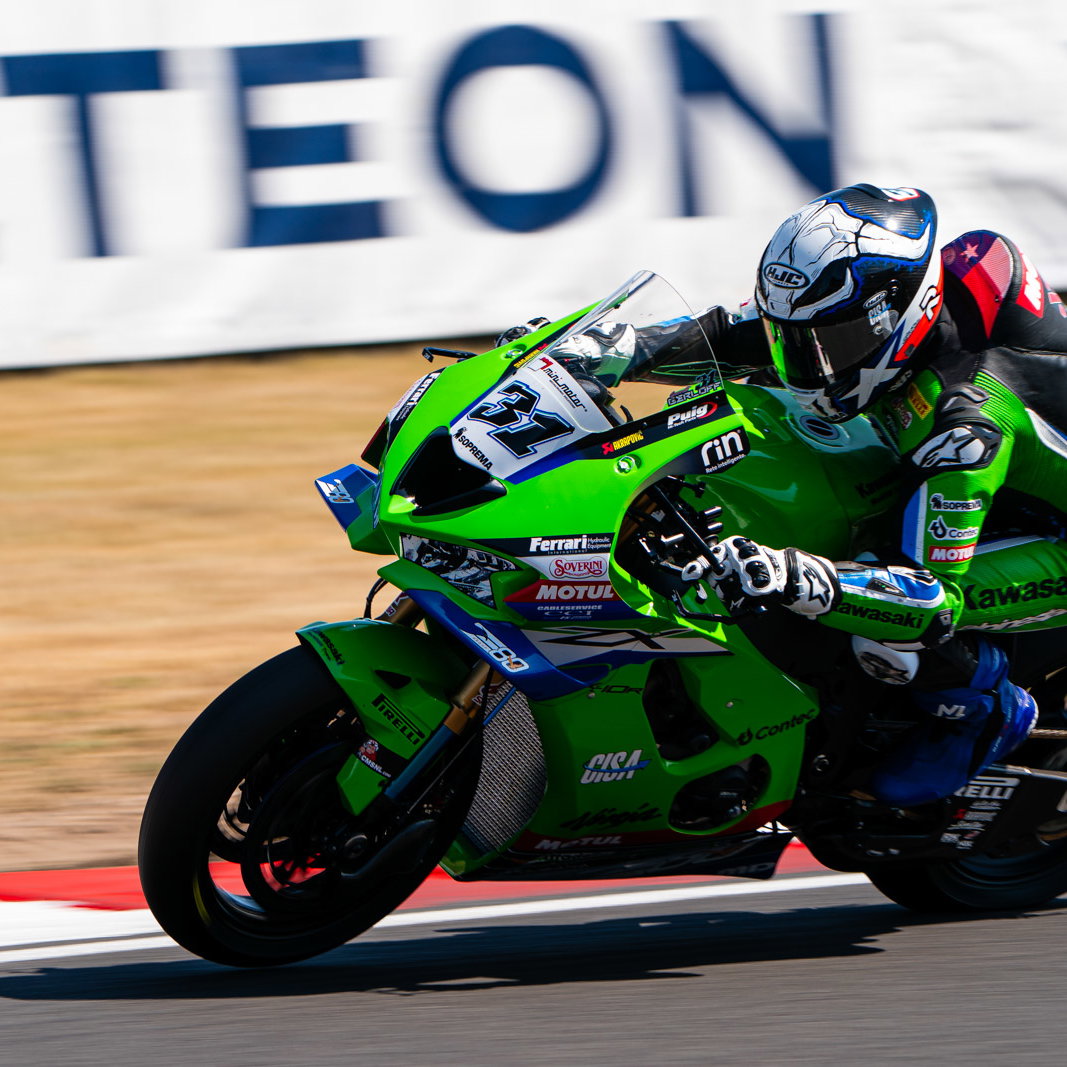
Kawasaki’s sole WorldSBK rider, Garrett Gerloff, has given his initial verdict on the updates for the 2026 ZX-10RR.
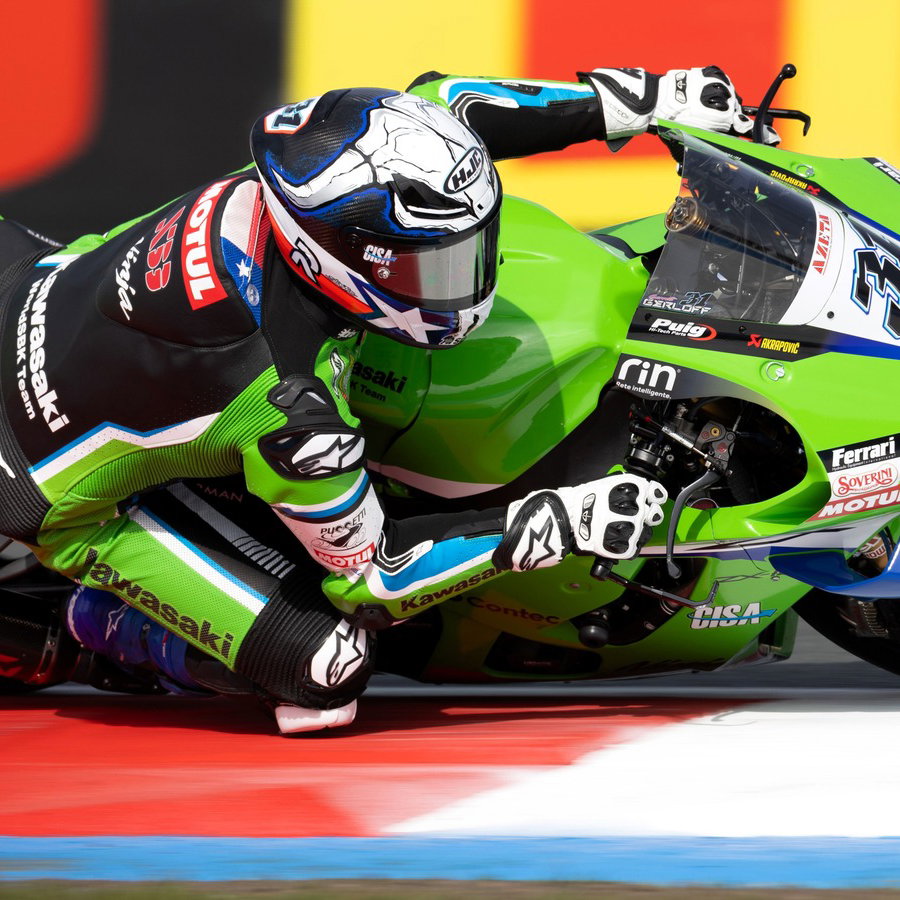
Of the changes made to this year’s Kawasaki, the most obvious is the fairing, which now features winglets around the top of the front fairing in a similar place to the winglets on the Honda CBR1000RR-R, or the Yamaha R1.
Gerloff got his first chance to try the updated bike in production form during the launch photoshoot in Jerez last year, but his first time on the World Superbike machine was at the same Andalusian circuit earlier this month (21–22 January).
However, rain on both days meant that running was limited and the American was unable to get much information on the new bike.
“I’ve been waiting for two months to get out here and ride this new bike and I’ve been really looking forward to it, and of course the weather has been just horrible the whole time – frustrating for myself and the whole team,” Garrett Gerloff told WorldSBK.com.
“In the end, we got 20 laps in the dry-ish – it was like half-wet, half-dry out there, a little sketchy, a lot of guys crashed in the water in turn five. Luckily we stayed up on two wheels and I got to kind of feel a bit of a difference from the aero package from last year to this year, so that was positive.
“But, in the end, it wasn’t enough laps to get a full feeling for everything and we still need more time.”
Gerloff was at least able to garner some idea of the changes in bike character caused by the aerodynamics, but with so little mileage he needs more time to verify his feelings.
“I felt like I was able to turn better in the faster corners and I had the front a bit more planted on the ground, and so that’s what we were all hoping for,” he said.
“So, that’s good, but we need to know what it’s like in hotter conditions when the track’s got less grip, because obviously if the track’s got more grip now than it did last year because of the temperature being less I’m going to have better turning anyway.
“So, it’s trying to cancel out those variables and make sure we’re actually making progress forward. So far I think that’s the case.”

Alex joined the Crash.net team in August of 2024 having covered consumer and racing motorcycle news at Visordown for two years.