10 huge questions heading into F1’s biggest rule change ever
With excitement building ahead of F1's new dawn, we've tackled some big questions heading into the 2026 season.

A new year is almost upon us and with it F1 will enter a new dawn.
The world championship is poised for the biggest-ever rule change, with major new chassis and power unit regulations threatening to shake-up the competitive order, while F1 will welcome an 11th team on the grid.
On the eve of F1’s new era, we’ve tackled some big questions…
Can Norris defend his crown?
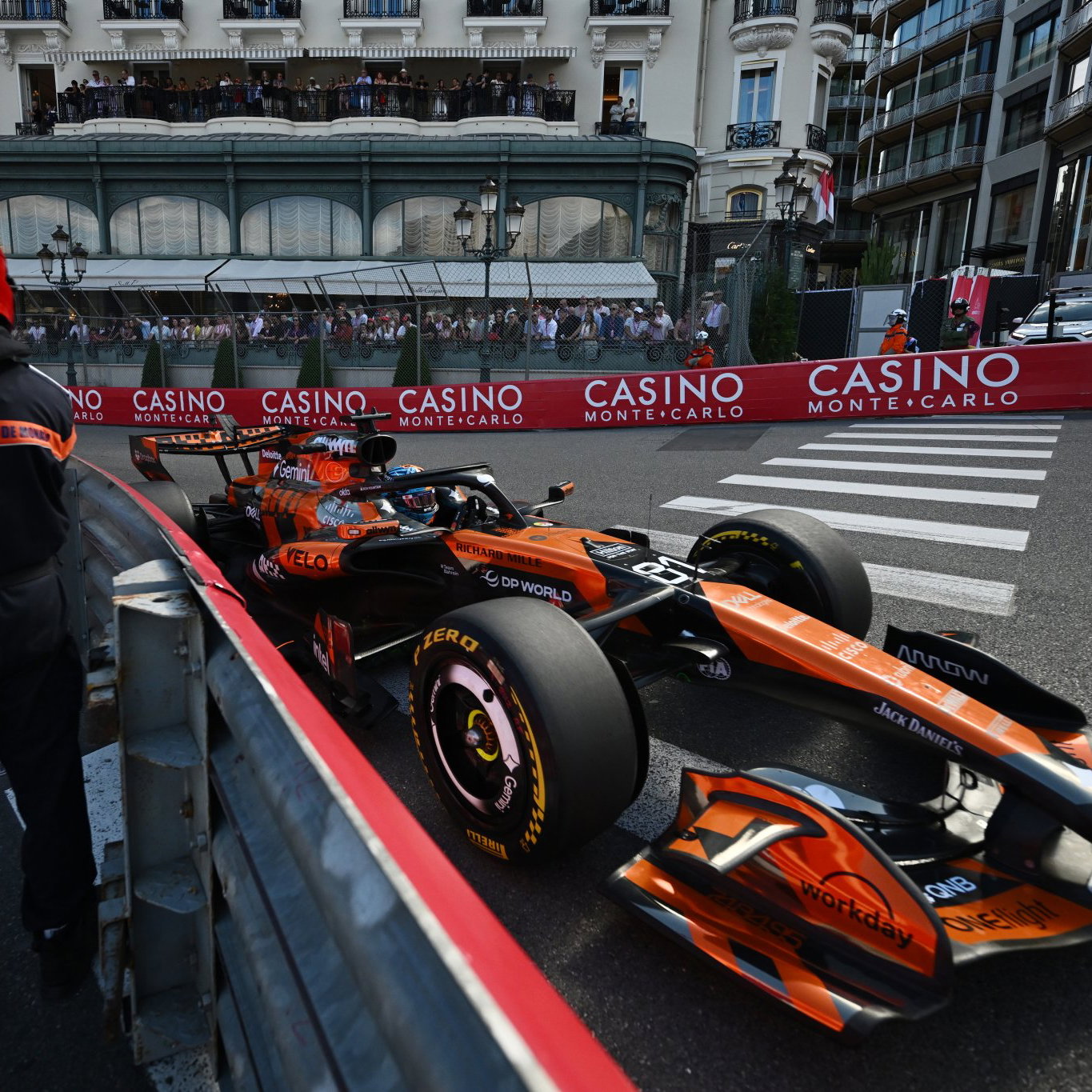
Lando Norris will head into the 2026 F1 season as the reigning world champion - a childhood-long dream finally fulfilled and the weight of expectations finally lifted.
Throughout Norris’ career, he’s been open about the mental demons that have affected him, particularly early on during his McLaren stint. Norris is more open than most, and that’s left him vulnerable to scrutiny.
It wouldn’t be unfair to say that Norris is easily flustered - or has buckled under pressure before, but in 2025, the reality is that when he had to deliver at the business end of the championship, he did. Yes, Oscar Piastri has a ‘cooler’ persona - but only one driver imploded in the title run-in.
Does this even matter in 2026? To some degree. Norris was forced to dig deep in the middle of this year and realised he had to make significant changes to capitalise on the great car McLaren gave him. For that, he deserves great respect.

Norris has shown he can bounce back from adversity and raise his game when he needs to. Did he have the best car? Yes. Is he a ‘car merchant’? Far from it…
The self-doubts Norris might have had before his F1 title win should have evaporated now that he’s world champion. For that reason alone, it’s hard not to think the version of Norris we’ll see in 2026 will be a step up from the one we witnessed over the last nine months.
And it would be fair to argue that Norris’ title-winning year wasn’t even among his best three seasons in F1 - 2021, 2022 and 2024 were all more convincing, when crucially he was more comfortable behind the wheel of the McLaren.
Inevitably, it will come down to whether McLaren gives him the tools to do so. The MCL39 was the most technically advanced, dominant car on the 2025 grid so it’s hard not to see them in the mix again, especially if Mercedes deliver with their new engine.
Connor McDonagh
Will McLaren continue to use 'Papaya Rules'?
One of the biggest and most divisive talking points of 2025 proved to be McLaren’s use of ‘Papaya Rules’.
‘Papaya Rules’ are a code of conduct used to serve as guidelines for aggressive but fair racing that underlines McLaren’s values of teamwork.
The rules were initially introduced to prevent Norris and Piastri from crashing into one another. The term was first used by McLaren team principal Andrea Stella during the 2024 Italian Grand Prix after Norris and Piastri’s tense wheel-to-wheel battle on the opening lap.
They evolved in 2025 as part of McLaren’s bid to ensure fair and equal treatment between Norris and Piastri as they battled it out for the world championship.
McLaren’s insistence on keeping things equal between their drivers became increasingly more awkward as the title race hotted up, and was complicated by Max Verstappen’s emergence as a championship contender.
‘Papaya Rules’ were blamed for McLaren’s controversial driver swap at Monza, while some argued it was the reason the reigning world champions blundered their strategy at the Qatar Grand Prix and handed victory to their main rival Verstappen in the process.
While McLaren had their fair share of critics who accused them of obsessive micro-management, the approach ultimately avoided the need for direct team orders.
McLaren are expected to continue with their policy of full fairness and equality next season, and will point to the fact they successfully achieved their goal of winning both world championships with this approach.
Whether the healthy team harmony between Norris and Piastri can be maintained is another matter…
Lewis Larkam
Mercedes the early favourites?

The talk of the paddock regarding 2026 is Mercedes. Deja vu, perhaps, from the end of 2013, when they were tipped to start the new engine rules as the clear benchmark.
Mercedes delivered in 2014, producing an all-conquering power unit that even saw Williams propel themselves from backmarkers to regular podium contenders. Could the same happen in 2026?
Mercedes’ track record and experience make them the favourites and the obvious choice. Ferrari’s title drought stretches back to 2008 - and their recent campaign was arguably their worst this century, given the lofty pre-season expectations.
Red Bull are running their own engine for the first time, so it’s hard to see them as a challenger from the off, while Audi will need time to get up to speed as they become a works outfit in 2026.
The big uncertainty - and likely challenger - could be Honda. The Japanese manufacturer is joining forces with Aston Martin. Add Adrian Newey into the mix, and they could be one to watch.
The safe bet is Mercedes, and inevitably being a works team will give them benefits over McLaren, Williams and Alpine - their three customer teams - in terms of integration and initial understanding of the PU.
Mercedes are the logical choice - but nothing’s for certain, especially with the rules drastically changing across the board, not just on the engine side.
CMD
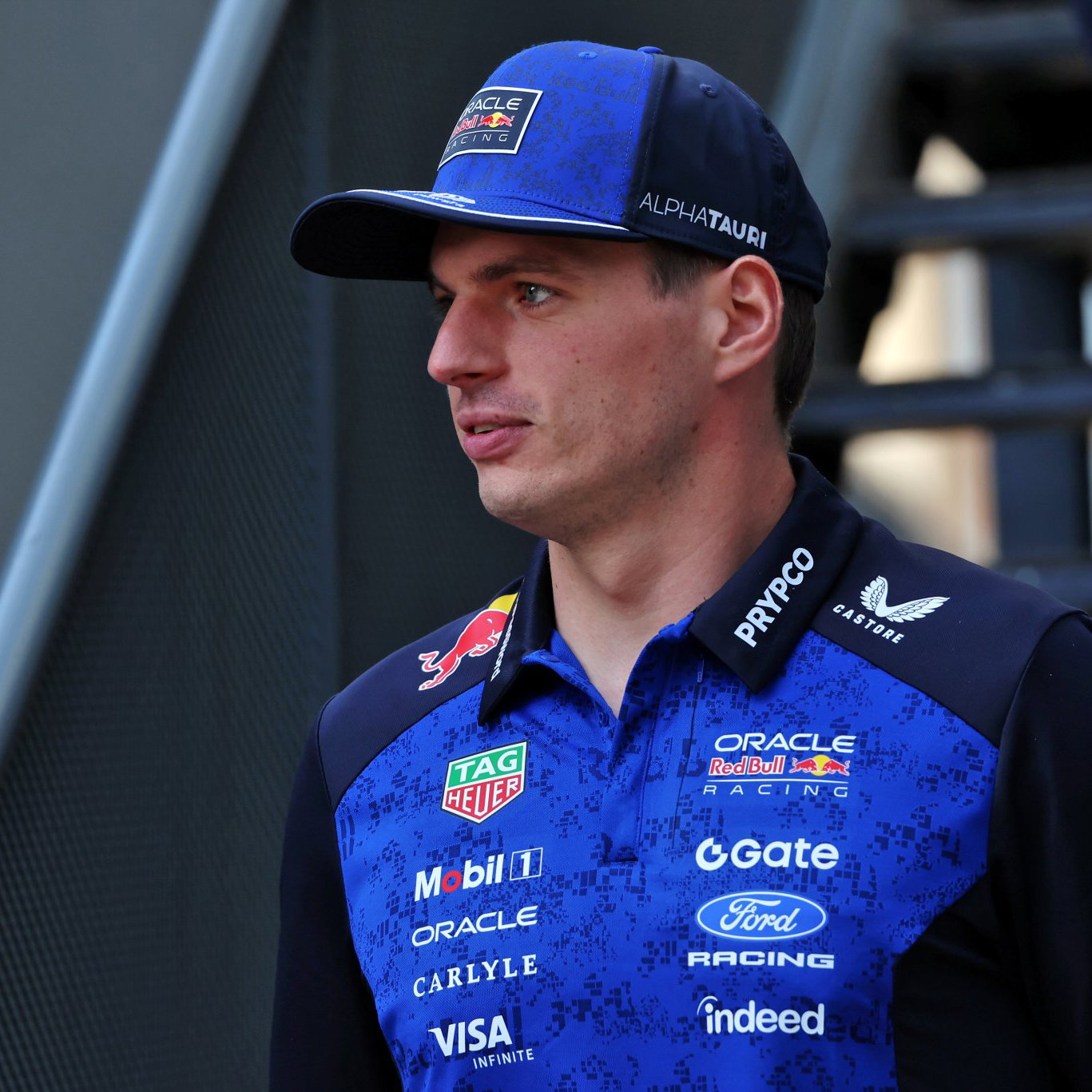
Will Max Verstappen stay or go?
The future of Verstappen is set to be a major talking that will likely dominate the upcoming months.
Verstappen put an end to months of speculation that he could join Mercedes in the summer by confirming that he would remain with Red Bull for at least the 2026 season.
The four-time world champion is contracted to Red Bull until the end of 2028 but his deal is understood to include several performance-related clauses that allow him to quit the team early in certain circumstances.
The Mercedes-Verstappen story is likely to become a topic again in 2026. Despite committing to George Russell and Kimi Antonelli for next season, Mercedes team principal Toto Wolff has refused to rule out signing Verstappen if the opportunity came about.
After all, who could blame him? Verstappen once again showed why he is the best driver on the F1 grid as he came agonisingly close to pulling off the greatest title comeback ever seen in 2025.
Verstappen will have no shortage of potential suitors, with Aston Martin also understood to be sniffing around the Dutchman.
But any decision to leave Red Bull would ultimately hinge on their competitiveness in 2026, which remains an unknown.
Verstappen would have his pick of teams should he make himself available, and whether he choses to stay or go, he will be a key domino in influencing what could be a pretty wild 2027 driver market.
LL

Can Hadjar break the Red Bull curse?
Isack Hadjar is the latest driver to be given the impossible task of going up against Verstappen in the same team.
Pierre Gasly, Alex Albon, Liam Lawson and Yuki Tsunoda have all failed despite showing promise during their times in F1.
Sergio Perez was given four seasons, but unlike the aforementioned quartet, had dominant, title-winning machinery. Plus, Perez’s experience naturally helped him survive at Red Bull, at least up until the first third of 2023.
Hadjar enjoyed an incredible rookie season, scoring his maiden F1 podium at the Dutch Grand Prix. He was a regular Q3 contender and enjoyed a decisive performance edge over Lawson.
Hadjar’s Racing Bulls stint has been convincing. Lawson was promoted to Red Bull at the start of 2025 despite not out-qualifying Tsunoda at all after stepping in for Daniel Ricciardo post-Singapore.
Tsunoda was dismantled by Gasly and didn’t wipe the floor with Ricciardo. Were Red Bull ever really convinced or expecting him to perform?
Hadjar has genuinely been impressive, and his Red Bull arrival coincides with a complete regulation sweep - meaning a complete reset in terms of car philosophy.
Can he break the Red Bull curse? Quite possibly. He certainly has a better chance than Lawson or Tsunoda ever did.
CMD
Where will Ferrari be?
Another huge question mark on everybody’s lips surrounds Ferrari’s competitiveness - or lack of it.
Ferrari endured a nightmare 2025 season as they slipped from second to fourth in the constructors’ championship and failed to win a race for the first time since 2021.
It proved to be a nightmare start for Lewis Hamilton at Ferrari as his dream blockbuster move quickly descended into a nightmare.
Ferrari will be hoping the all-new regulation changes for 2026 will offer a chance to return to the front of the grid and finally end their 18-year title drought.
2026 will be a make-or-break year for Ferrari and the future of both Charles Leclerc and Hamilton. More on that below…
LL
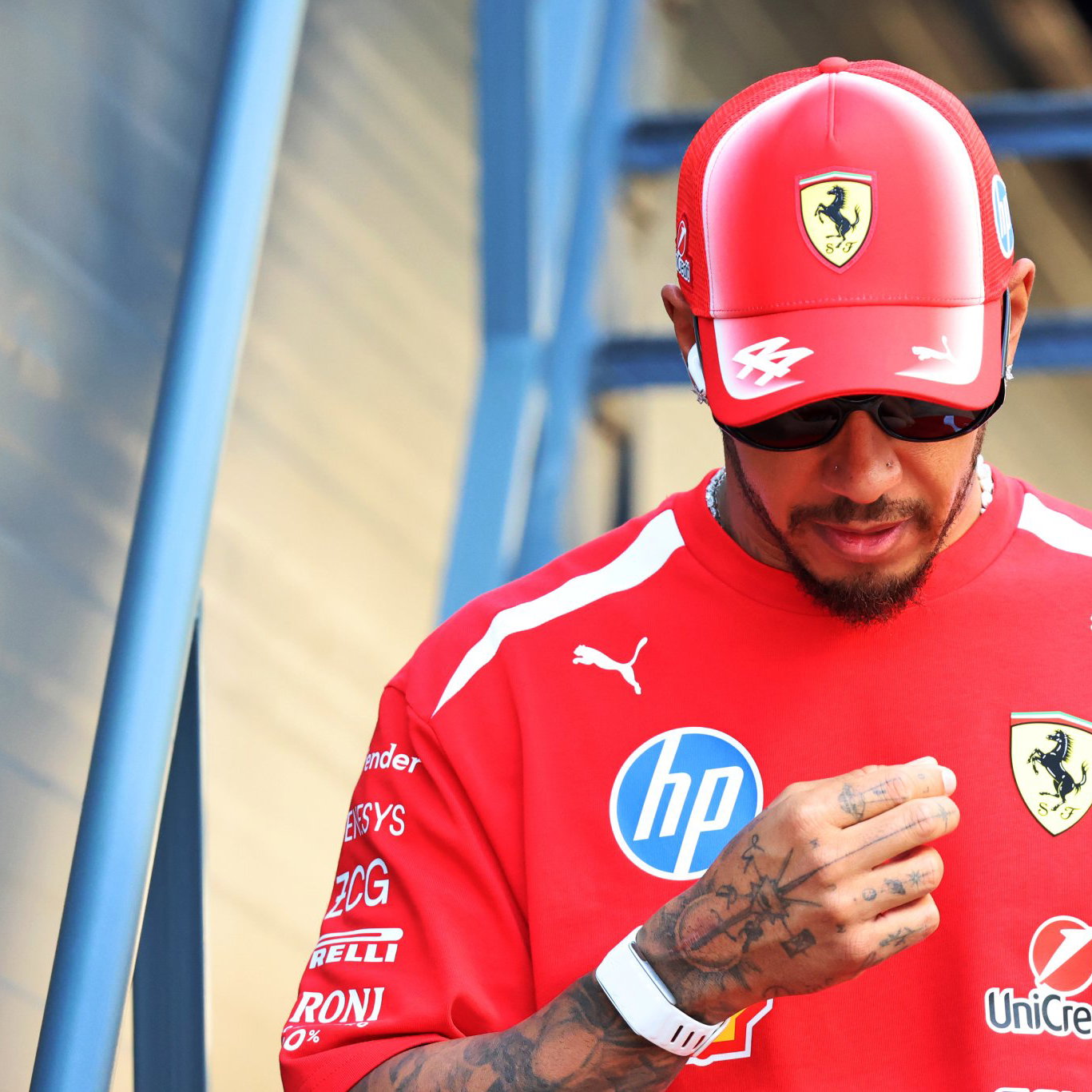
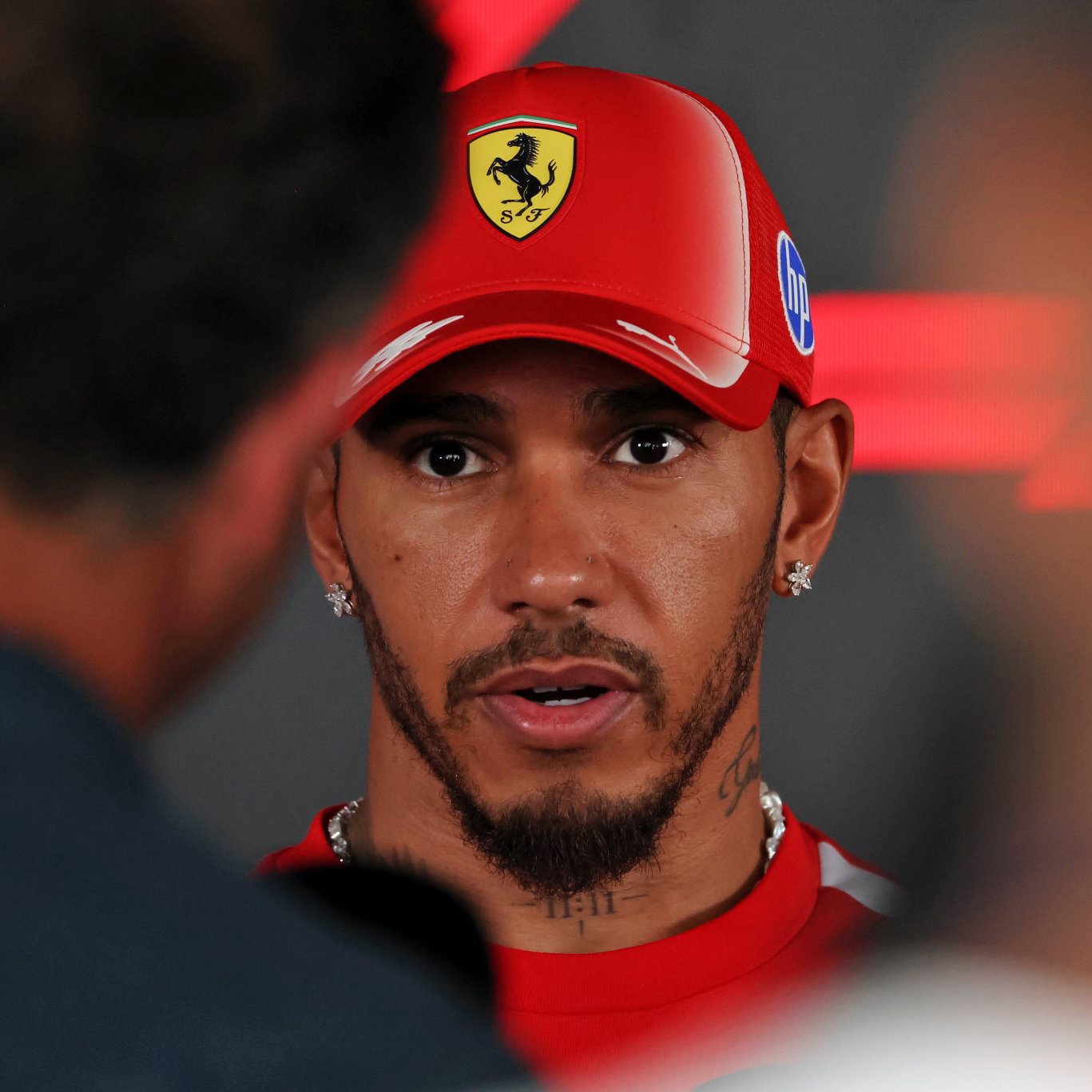
Could Lewis Hamilton retire?

Hamilton endured the worst season of his F1 career to date in 2025. The seven-time world champion failed to finish on the podium during the entire season.
While Hamilton did show glimpses of magic - winning the China sprint - and genuine progress at times, his overall performances were concerning. More worryingly, Hamilton’s messaging after tough weekends led to questions about his future in the sport.
Reputable Italian publication Autoracer.it have suggested that Ferrari have an option to extend Hamilton’s contract for 2027 - but that’s on the team’s side. It does suggest that if Hamilton has another difficult season in 2026, Ferrari could replace him.
What could work in Hamilton’s favour is that Leclerc’s future is also under scrutiny. Leclerc is growing increasingly frustrated with Ferrari’s inability to give him a title-contending car.
The same publication have reported at least three teams are interested in Leclerc’s services for 2027. Naturally, if Leclerc was to leave, Ferrari might want continuity by keeping Hamilton.
Ultimately, it will be down to Hamilton to up his game on track. His form over the past two seasons has been far from the level you’d expect from him.
There’s no doubt that the acclimatisation process at Ferrari has been tough, so another year at the team, in theory, should only benefit Hamilton.
Another factor could be the new cars for next year. The ‘ground effect’ era is now over, which could suit Hamilton’s driving style more. However, as seen with Ricciardo between 2021 and 2022, a new rule-set doesn’t guarantee rediscovering old form.
Ultimately, it’s in Hamilton’s hands.
CMD
Can Aston Martin become winners?
There is huge excitement surrounding Aston Martin’s project for 2026 and beyond.
The AMR26 will be the first Aston Martin created by F1 design legend Adrian Newey using the Silverstone-based squad’s impressive new facilities and will be powered by Honda as part of an exclusive power unit partnership.
Newey’s involvement in particular has led to suggestions that Aston Martin could be the team to beat in 2026, potentially opening the door for Fernando Alonso to claim a third world championship that has so far eluded him.
Aston Martin have bold ambitions to become F1 world championship challengers in the coming years, but acknowledge it would take something truly special to make such a jump next year. However, F1’s rules reset could provide that opportunity.
Fighting for podiums and the odd victory in 2026 would mark a major step forward for Aston Martin, who have had a difficult few seasons since making an incredible start to the 2023 campaign.
Expectations for 2026 will likely be tempered within the team, but there will be huge pressure to improve on their underwhelming seventh-placed finish in the 2025 constructors’ championship.
After all the build up, talk and huge investment, one thing is certain; there will be nowhere for Aston Martin next season.
LL

How will Cadillac get on?
F1 welcomes its first new team in a decade, with Cadillac joining the grid in 2026.
Unlike Haas, which joined the grid in 2016 with a technical partnership with Ferrari, Cadillac are starting from complete scratch and are relying on themselves to deliver in F1.
The scale of the challenge is unprecedented, but given Cadillac’s roots and history in motorsport, it should be a matter of time before they are competitive.
Their performance will ultimately depend on how competitive Ferrari’s 2026 engine is. As seen in 2014 with Mercedes, all of their customer teams had a significant advantage over the field.
One area where Cadillac haven’t fallen short is their drivers. Valtteri Bottas and Sergio Perez are seasoned veterans.
Quite simply, if the car is good, they will get the most out of it. While Bottas didn’t score a point in his final season at Sauber, his advantage over teammate Zhou Guanyu was close to 0.5s across the season, suggesting he was still performing at a high level.
Perez has only been vindicated since his Red Bull exit, given Lawson and Tsunoda’s struggles. In terms of scoring an opportunistic result out of nowhere, there aren’t many better than Perez in F1.
If Cadillac are competitive in the lower midfield and aren’t consistent backmarkers, then that would be success for them in their first year.
CMD
Will racing be better?

F1’s regulation overhaul makes the 2026 season one of the most eagerly-anticipated in years.
The new generation of cars will be smaller and lighter and feature new active aerodynamics in a bid to boost overtaking.
It is hoped the new design will allow for cars to follow each other more easily and ultimately deliver better racing action.
The drivers will have more power in their hands than ever before, and will face critical decision-making over energy deployment, regeneration and conservation.
This will add an intriguing new dynamic and it will be fascinating to see which drivers master the new rules best.
Improved wheel-to-wheel action is certainly F1’s aim but the proof will be in the pudding.
LL

Lewis regularly attends Grands Prix for Crash.net around the world. Often reporting on the action from the ground, Lewis tells the stories of the people who matter in the sport.