The unique reason Toprak Razgatlioglu isn’t using rear wings in MotoGP testing
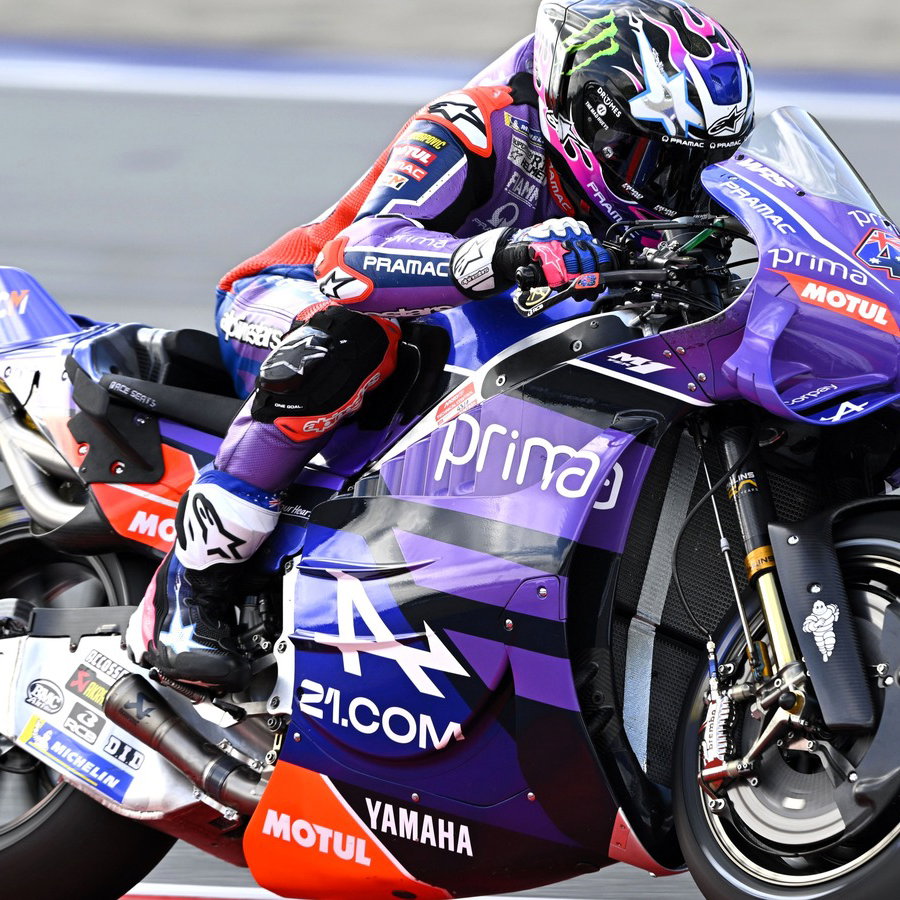
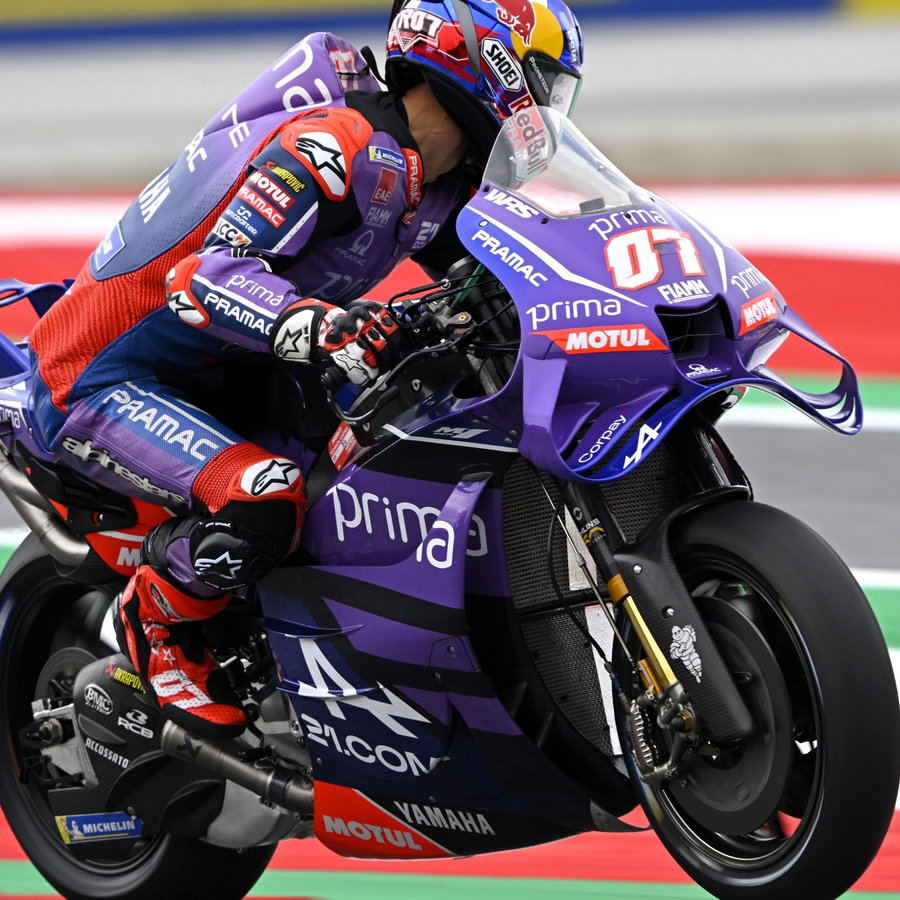
Toprak Razgatlioglu is running without rear wings on his Yamaha in Sepang MotoGP testing

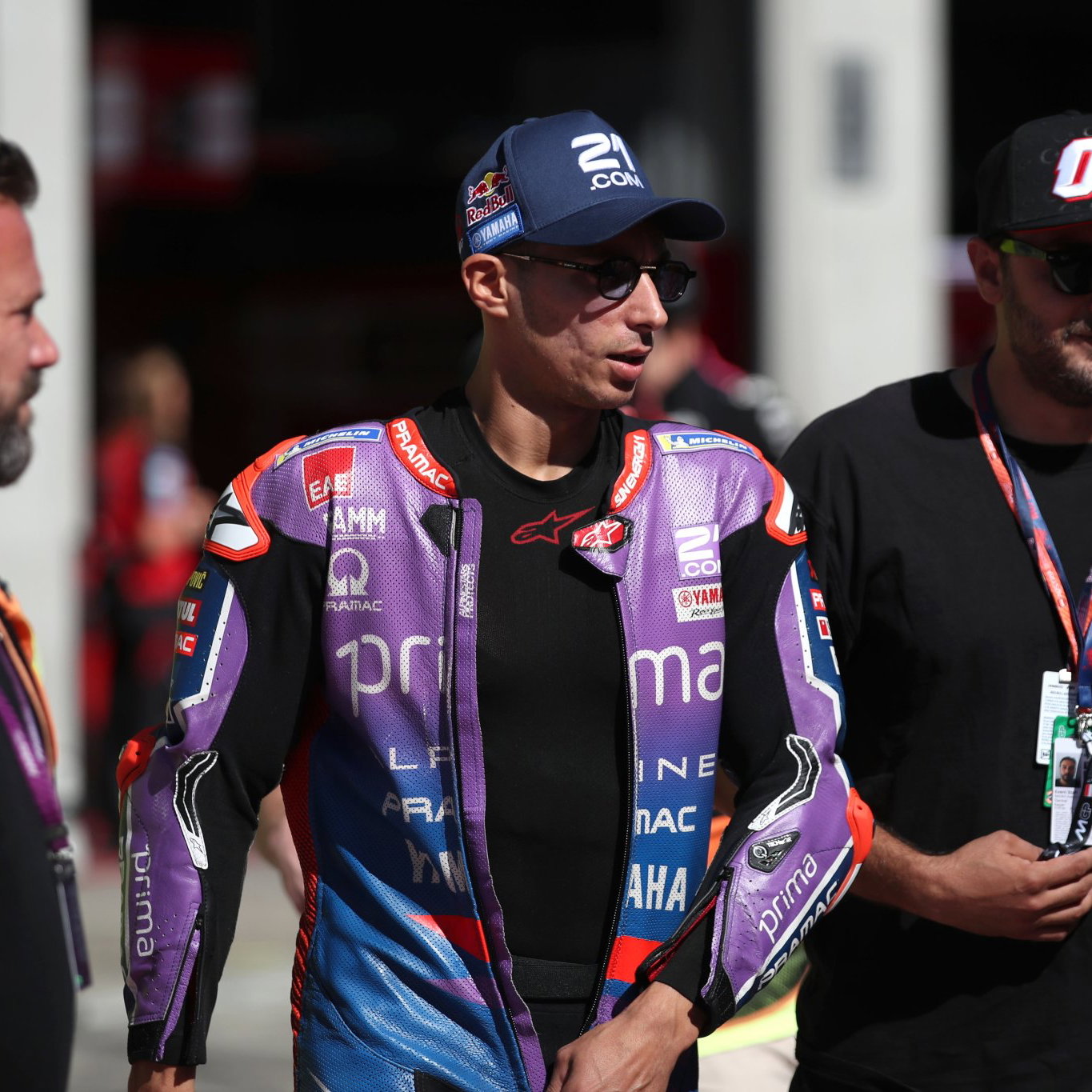
MotoGP rookie Toprak Razgatlioglu has grabbed attention on the opening day of the official Sepang test for riding without rear wings on his Yamaha M1.
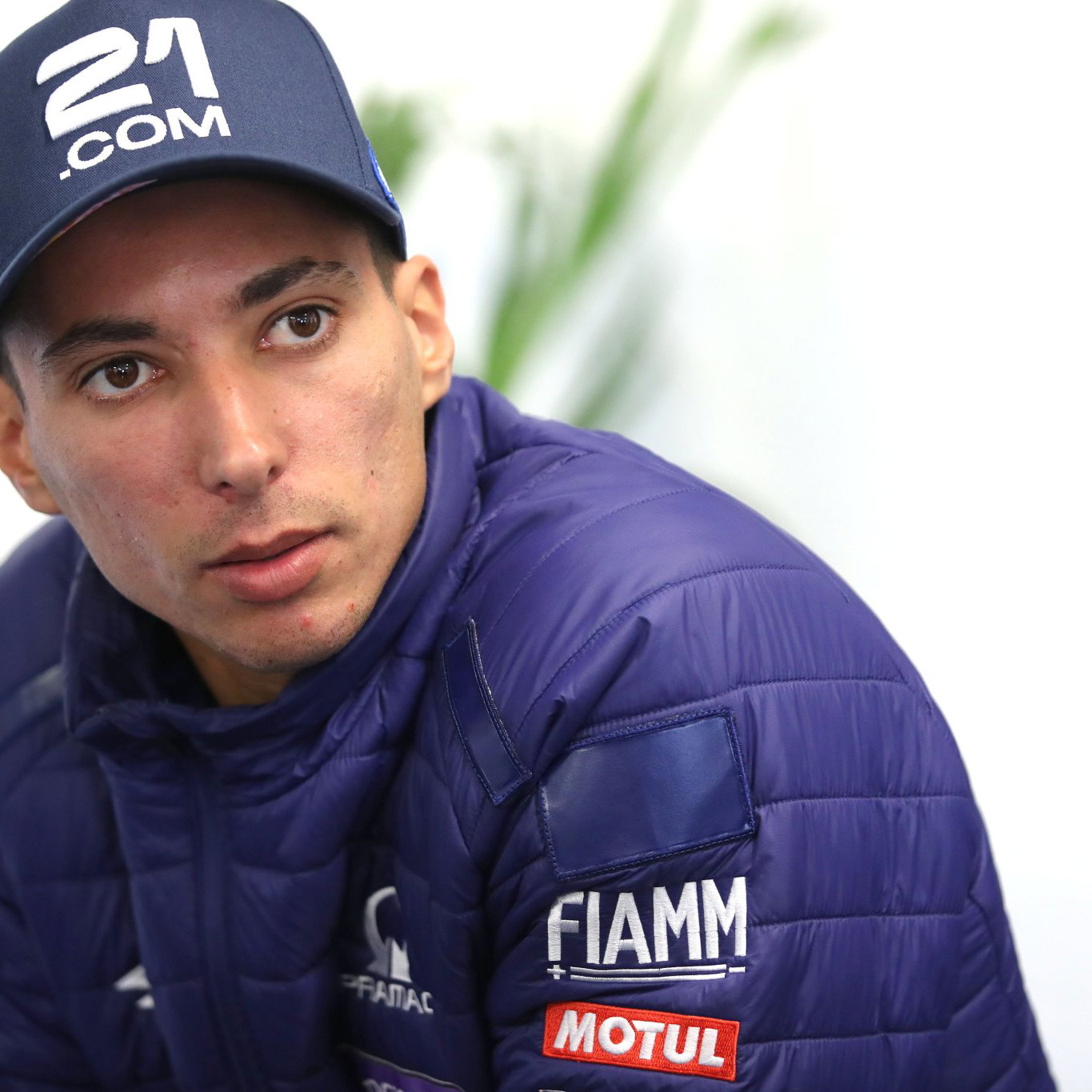
The three-time World Superbike champion is the headline rookie making their debut in MotoGP this season, after agreeing a multi-year deal with Pramac Yamaha.
Toprak Razgatlioglu made his testing debut on Yamaha’s new V4 late last year in a private outing before making his first public appearance in Valencia in November.
The Turkish rider has already been on track at Sepang prior to the official test, taking part in the shakedown last week.
On the opening day of the official test, Yamaha debuted an aggressive new aerodynamic package on its M1 as part of its development work.
While one of Razgatlioglu’s M1’s appeared to have the new front aero fairing on Tuesday, his package was notable for its lack of rear wings.

Razgatlioglu falls foul of height restrictions
The rear winglets were first introduced by Ducati, during the 2022 British Grand Prix, with the aim of providing more downforce onto the back tyre.
Since then, every manufacturer has copied and evolved the design to the extremes we see today, coming into the final year of the current regulations.
For now, however, Razgatlioglu will have to go without, otherwise he would contravene the height restriction rules.
At 185cm, Razgatlioglu is the tallest rider on the grid currently.
With the way Yamaha has had to set-up the bike to fit his tall frame, adding rear wings would take him outside of the allowed height parameters within the regulations.
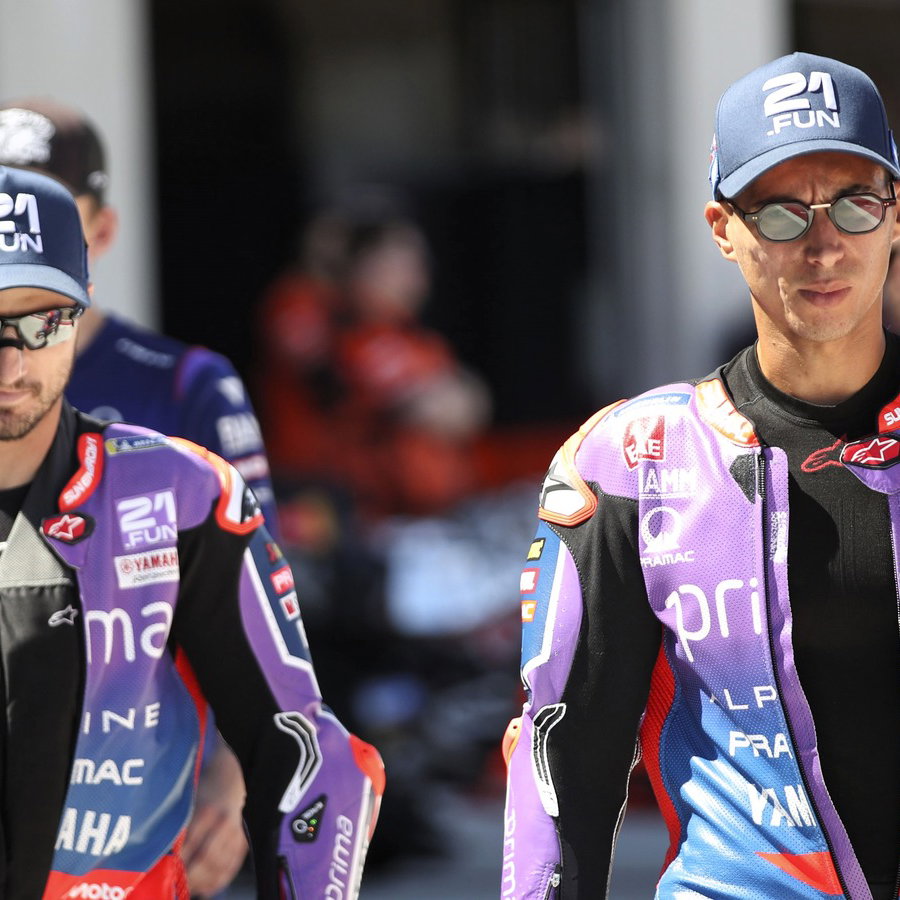
Check out the image of Alex Rins below to compare his ride height difference to that of Razgatlioglu (above)

Under the bodywork section of the FIM MotoGP rule book, Article 2.4.4.7, it states: “The seat unit shall have a maximum height of the (approximately) vertical section behind the rider’s seating position of 150 mm.
“The measurement will be taken at a 90° angle to the upper surface of the flat base at the rider’s seating position, excluding any seat pad or covering.
“A line drawn parallel to and 150 mm above the seat base as described, continuing to the extent of the rear of the seat unit, represents the maximum allowed height of the seat unit, including any protrusions or attachments (excluding onboard camera/antenna).”
Razgatlioglu did ride with wings last winter during his initial tests on the V4.
At that time, however, Yamaha was still working with Razgatlioglu to optimise his seating position, while no punishment would have been given for going outside of the height regulations in a test.
The next tallest rider on the grid is Luca Marini, at 184cm, who does run rear wings on his Honda. So, Yamaha may well find a solution to its current problem as the year goes on.