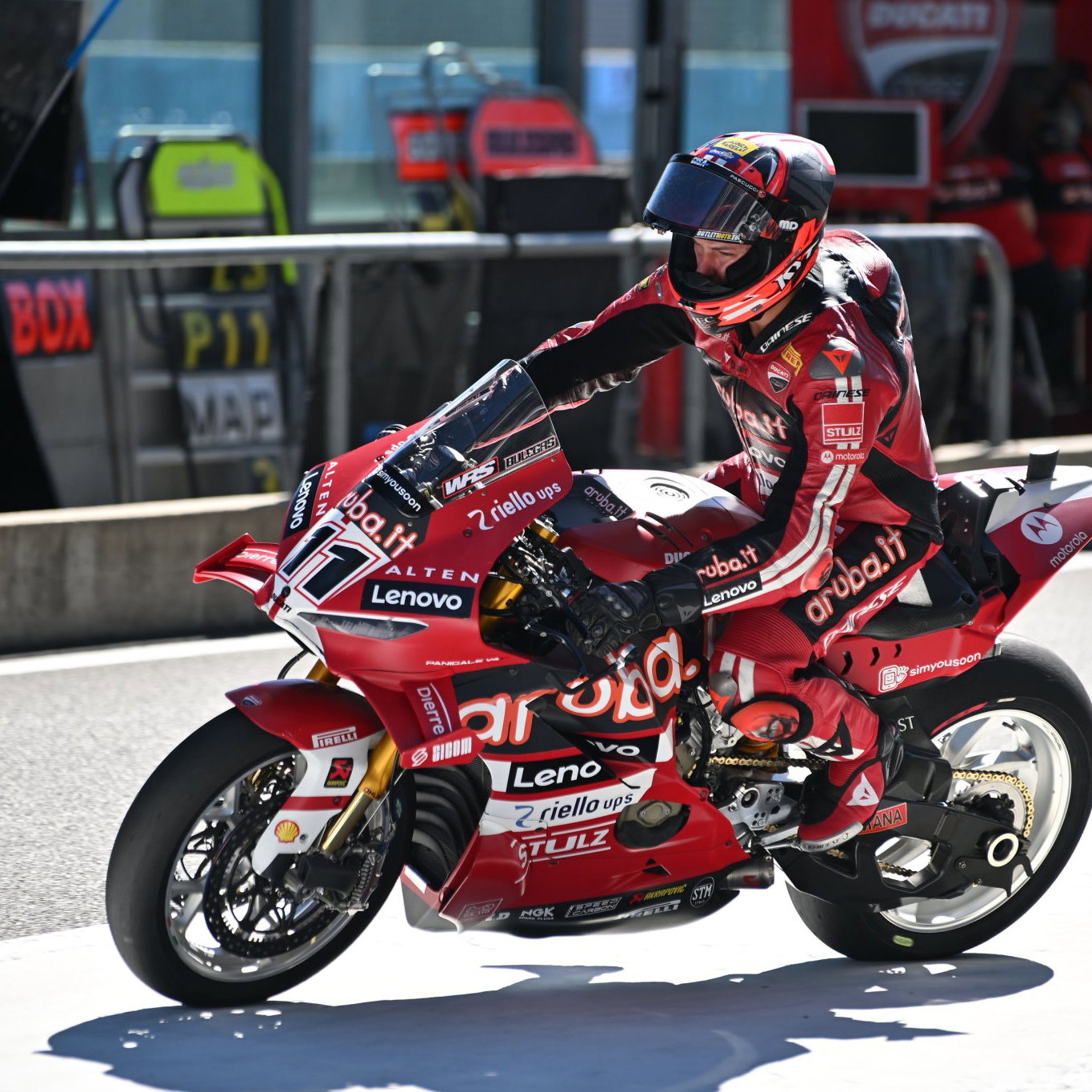
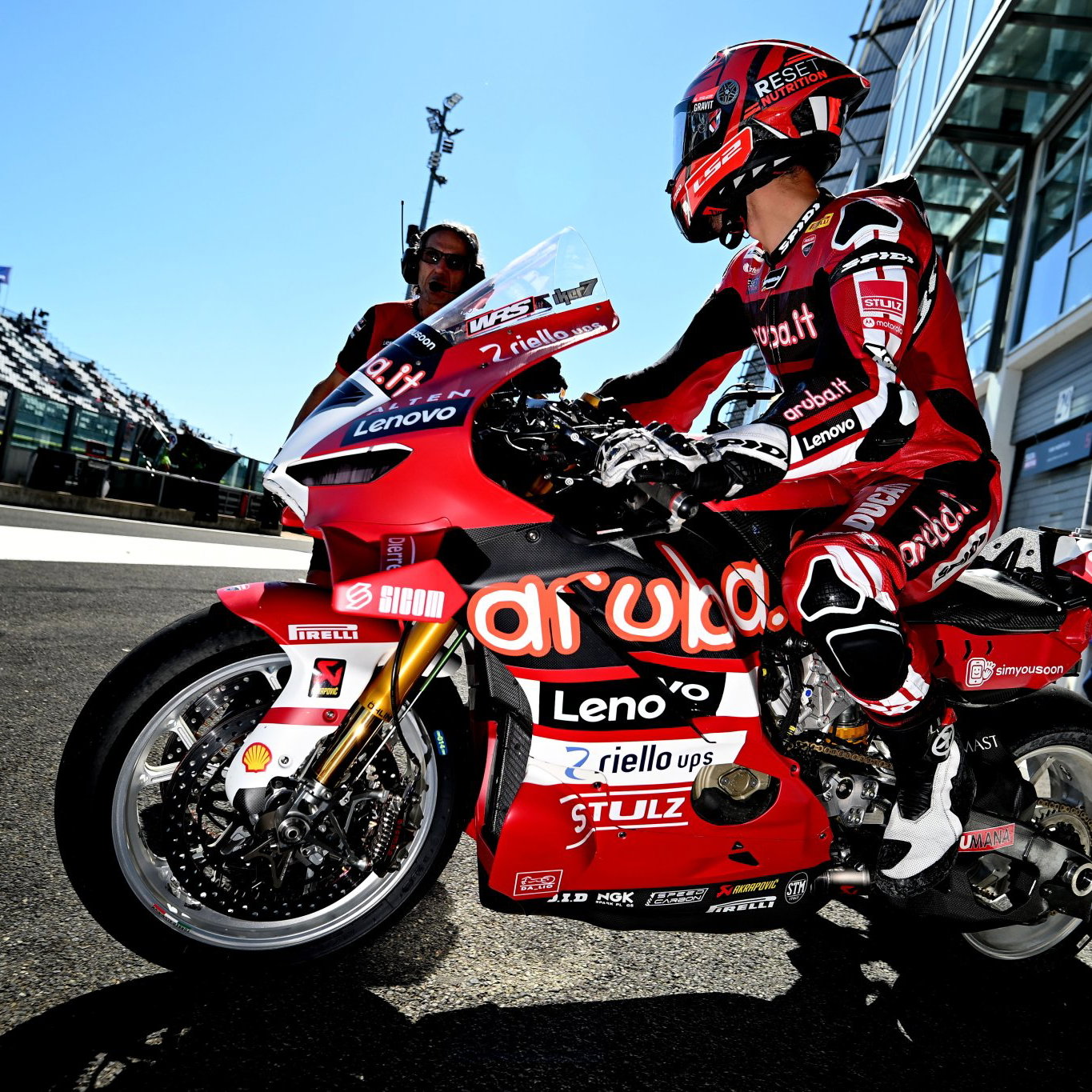
Ducati trying to find “right balance” of “completely revised” WorldSBK bike
Ducati WorldSBK technical boss Marco Zambenedetti explains the changes to the Panigale V4 R for 2026.

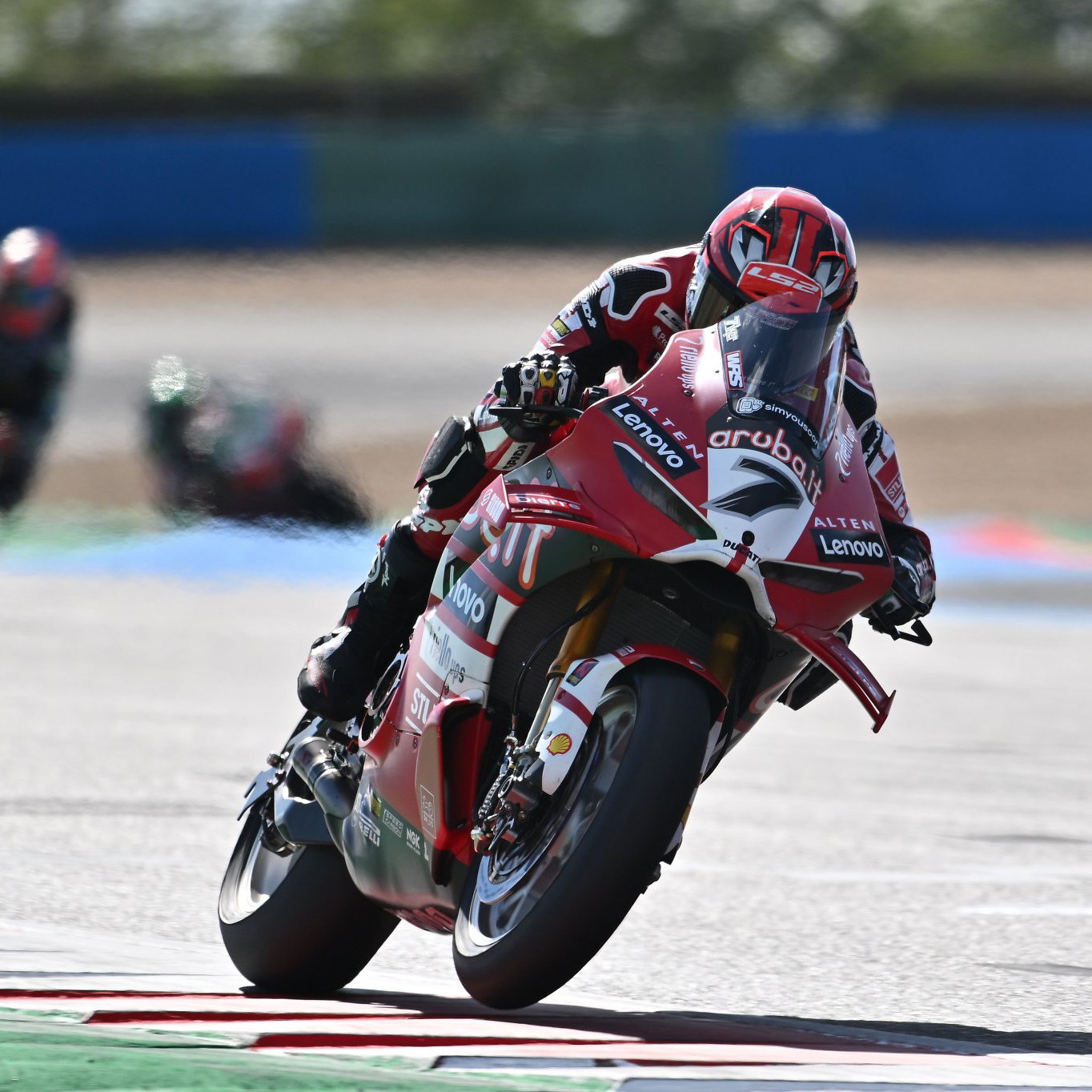
The 2026 WorldSBK season sees Ducati introduce a new generation of its Panigale V4 R, one which the brand is still trying to dial in.
The new bike features revisions to the chassis, swingarm, engine, and aerodynamics – all changes which are expected to address, to some extent, some of the stability issues that were present in some circumstances with the previous version of the Panigale V4 R that was taken to World Superbike title wins by Alvaro Bautista in 2022 and 2023.
However, as with any new bike there is a period of learning at the beginning of the project, and Ducati’s WorldSBK Technical Coordinator, Marco Zambenedetti, admits that Ducati is still trying to find the “right balance” with the updated bike ahead of the start of the 2026 season on 20–22 February at Phillip Island.
“In the 2026 season we have a new rider with the team and, most important, we have the seventh generation of the Panigale V4 R, Zambenedetti told WorldSBK.com.
“This is a completely revised bike in all areas and we expect to have a better performance overall and a better solidity. Of course, it’s a young project and we are still working to find the best compromise for the start of the season and, in general, the right balance of the bike.
“I think that for the first half of the season this is the most important job that must be done inside the box.”
Zambenedetti added that the bike is influenced not only by Ducati’s WorldSBK experience but also that it has in MotoGP, and explained that the updates should provide benefits to performance in all areas.
“For sure, we have as always put all our experience from MotoGP and from Superbike in the last years, especially in the chassis we have revised the stiffness in the front frame; a fully new concept for the rear swingarm, we have a double-sided swingarm; and a fully new aerodynamics,” he said.
“This means that we get a better performance in terms of rear grip, better turning thanks to the aerodynamics, and better feedback for the riders in terms of braking and entry phase, that is one of the most important to achieve the best performance of the bike.
“Of course, the project is new, we need to be very careful to keep all our information and expectations with respect to last year. We need to work together to find the best compromise and understand as soon as possible what are the strongest points and the weakest points on which we need to work, for sure.”
With so many fundamental changes to the bike design for 2026, a winter disrupted by rain in both European preseason tests has compromised Ducati’s plans for developing the new bike, and Zambenedetti expects that testing will continue throughout the first half of the season.
“This winter we didn’t have enough track time in dry conditions to understand and explore enough the possibilities of this new bike,” he said.
“Also, the riders need to get some kilometres and experience on this new bike.
“The general balance is different, but I’m confident that the overall performance will be good, for sure, in Phillip Island. Of course, Phillip Island is a friendly circuit for Ducati, and I hope this will be also for 2026.
“Regarding the 2026 season, I think the very first half of the season will be a testing and exploring time for our riders and our technicians with the new bike, and with Iker [Lecuona], but I’m very confident that we will be in the front of the grid in all of the races.”

Alex joined the Crash.net team in August of 2024 having covered consumer and racing motorcycle news at Visordown for two years.