Explained: FIA election going ahead despite legal challenge
The FIA presidential election will go ahead as planned, though legal action could see the result overturned in February.

Next week’s FIA presidential election is set to go ahead despite a legal challenge.
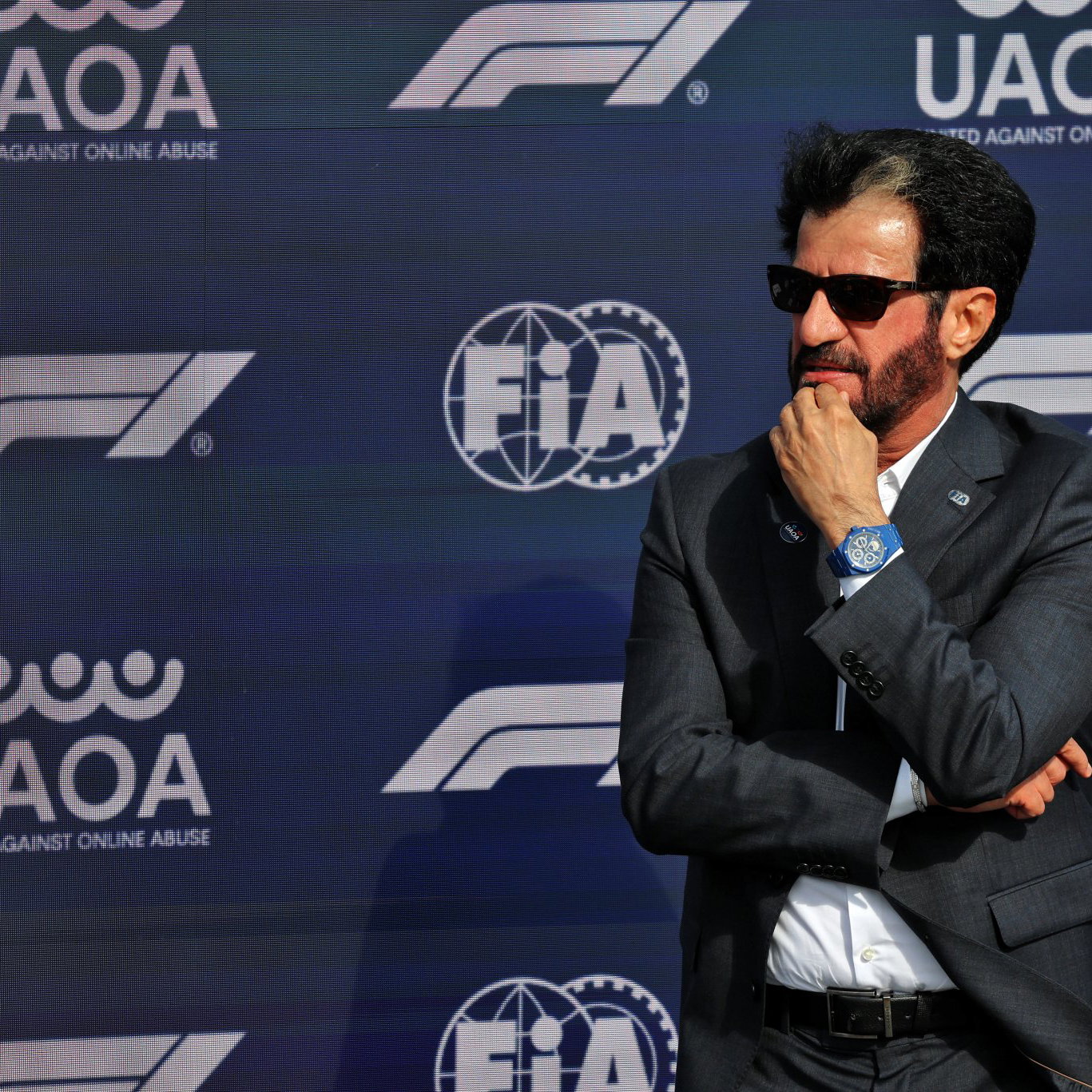
Incumbent Mohammed Ben Sulayem is to stand unopposed on December 12 as he seeks a second four-year term as FIA president because a quirk in the rules for motorsport’s governing body means no other candidate is able to run.
However, legal action could see the result overturned in February.
Swiss racing driver Laura Villars has been granted an emergency hearing in the Paris Judicial Court after suing the FIA in October over the rules.
Villars and two other prospective challengers, Tim Mayer and Virginie Philippot, were forced to withdraw their bids.
This was due to each candidate needing to put together a team of seven vice-presidents from the FIA’s six global regions.
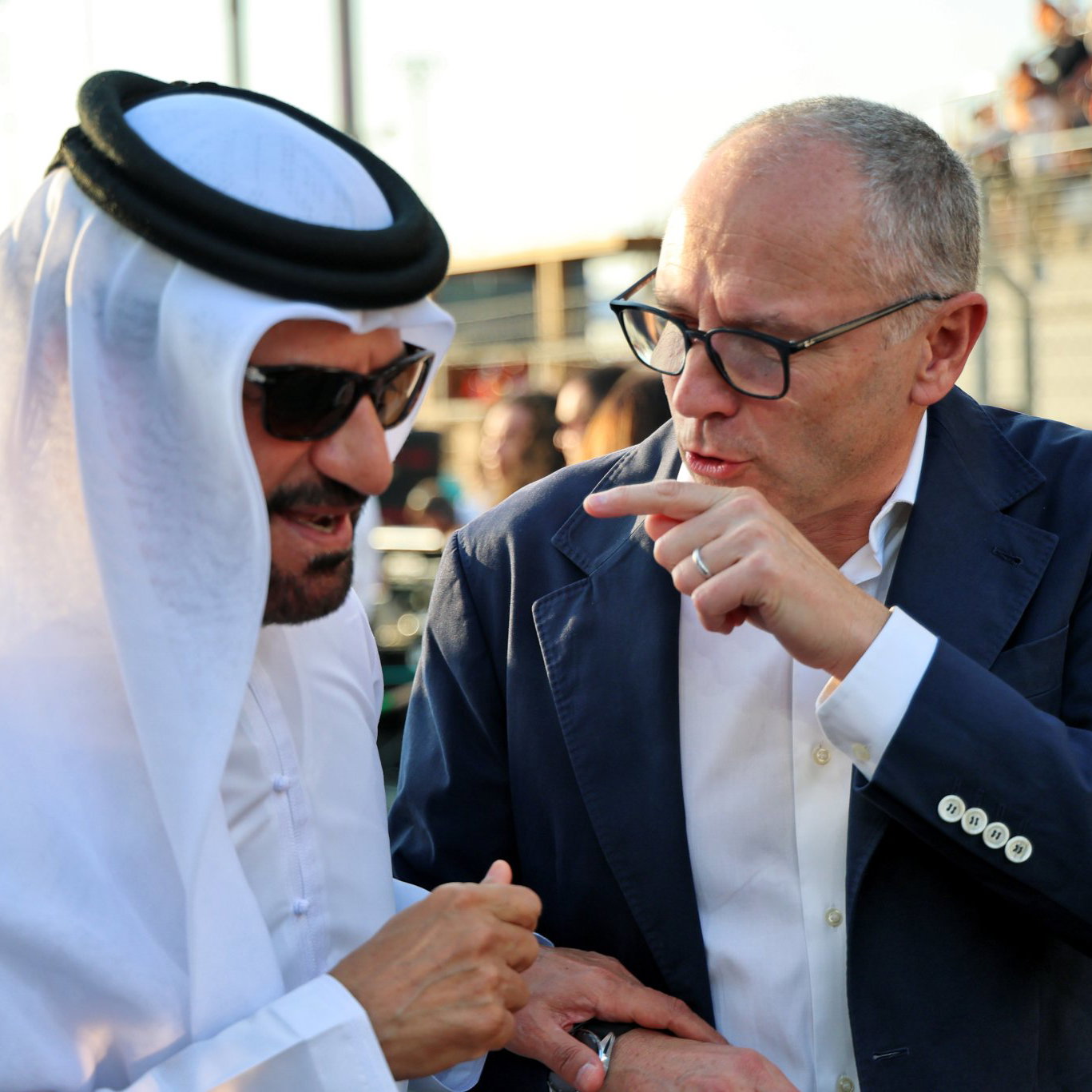
However, the only eligible vice-president from South America, Fabiana Ecclestone - the wife of former F1 supremo Bernie - has already pledged her allegiance to Ben Sulayem.
Villars said the judge “held that the irregularities raised regarding the presidential election must be examined” early next year.
The Paris court has ruled the FIA presidential vote is clear to go ahead as planned, despite there being uncertainty over whether the election result will stand.
Robin Binsard, the lawyer representing Villars, said: "The emergency-proceedings judge held that this dispute belongs before the trial court, and we will therefore continue this case against the FIA before the judges who hear matters on the merits. A first hearing is scheduled for 16 February 2026.”
A statement from the FIA said: “The French Court has issued its decision on 3rd December, confirming that the election for the President of the FIA will proceed on 12th December at the FIA General Assemblies in Tashkent, Uzbekistan.
“The FIA remains focused on the forthcoming General Assemblies and discussing with its member clubs globally important issues for both motorsport and automotive mobility.”

Lewis regularly attends Grands Prix for Crash.net around the world. Often reporting on the action from the ground, Lewis tells the stories of the people who matter in the sport.