Red Bull backs 2027 changes amid shorter F1 race plan
The controvertial plan to shorten some races has been backed by Red Bull

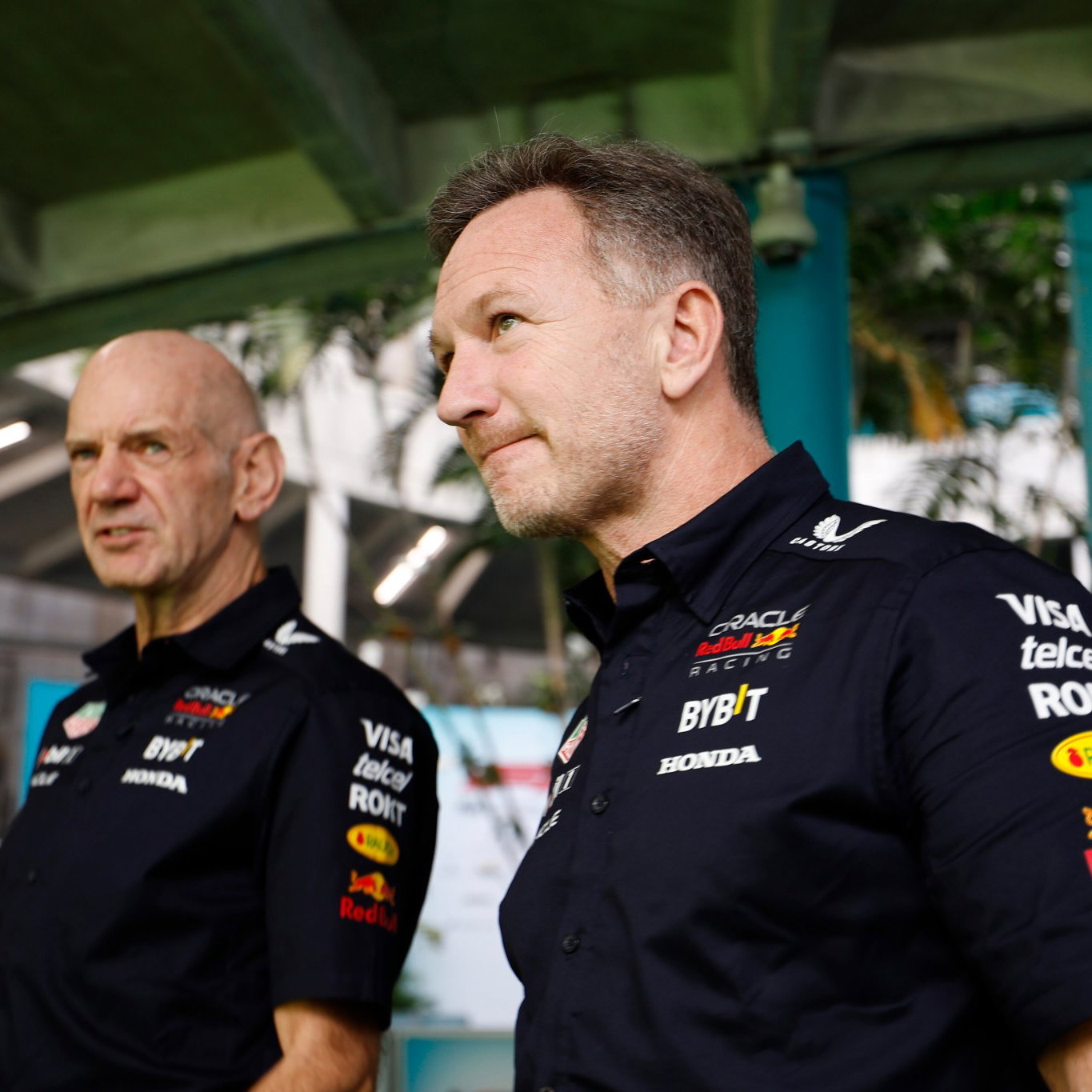
Red Bull Racing boss Laurent Mekies says that his team and its sister power unit supplier are ready to step out of their “comfort zone” and back the proposed changes to next year’s Formula 1 regulations.
The FIA announced on May 8 that a move to a 60:40 split between the combustion engine and electrical component had been agreed in principle for 2027, essentially by increasing fuel flow.
However, it is far from certain that the changes will go ahead. While Red Bull and Mercedes are among those backing the plans, others still have reservations.
Mekies conceded that at the moment there is no unanimity among the key stakeholders, but he remains confident that agreement will be reached.

“We support any step that the sport wants to make to get closer to flat-out qualifying and to flat-out racing,” he said. “As Red Bull Ford Powertrains, for sure, we support this change.
“You will find nobody comfortable with changing so late for next year, and that's why we have so many discussions. But certainly, we are happy to step out of that comfort zone for the benefit of the sport, and to get something in place for '27.
“Is there a sense of unanimity? Of course, because it's conversations that put us all out of our comfort zone, it needs quite a few discussions. It's a work in progress, and I have confidence that we will land in the right place.”
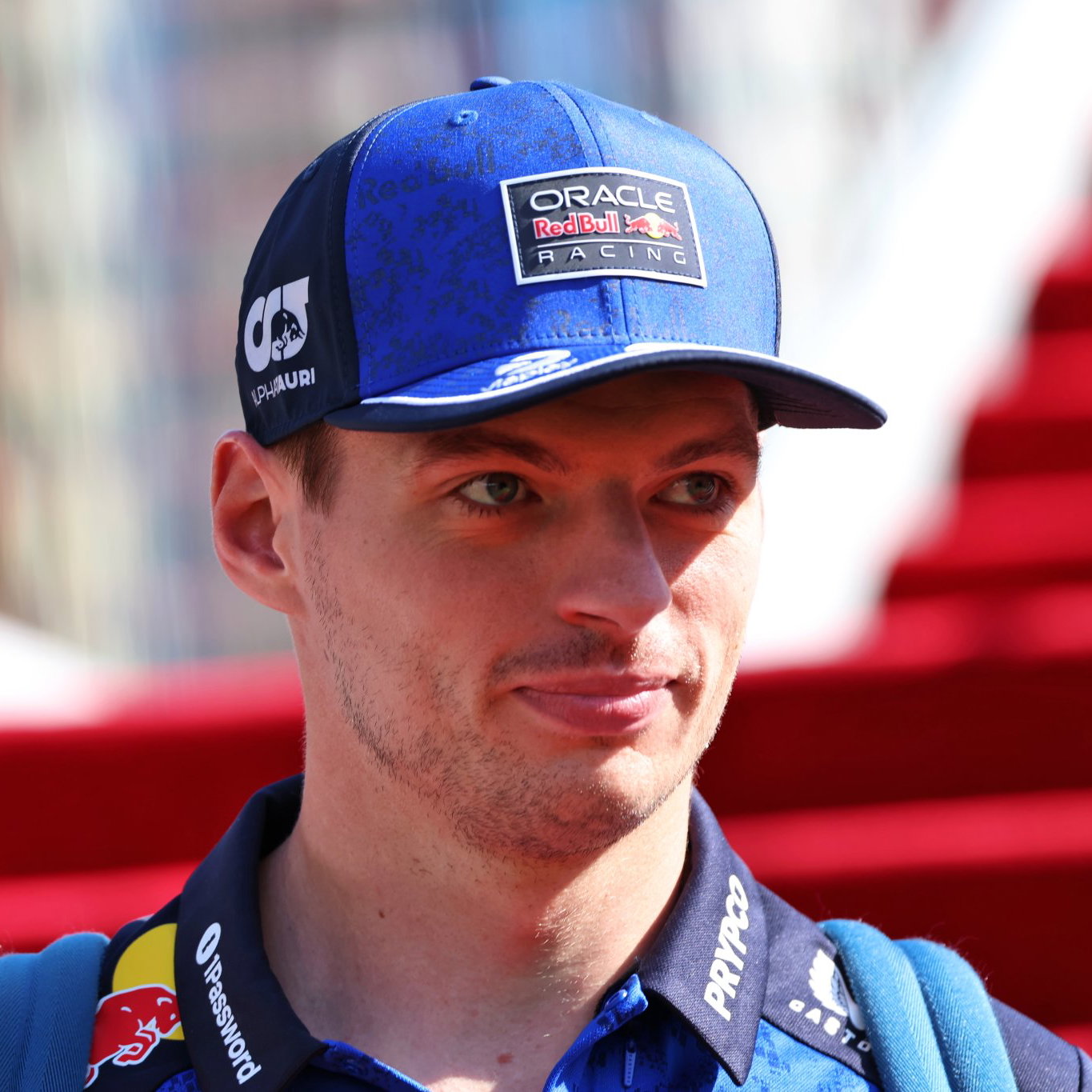
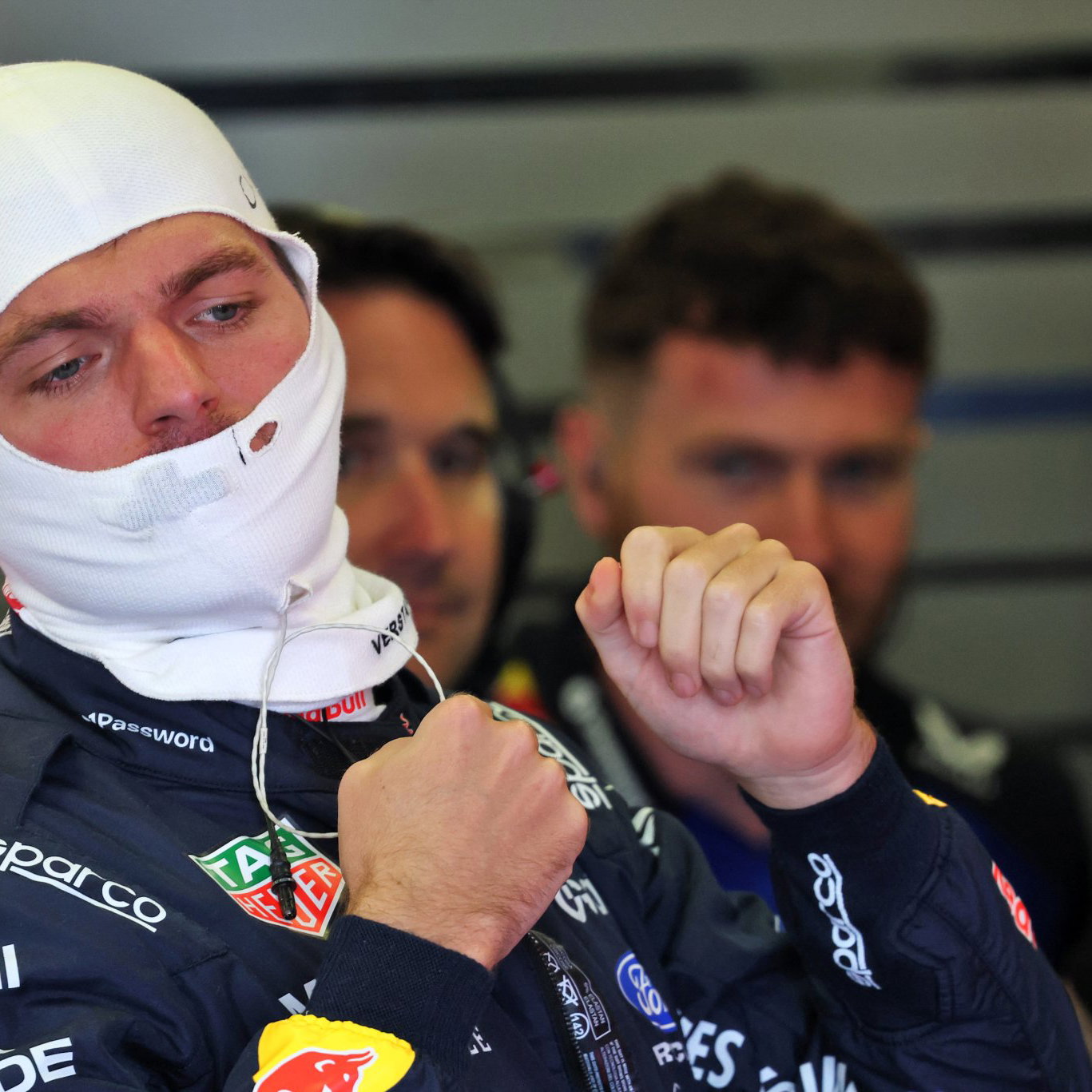
Red Bull driver Max Verstappen has made it clear that he is fully behind the proposed changes, indicating that they will help to encourage him to extend his F1 career.

“Max cares about the sport,” said Mekies. “And the reason why he's so vocal is because he genuinely cares about F1 being the pinnacle of motorsports, and he wants to see flat-out qualifying, he wants to see the fastest drivers being able to push as hard as they want in the corners, without losing any lap time due to that.
“And he has been listened to. There has been a fantastic openness from the stakeholders, from the FIA, from F1, from all the teams to say, ‘Yeah, we need to do something about it,’ and therefore I'm sure it's been encouraging for him and for all of us to see that we are all ready to make steps to fix it. And I think it's important for the sport.”
One of the key areas of debate initially concerned the impact of a fuel flow increase on tank size, with some teams planning on carrying their 2026 chassis over and thus unable to increase capacity.
That has been addressed with plans to trim the length of some of the higher consumption races, as well as restricting the number of laps to the grid to one rather than the typical three, which is already the case for sprint events.
“I think that's a very straightforward one on the chassis side,” said Racing Bulls team boss Alan Permane when asked by Crash.net about the fuel capacity issue.

“We have already spoken and come to an agreement, certainly at team principal level, that if anyone wanted to carry their chassis over and that wasn't quite big enough to do the 310K race, then we would look at selective races, and only where absolutely necessary, shortening them by maybe one or two laps, and limiting laps to the grid to one, so of course maximizing any potential race length. But that's already in place, ready to go.”
McLaren team principal Andrea Stella confirmed that he backs the changes.
“From a chassis point of view, it's absolutely possible,” said the Italian. “There are enablers that are part of this proposal that make this proposal achievable. It is a proposal, the 60:40, that is for the good of the sport.
“I think there's a general interest that prevails over the particular interest, and this is an important opportunity for the F1 community to make sure that the sport is in a strong position, so we do hope that this process will be successful.”
Mekies also agreed that fuel tank size was not an issue: "I think chassis side, there is not really a stress on it. There is some tension on the PU side from a timing perspective, and that's why we are all trying to converge as quickly as we can now.”

Adam Cooper attended his first F1 race at Brands Hatch as a 10-year-old fan in 1976. He became a freelance journalist for Autosport magazine in 1985 while still at university, initially covering everything from club racing to the FIA World Sportscar Championship.