Williams boss claims F1 has "failed" in two areas amid 'cost cap trap'
James Vowles insists F1’s cost cap failed to compress the field, leaving top teams with an even bigger advantage

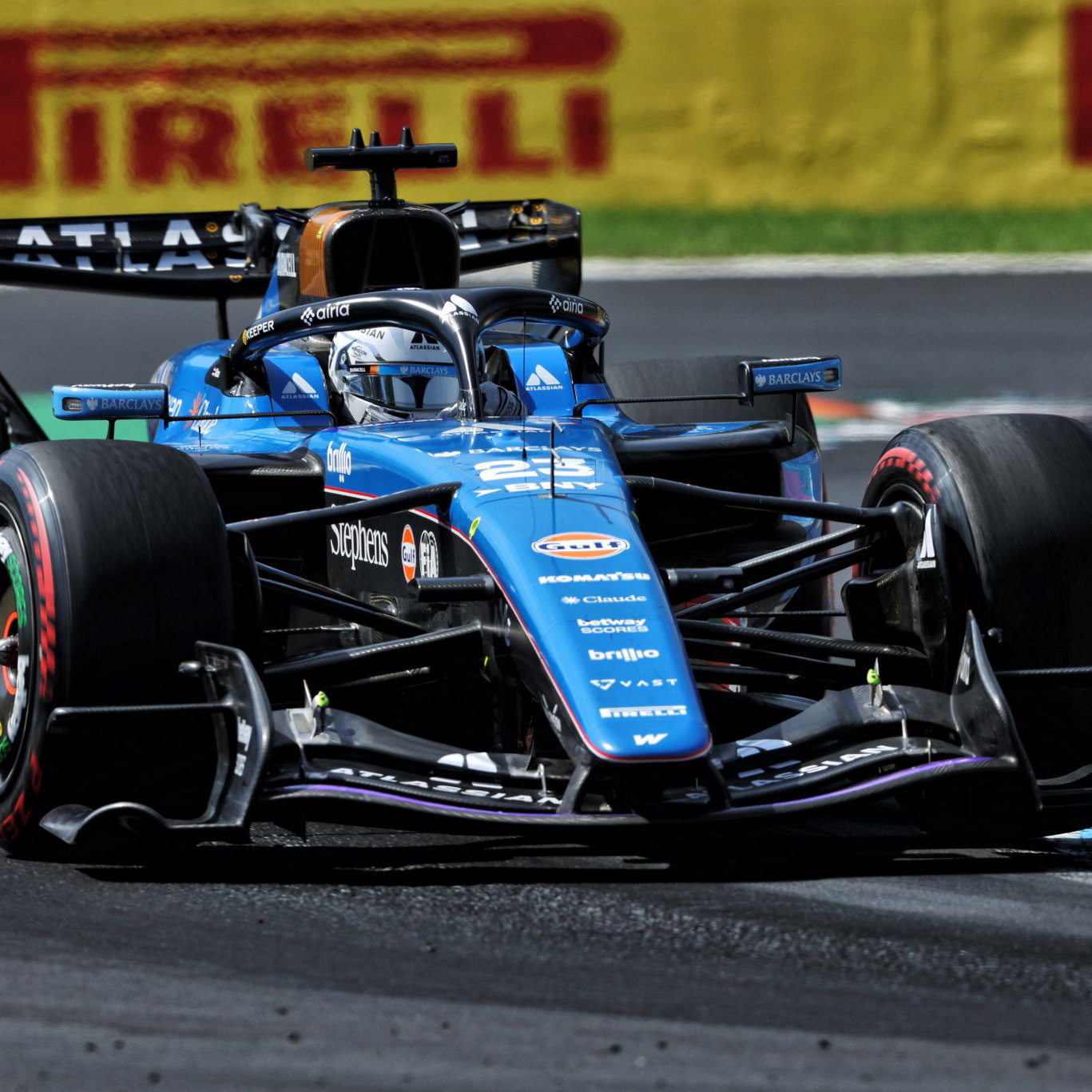
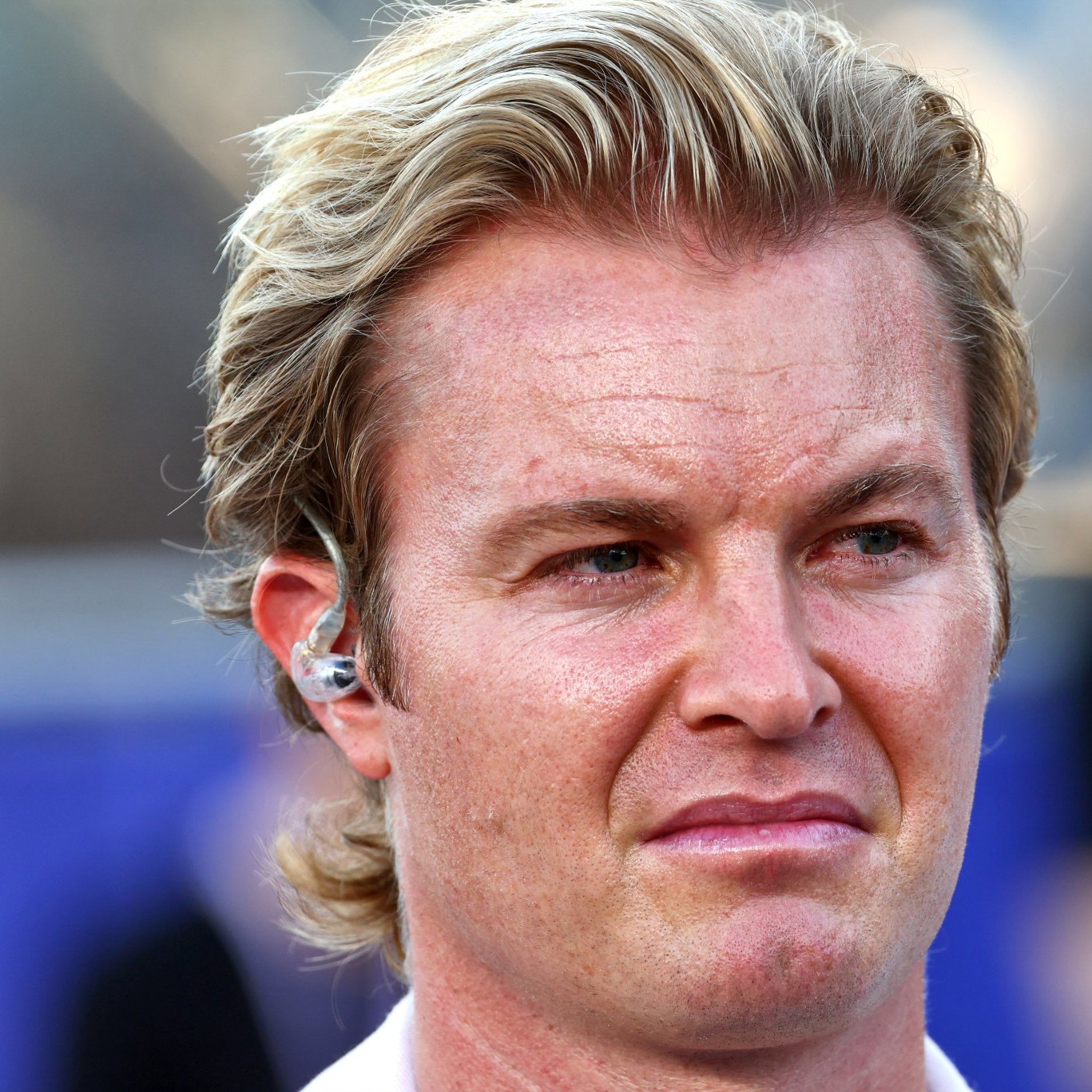
The Williams Team Principal, James Vowles, was very vocal during a Press Conference at the Bahrain Grand Prix in Malaysia regarding the current state of the cost cap in Formula 1.
After switching from Mercedes to Williams, his eyes have been opened to the true situation that teams outside of the top four have been facing in the sport.
Despite finding long-term financial sustainability with Williams, he has insisted that two further parts of the cost cap have failed in the sport, and he believes the teams need to find a way to make it more effective in the future.
Vowles told the media, “When we did the cost cap, there were three key tasks that we wanted out of it. We wanted long-term financial sustainability, and I think in that goal, not only have we achieved it, but we’ve exceeded it.

“This business now has good investment that allows us to go on, and they’re businesses. They weren’t businesses before 2021 at all.
“The two others, though, that went with it were sporting equity and, effectively, compression of the field, so effectively competitiveness that compressed together. Those are the three goals of cost cap, and those two have failed.”
The Brit went on to discuss statistics that he has looked into that show the change in Formula 1 over the last five years under the current cost cap.
“Currently, the top four teams score 83% of the points. Before that, it was in the 70s, just to be clear about it,” Vowles noted.
“In other words, we have made the situation worse, where the top four are the top four and all the rest of us are fighting over 17% of the points. The number of times on the podium used to be 10% of the time; now it’s 5% of the time.”

According to Vowles, lower-tier teams are caught in a 'cost cap trap' because their financial resources must be funneled into basic infrastructure rather than direct performance upgrades.
“I went from the best team to the worst team. I think that’s fairly clear. What I hadn’t appreciated or realised when you do that jump is just how little exists.
“When you’re in a cost cap, I’m not spending money on the car. I’m spending millions, tens of millions, actually, just on basic systems, so you just know where a part is in the factory.
“So that’s not going to the car, it’s not going to a front wing, it’s not going to an upgrade. It’s going on systems that I need to do just to do the very basics. So, we’re caught in a cost cap trap because if I do anything short-term, and I always talk about investing in the future, now you understand why.

Despite his criticisms, Vowles made it clear he does not want to dismantle the cost cap, but rather reform its structure to allow smaller teams to compete fairly.
“The solution isn’t to take the cost cap away,” Vowles emphasised. “We have a brilliant, financially stable sport now as a result of it, but we do need to think about what mechanisms we have in there to make sure we’re all playing with the same tools and the same mechanisms, because today we’re not.”