MotoGP riders’ opinions split on “necessary” back-to-back races
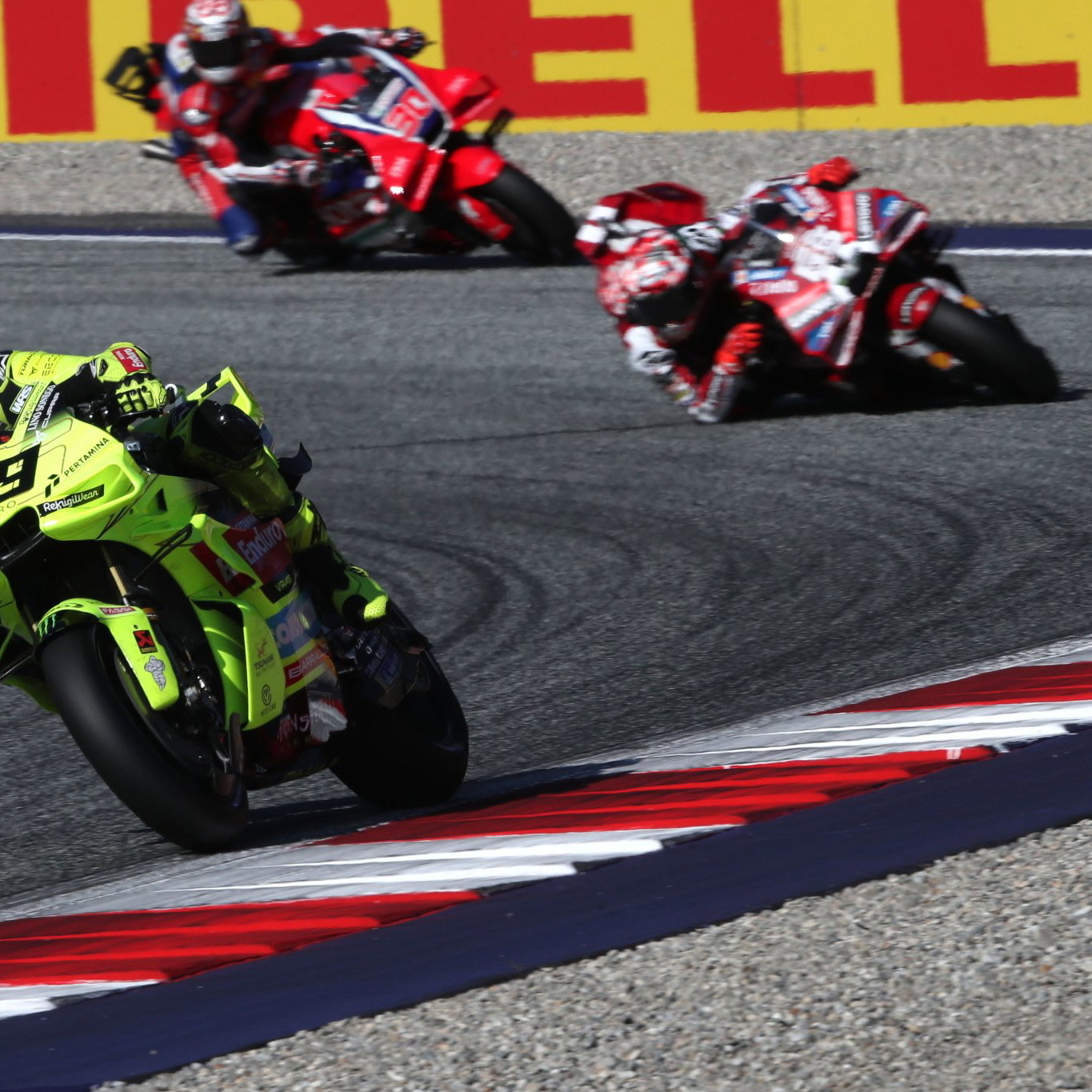
Several MotoGP riders were asked about back-to-back races, with four of them offering different opinions.

A number of MotoGP riders have given their thoughts on back-to-back races in the championship, with a split in opinions.
Back-to-back races are nothing new in MotoGP, of course, but in the past they were rare in the European part of the season while races in the Americas or Asia would often be grouped together, perhaps most memorably the Japan-Australia-Malaysia triple-header that made up the Asian tour before Thailand joined the calendar in 2019.
The expansion of the calendar in recent years has seen a decline in the number of triple-headers. In fact, there were no three-race blocks in the original 2026 calendar, but the rescheduling of the Qatar race has seen it go back-to-back with Malaysia, which was already back-to-back with Australia.
However, at the same time there has been a change to the European season, with most races now being paired with another to form a series of European double-headers.

For example, in 2026, France was paired with Catalunya, Italy with Hungary, Czechia with the Netherlands, San Marino with Austria, and Portugal with Valencia. These European back-to-backs are in addition to those in South America (Brazil and the US) and Asia (Japan and Indonesia, and Australia with Malaysia and Qatar, as aforementioned).
The back-to-back races make the calendar more difficult to manage for the riders from a physical standpoint because an injury at the start of a run of back-to-backs – as title contender Jorge Martin (who rode a reduced schedule on Friday in Malaysia today) suffered in Australia last week – can mean a rider could miss several races in a row.
A number of riders were presented with an anonymous statement regarding the back-to-back races by TNT Sports ahead of the Malaysian Grand Prix, which said that the double-header blocks encourage the riders to compete even when they’re unfit.
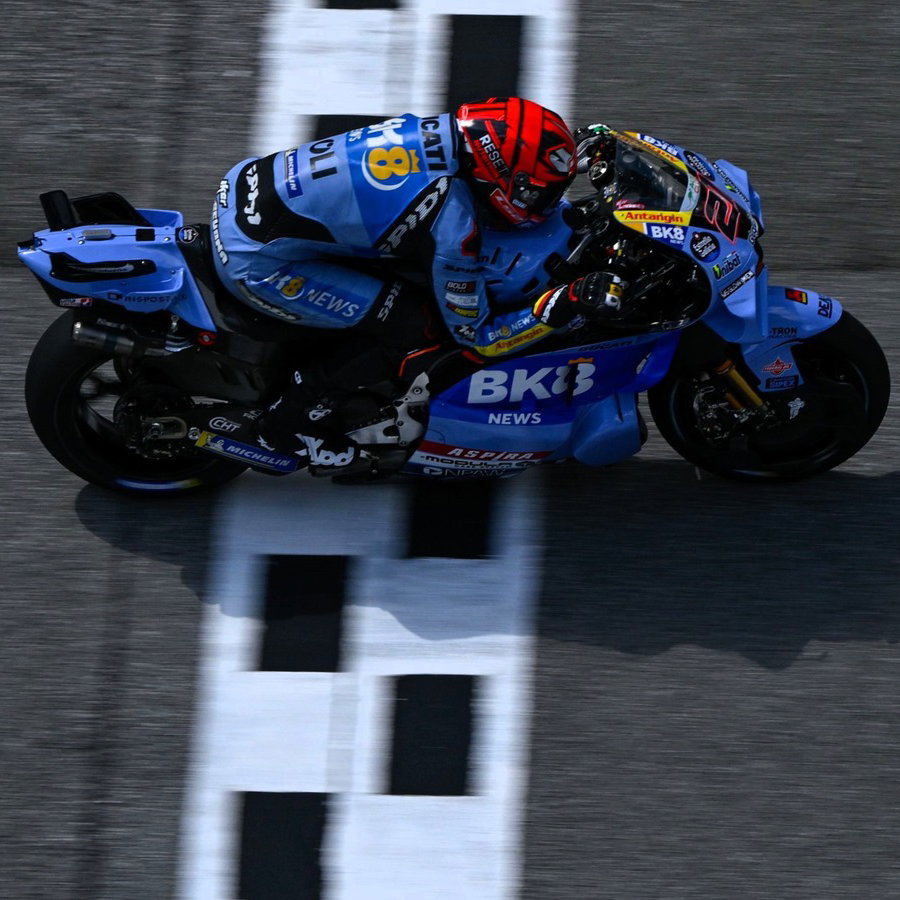
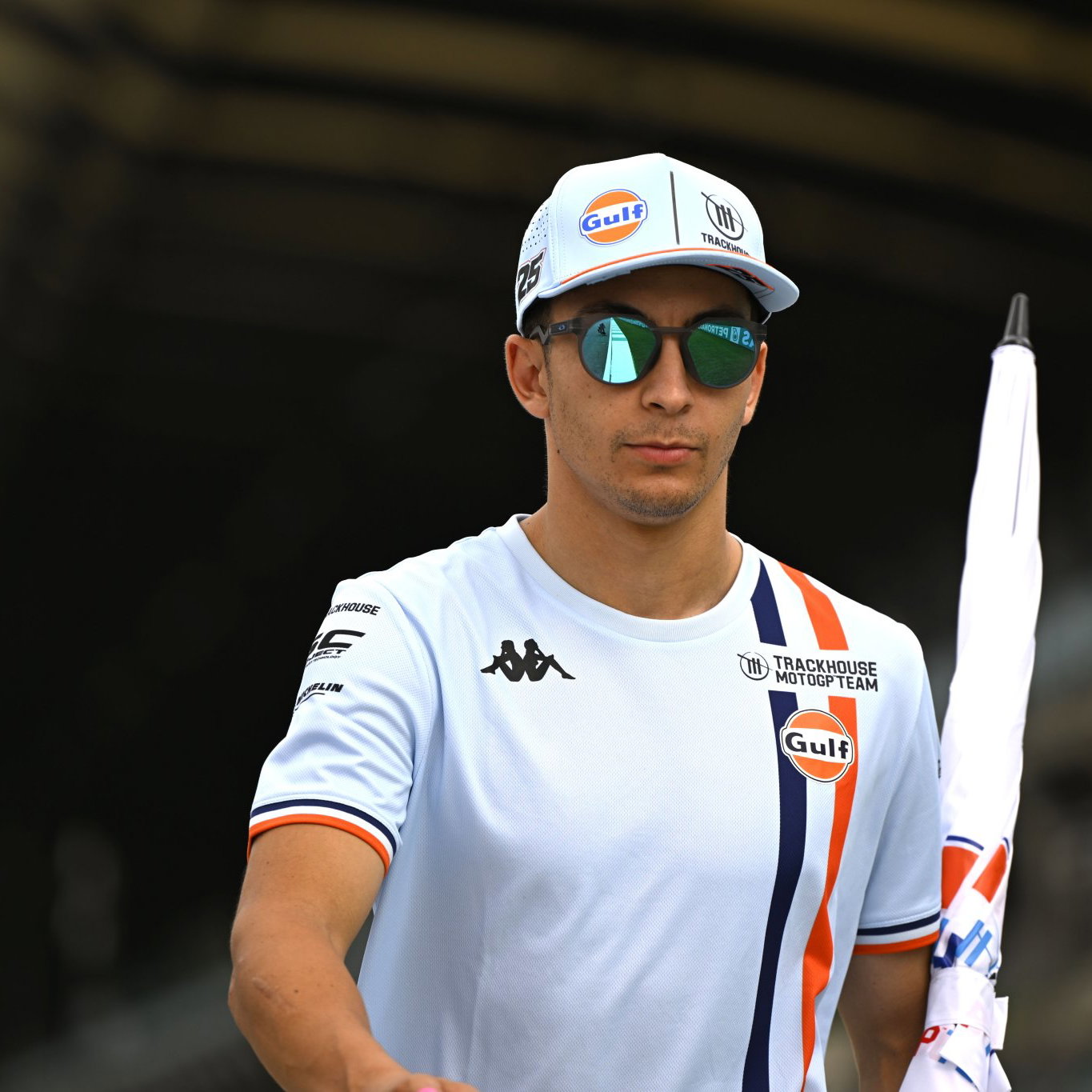
“At the end it’s true,” Fabio Di Giannantonio responded.
“Like, we do back-to-back races for the logistics, for the calendar.

“It’s becoming more and more tough to keep this physical condition through the year, and sometimes it’s also a bit dangerous.”
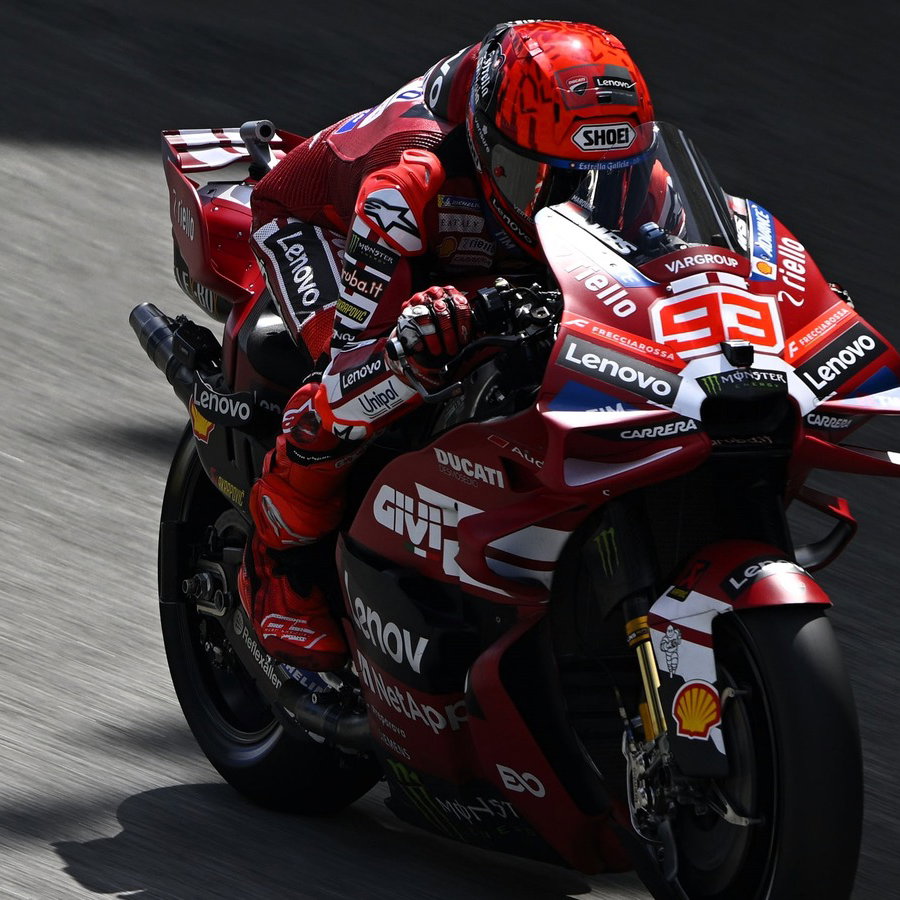
Raul Fernandez shared Di Giannantonio’s perspective, the Spaniard saying back-to-backs are necessary to fit so many races into a season.
“If you have back-to-back [races] and you have an injury – you see my finger is not really well and I cannot recover as I want,” said Fernandez, who has pulled out of the Malaysian Grand Prix with a broken finger he sustained in Indonesia.
“But it’s necessary to make back-to-back because we have a very long championship and we need also to have some free time for us because we are human and we deserve to have some, let’s say, holidays, but it’s not really ‘holidays’.”
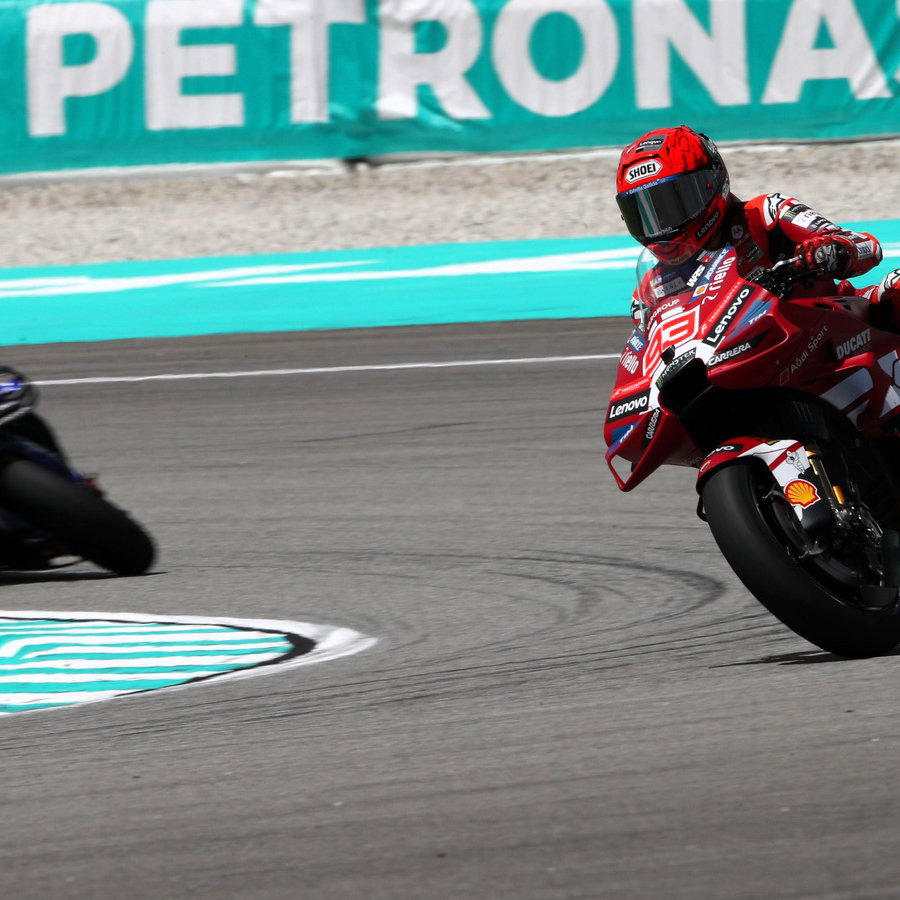
For Johann Zarco, the choice is simple: back-to-backs, or no off-season.

“Try to put 22 races from March to November without doing any back-to-back – it’s impossible,” the LCR Honda rider said.
“Or we should race from 1 January to 31 December, but if we do that it means we never breathe, either.”
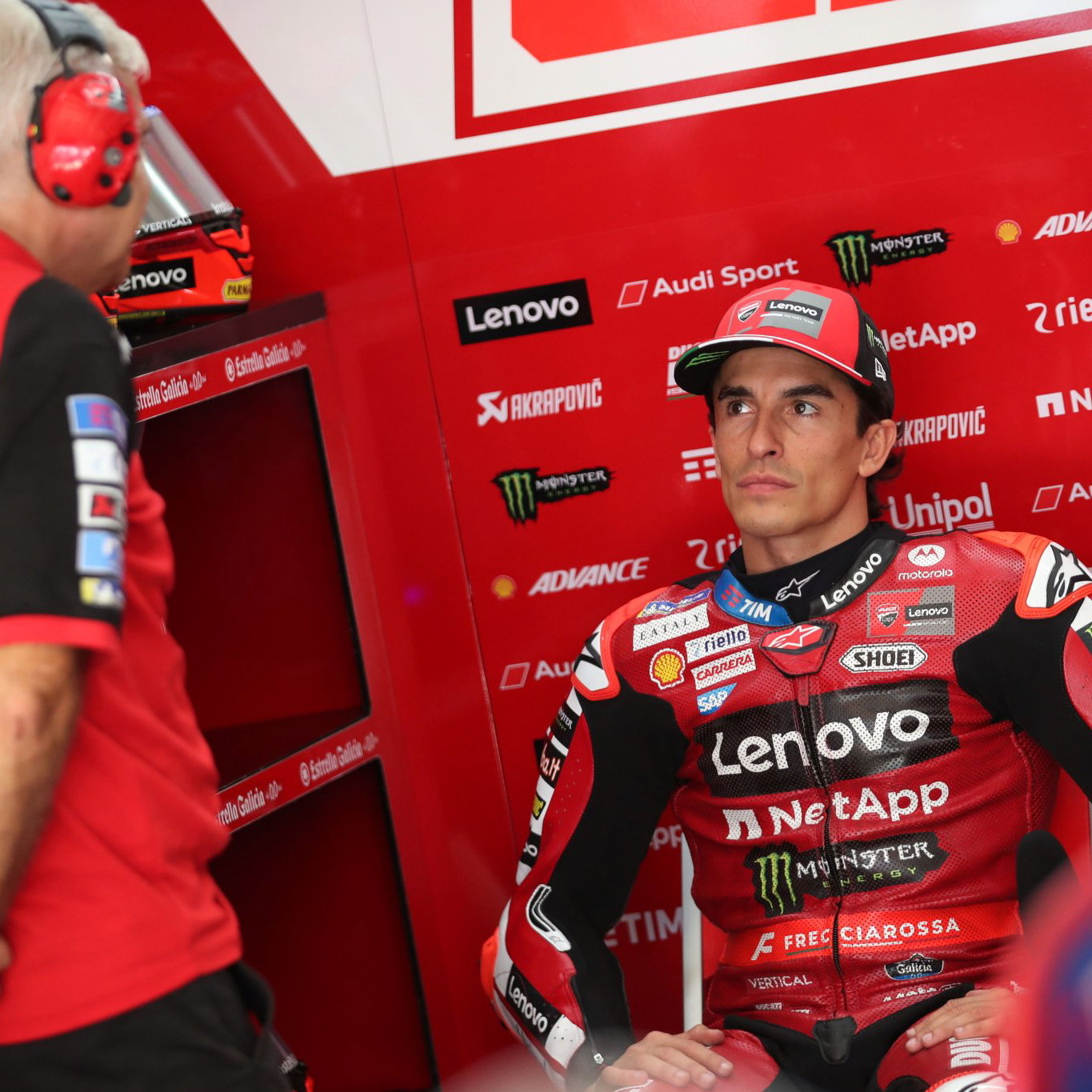
Two-time MotoGP champion Francesco Bagnaia actually disagrees that back-to-backs are a problem. Instead, the Italian feels doctors need to be more strict with riders about when they can and can’t ride.
“I think it’s not a matter of not having back-to-back races, it’s more a matter of doctors that have to be clear; if a rehabilitation needs two months, you need to wait two months,” he said.
“We are always pushing hard to recover as fast as we can and if you can show to the doctor that everything is fine, it’s okay. But if not, I’m on the idea that ‘unfit’ is important.”
Tags:

Alex joined the Crash.net team in August of 2024 having covered consumer and racing motorcycle news at Visordown for two years.