Lewis Hamilton should feel hard done by after curious F1 Belgian GP penalty
Lewis Hamilton's Belgian Grand Prix penalty was harsh and unnecessary, argues Lewis Larkam.

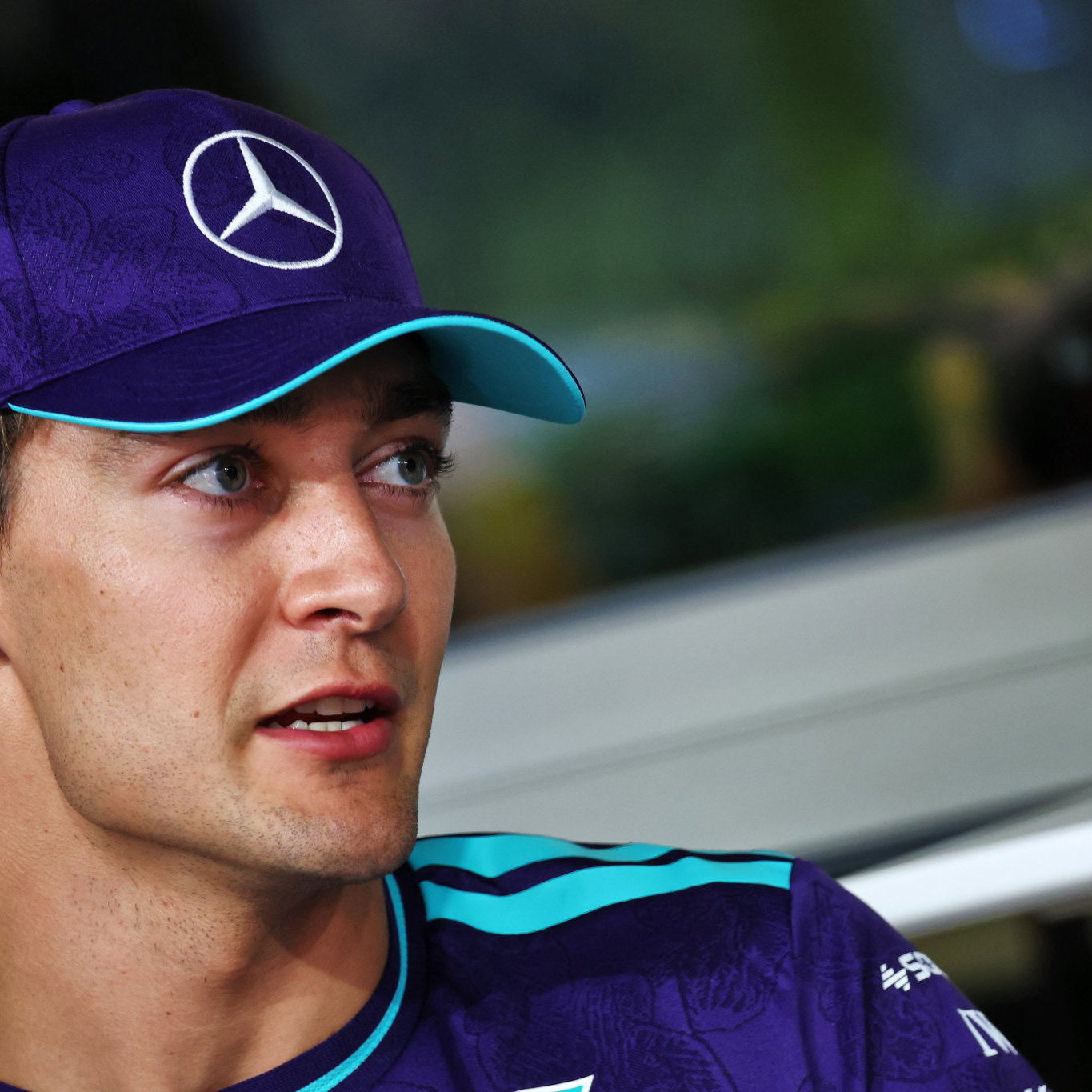
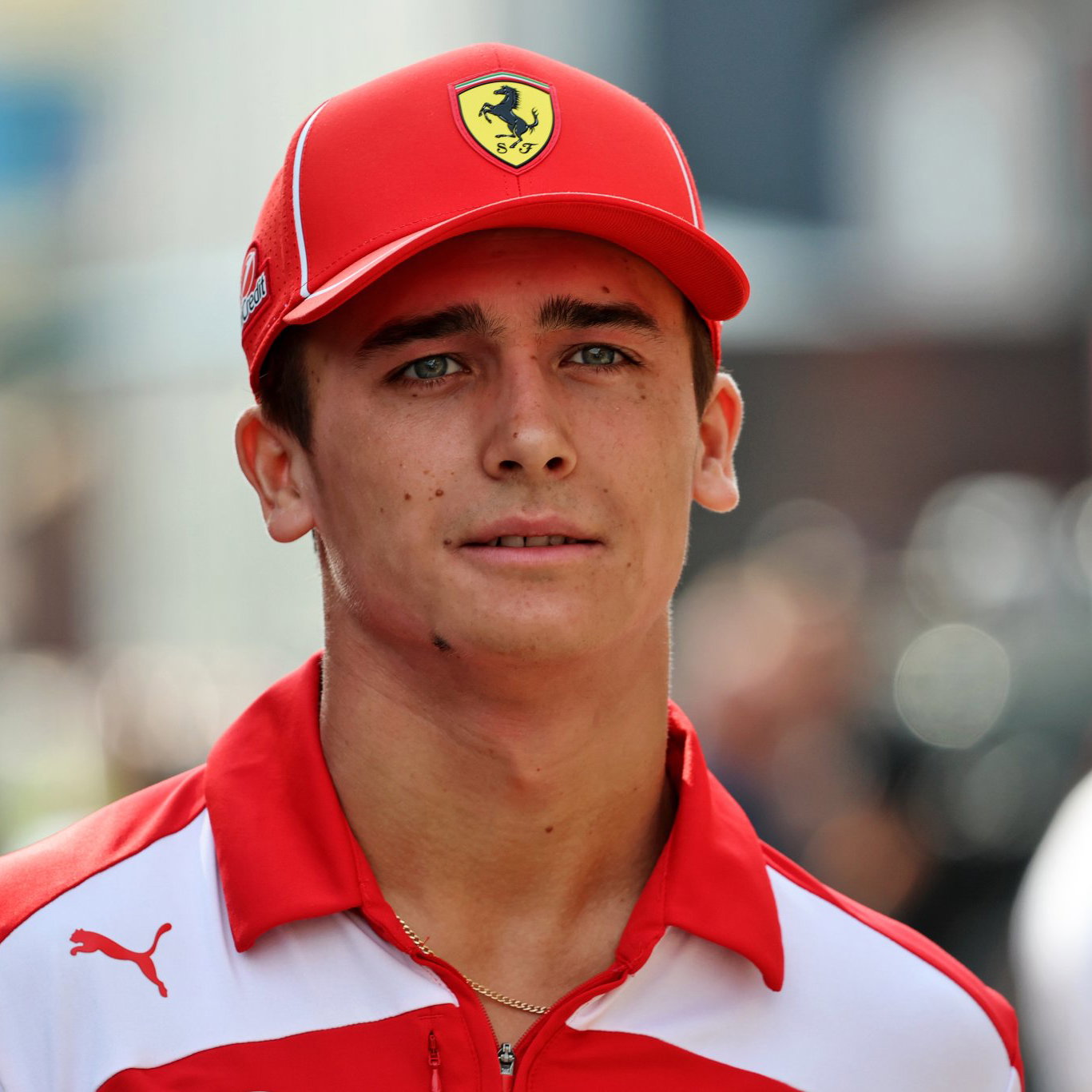
Lewis Hamilton’s five-second penalty for contact with George Russell on the first lap of Formula 1’s Belgian Grand Prix proved to be a controversial talking point of the race.
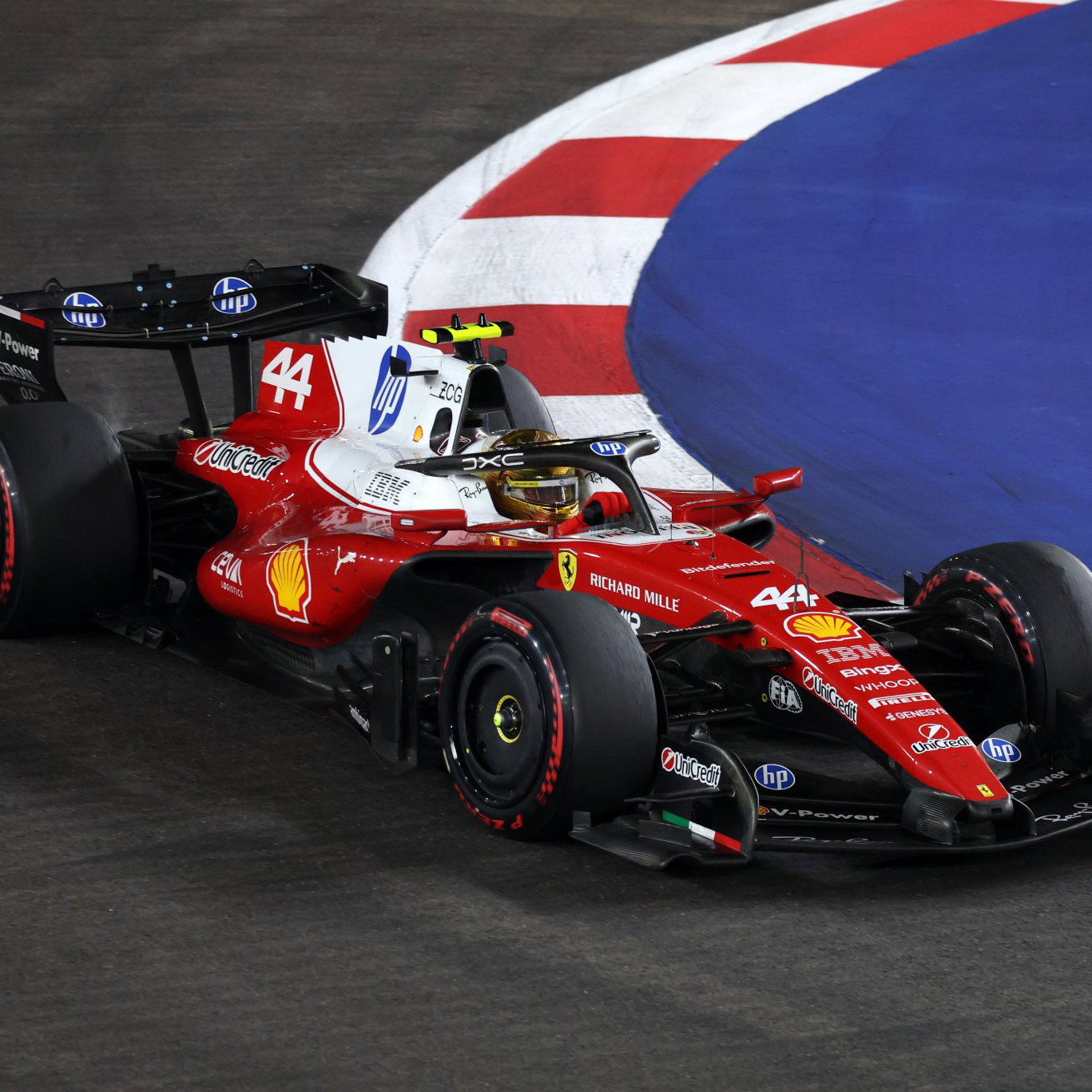
Hamilton pitched his former Mercedes team-mate into a spin that left Russell beached in the gravel bed after the pair tangled on the exit of Les Combes on the opening lap of Sunday’s race at Spa-Francorchamps.
The fast right-left chicane at Turn 5 of 6 of the legendary Spa circuit is a notorious hotspot for drama. Accidents are commonplace, particularly with drivers jostling for position in close proximity on the first lap. Hamilton and Russell’s clash was a classic Les Combes incident.

Hamilton had out-dragged Russell’s Mercedes along the Kemmel Straight and held the inside line for Les Combes. Affected by running in the dirty air of Max Verstappen’s Red Bull under braking, Hamilton suffered a snap of understeer and tagged Russell’s rear-end, pitching him into a race-ending spin as he attempted to go all the way around the outside of the seven-time world champion.
Hamilton lost downforce in the turbulent air and on-board footage from his car clearly shows he made a small correction in his attempts to hit the apex and avoid Russell, who had edged ahead. There is no doubt that Hamilton caused the collision after losing control of his Ferrari, but this was a racing incident all day long.
That was the view of former grand prix driver and Sky Sports F1 analyst Martin Brundle, Mercedes team principal Toto Wolff, and even the victim of the accident himself, Russell.
But the stewards’ panel - which this weekend included former F1 driver Pedro Lamy as the driver steward - saw it differently. Despite writing an entire paragraph explaining how Hamilton did everything to avoid the contact, they nevertheless dished out a penalty.

"During the corner, Car 44 [Hamilton] experienced understeer and, despite attempting to avoid Car 63 [Russell] by applying corrective steering, made contact with the right-hand side of Car 63 with its left-front wheel," their verdict read.
"The stewards determined that Car 63 remained within the available racing room and that the collision was caused by Car 44 being unable to maintain sufficient separation.
"The stewards recognise several mitigating circumstances. Car 44 acknowledged the presence of Car 63, attempted to leave appropriate racing room and made a genuine attempt to avoid contact.
“The collision resulted from a loss of front-end grip rather than from an aggressive or deliberate manoeuvre. In addition, the incident occurred on the opening lap, where reduced grip and compressed racing conditions are recognised.”
An adjustment to the FIA’s driver guidelines of on-track standards, published on the eve of the 2026 season, revealed that F1 drivers would be afforded even more leniency from stewards.
That seems to have been applied in the sense that the “mitigating circumstances” referenced above stopped the stewards giving Hamilton an even bigger 10-second penalty, as well as possible penalty points.
Curiously, however, the usual leniency for first lap incidents did not seem to be taken into account at Spa. It was even more mystifying to many watching when Charles Leclerc escaped punishment for a clash with Oscar Piastri at the same corner seven laps later.

While Hamilton’s penalty was not unprecedented, it was definitely harsh. It feels like Hamilton was penalised for the consequences of the clash and Russell being out.
Both Hamilton and his Ferrari team boss, Fred Vasseur, questioned the punishment handed out, while Mercedes also felt the action taken was not necessary.
“Tried the outside here, it should have been his corner,” Wolff said. “But that’s a racing incident, these things can happen, whether you’re at the front, in the middle or at the back of the pack.”
It could be argued that there is an element of Mercedes wanting to protect a team legend, however that would apply more for Wolff than Russell, whose DNF represented a major blow to his world championship hopes.
Despite that, Russell was clear that Hamilton's actions did not warrant a penalty.
"Me and Lewis, honestly, I think it was a racing incident," Russell concluded. "He didn't do it on purpose. He was more to blame than I was. But he didn't do anything reckless.
"That was one of those things I was most angry about, that I was in that position in the first place. I was in a great position after Turn 1. I was ready to fight the two guys ahead of me up to Turn 5. Instead, I got swamped by three drivers."
There is a growing desire - rightly in my view - that penalties should be dealt with as soon as possible during the race, rather than waiting several hours afterwards to find out the official result.
But I can’t help feeling that if the stewards had the chance to hear from both drivers involved, and especially Russell, they would have taken a different stance on the matter.
Hamilton ultimately finished fourth. Without the penalty and subsequent pit stop confusion - which resulted in a key front wing flag adjustment not being completed that left Hamilton with the wrong balance for the final stint - he could have been right in the fight at the front and joined his team-mate on the podium.

Lewis regularly attends Grands Prix for Crash.net around the world. Often reporting on the action from the ground, Lewis tells the stories of the people who matter in the sport.