How Max Verstappen's new deal has shielded F1 boss from uncomfortable questions
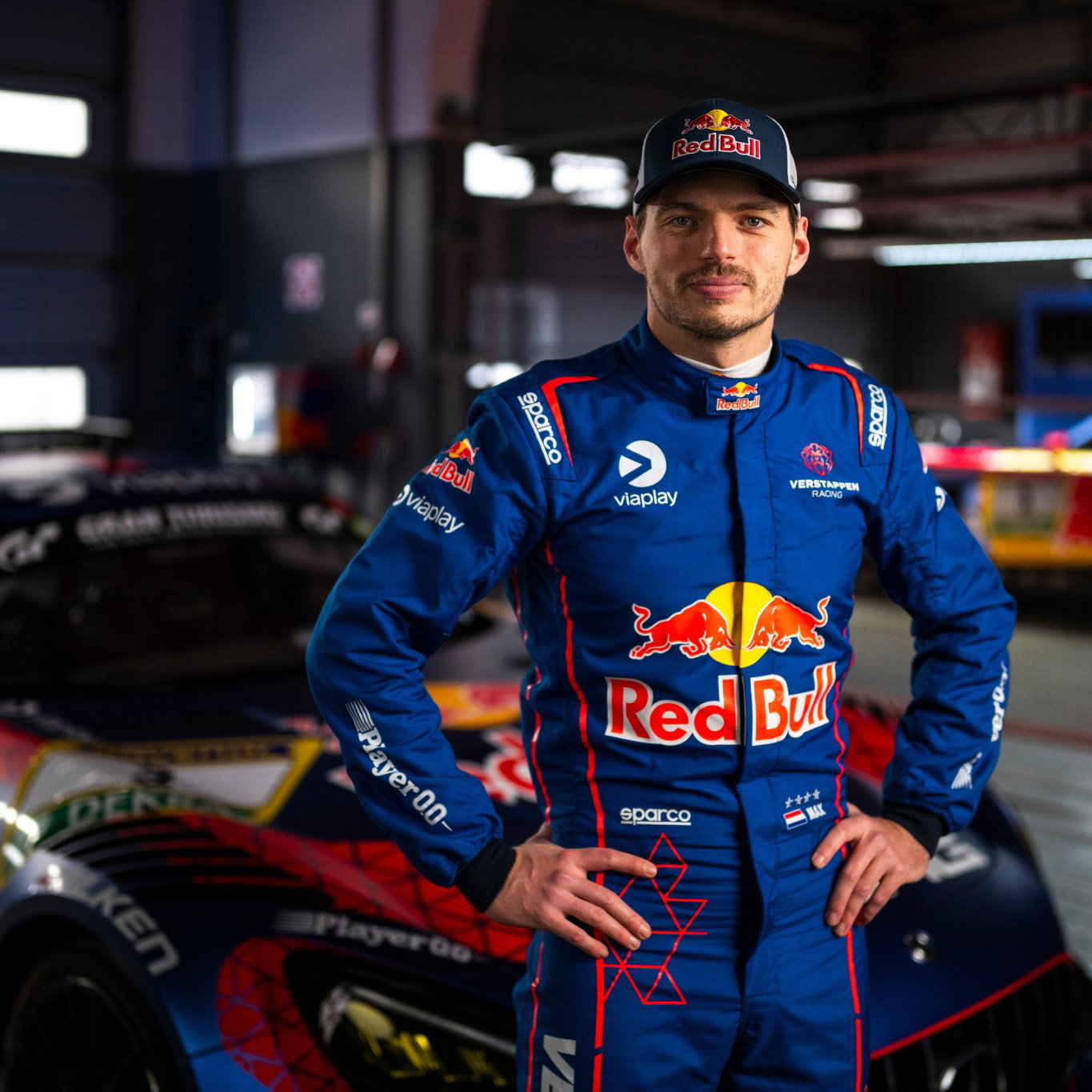
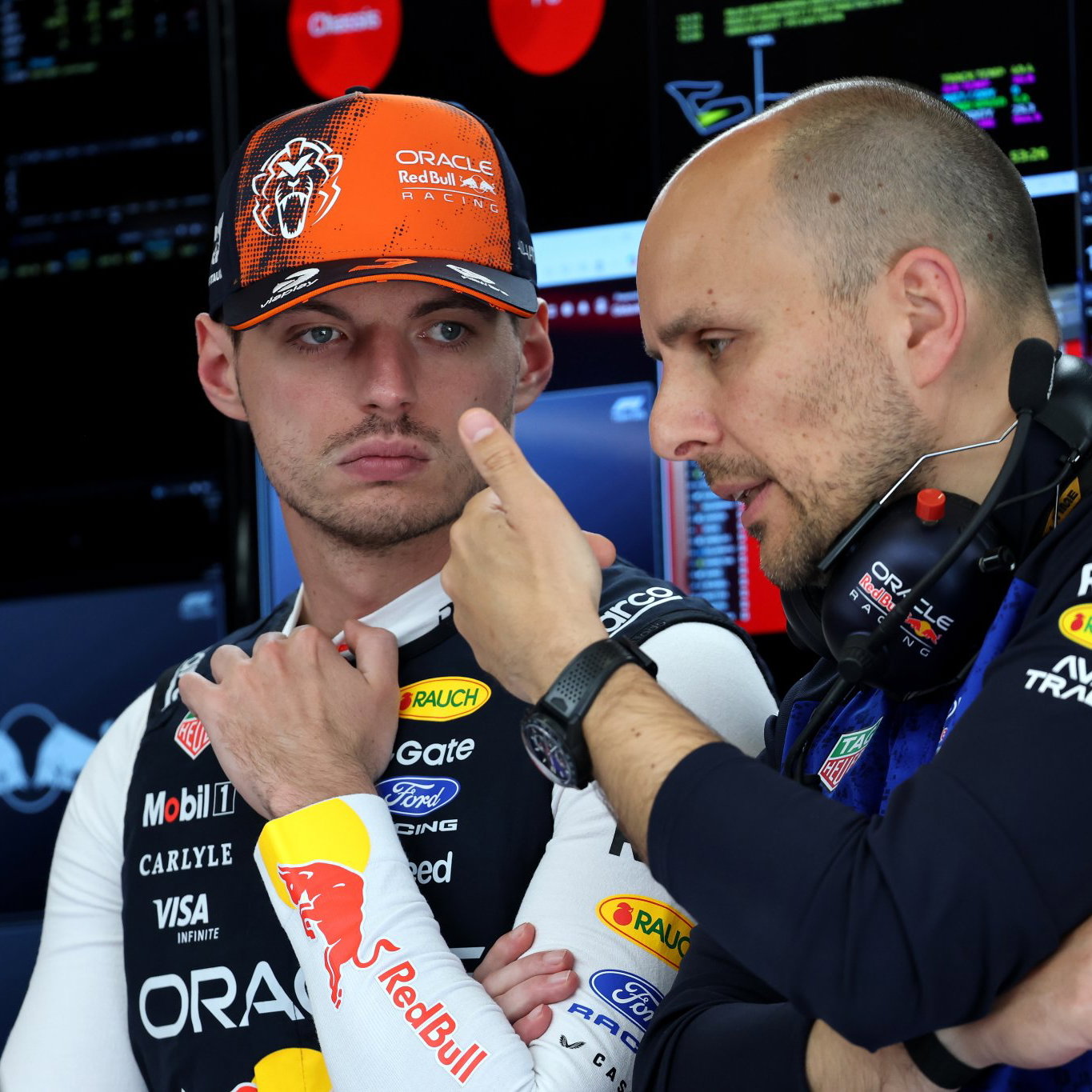
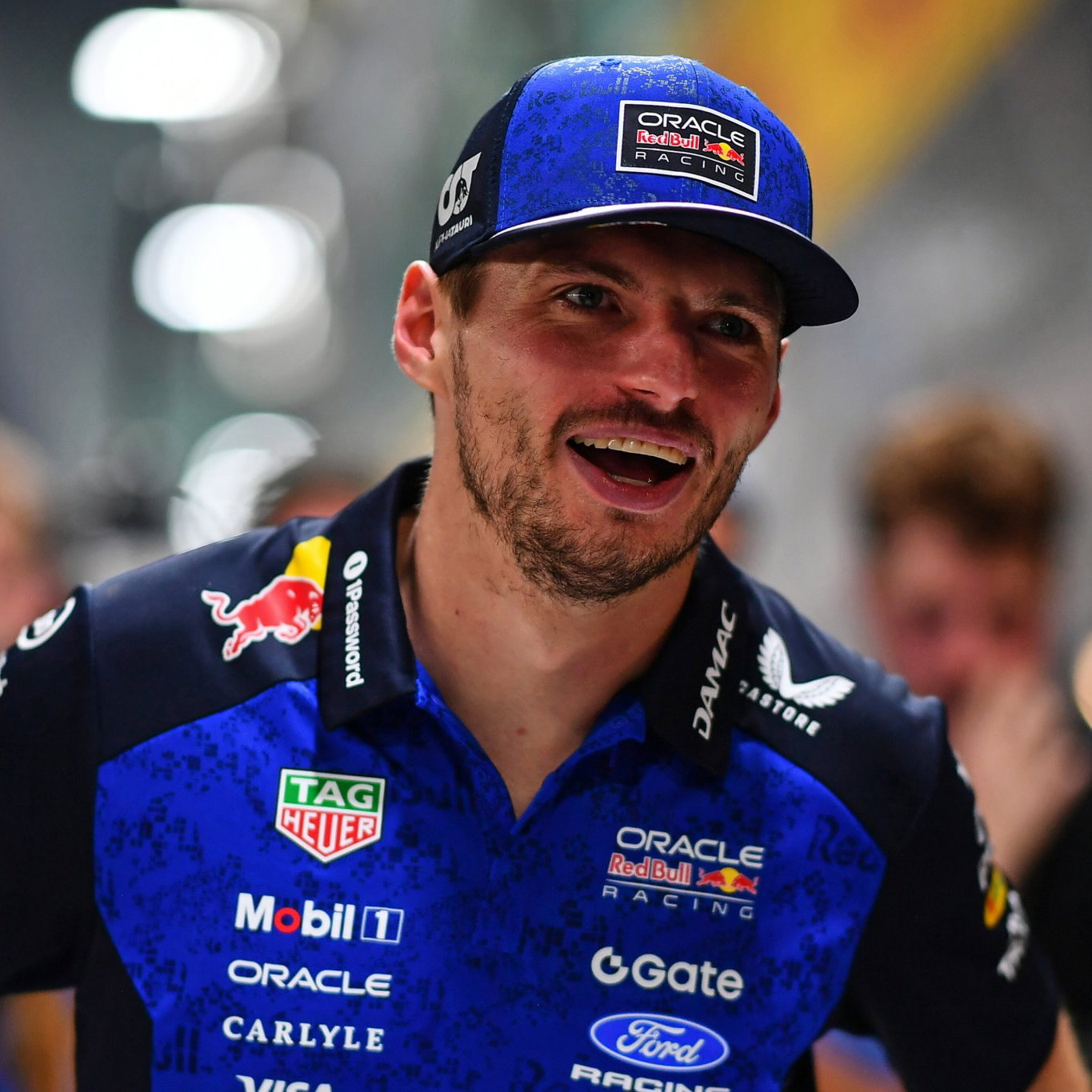
Max Verstappen has signed a bumper new deal to remain with Red Bull and, more crucially, in Formula 1 until the end of the 2030 season, sparing the blushes of the championship’s hierarchy amid extreme backlash over the current regulations.

Beyond Lewis Hamilton, Max Verstappen is comfortably Formula 1’s biggest name, with his popularity and influence made all the clearer with his debut at the Nurburgring 24 Hours earlier this year, as the event sold out for the first time.
This made it especially worrying for F1 when, across the first half of the season, the Dutchman was the most vocal critic of the new regulations, poking holes in both the cars, and the yo-yo nature of the racing. Due to his dislike of the situation, he made clear that the direction of travel needed to change, and made repeat threats that he could quit altogether if his demands were not met.
Despite his continued reservations, the 28-year-old elected to remain in the championship that made him a household name, and decided that Red Bull was the best place for him to return to championship-winning ways. This decision came after Mercedes and McLaren had both softly confirmed that their line-ups would remain unchanged for 2027, edging the door shut on Verstappen.

While Red Bull will be relieved to have retained its star performer, the man breathing the biggest sigh of relief will unquestionably be F1 president and CEO Stefano Domenicali. Had Verstappen elected to call time on his stay in the championship, that would have been the kind of damning indictment that could potentially have seen the Italian’s time at the helm cut short.
For the current campaign, F1 introduced a 50/50 power split between the internal combustion engine [ICE] and the electrical element. But with cars only having a set level of electrical deployment, Verstappen made his fears known in the early stages of development that drivers would be left without suitable power at the end of some straights, having depleted the electrical storage.
While these concerns were not brushed away and steps were taken ahead of the new season to limit the drop-off – energy-starved tracks like Melbourne, Shanghai, and Silverstone put the problem on full view. Although further tweaks have since been made, the upcoming Italian Grand Prix at Monza is sure to see ‘super-clipping’ mentioned regularly.
This could result in slower speeds at the end of straights than Formula 2 cars, with F1 machinery, under ICE power alone, having between 450-500bhp.

The electrical element is also behind Verstappen’s complaints about the style of racing this year, with the energy deployment, similar to KERS of previous generations, creating yo-yo racing, as drivers gain a place using the boost, before immediately losing out on the next straight as their rival deploys their own energy.
“It’s terrible. If someone likes this, then you really don’t know what racing is about,” he said.
“It’s not fun at all. It’s playing Mario Kart. This is not racing. You are boosting past, then you run out of battery the next straight, they boost past you again. For me, it’s just a joke.”
These comments following the Chinese Grand Prix, the second round of the season, would have stung the F1 boss, and although the problem has somewhat gone away since, whenever a higher-speed track or one with longer straights has featured, it has returned. Again, just wait for Monza.
In a bid to resolve the issues, and perhaps to appease Verstappen, the energy split has been rolled back, with a gradual increase in power from the ICE across the next two years – a 58/42 divide being run next year, before reaching 60/40 in 2028.
This is all before a likely return to V8 power units in 2030 or 2031.

Verstappen had made clear that he would never consider taking a sabbatical, and that if he were to leave the F1 paddock, it would be for good.
Now, whether through an unhealthy addiction for the championship that most who work in or around the paddock suffer from, or through a genuine belief that the changes being made will improve the spectacle, he has decided to remain.
Speaking of Verstappen’s new deal, Domenicali told Formula1.com. “It’s great news, very proud and happy because Max is a World Champion, a world-class person that has a great personality in the sport, and I cannot see Formula 1 without him.”
He added: “Really very happy that this news now is official and all this talk that has been happening so far will be out of place. And now I’m sure that the focus for the team is to be as good as possible to give Max the best car that they can.”
F1 will always maintain that it is bigger than the individual drivers, and this is the way that it should always be, but when one of your biggest stars is also your most vocal critic, to have them then quit would have been a PR nightmare. Complaints can be managed and addressed publicly, but an exit on such negative terms…that’s a whole different kettle of fish.

Incidentally, Verstappen’s signing is indeed a positive PR story for the championship, with the Dutchman showing confidence that things are heading in the right direction and can improve.
But this positivity comes with a warning, as he said at Zandvoort: “It was mainly about actually continuing in Formula 1. But, yeah, the rules are slowly getting a bit better and, let's say, I'm willing to live with it.
“Hopefully, you know, by 2030 it opens up another opportunity, potentially with V8 engines coming in, to look again.”
What we can draw from this, is that Verstappen, while unhappy with F1 in its current state, is willing to give a chance for things to improve. However, his patience will not last forever, and if things either take a turn for the worse, or the 2030/31 changes fail to deliver, he will not waste time hanging around.
But by that point, Verstappen will be into his 30s, and around the age that drivers have historically made their final bow in the championship, so an exit would likely cause far less of a problem for Domenicali and the other higher-ups.
The worst of the storm may have been avoided, but make no mistake, Verstappen will continue to apply pressure if things do not improve.

Sam joined Crash.net in February 2026 with extensive experience in motorsport media, having covered numerous championships around the world.