Mercedes reveals key strategy meeting led to decisive F1 driver swap
Mercedes has revealed the prospect of team orders had been discussed prior to the Dutch Grand Prix.

The Mercedes Formula 1 team has revealed it agreed how best to approach using team orders in a strategy meeting ahead of the Dutch Grand Prix.
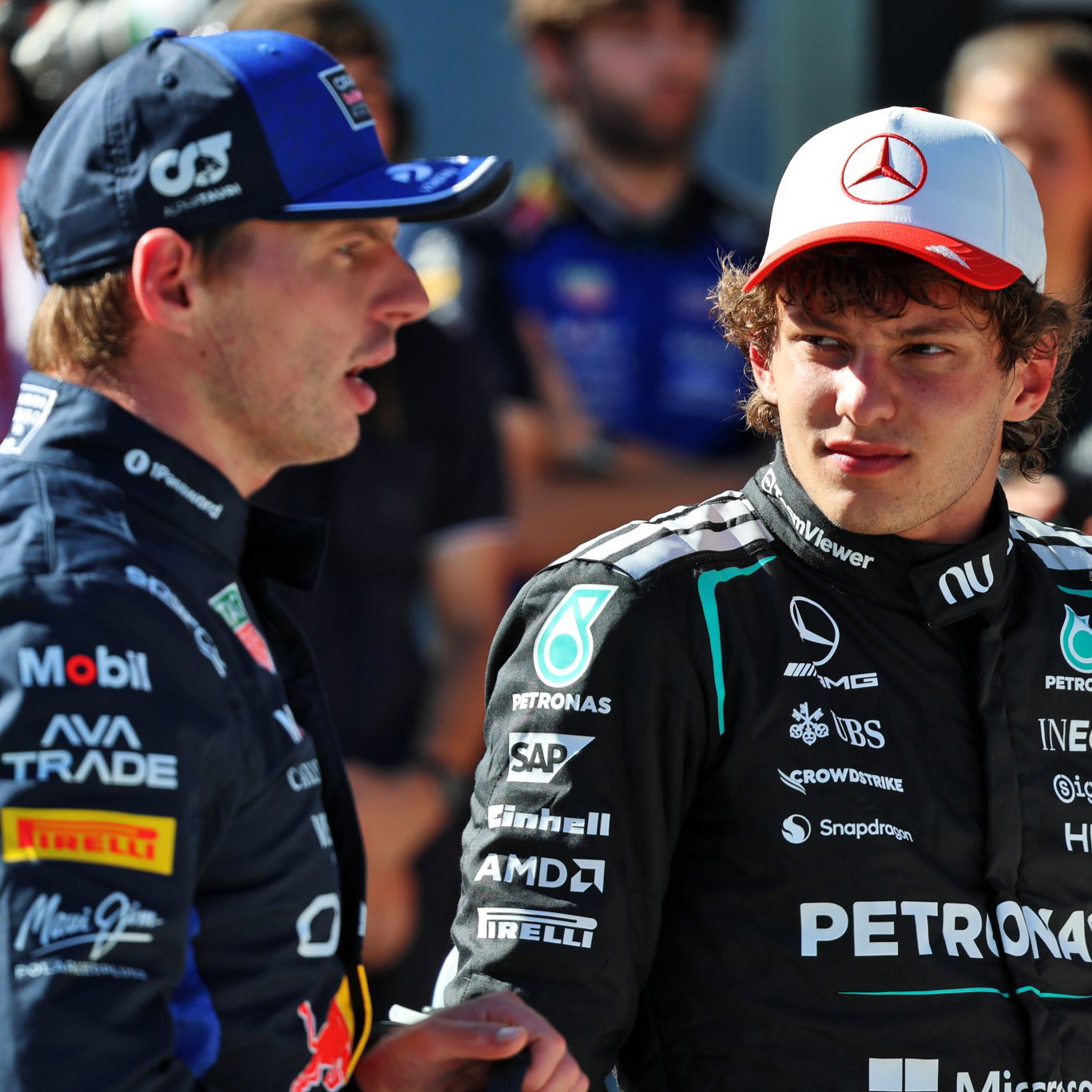
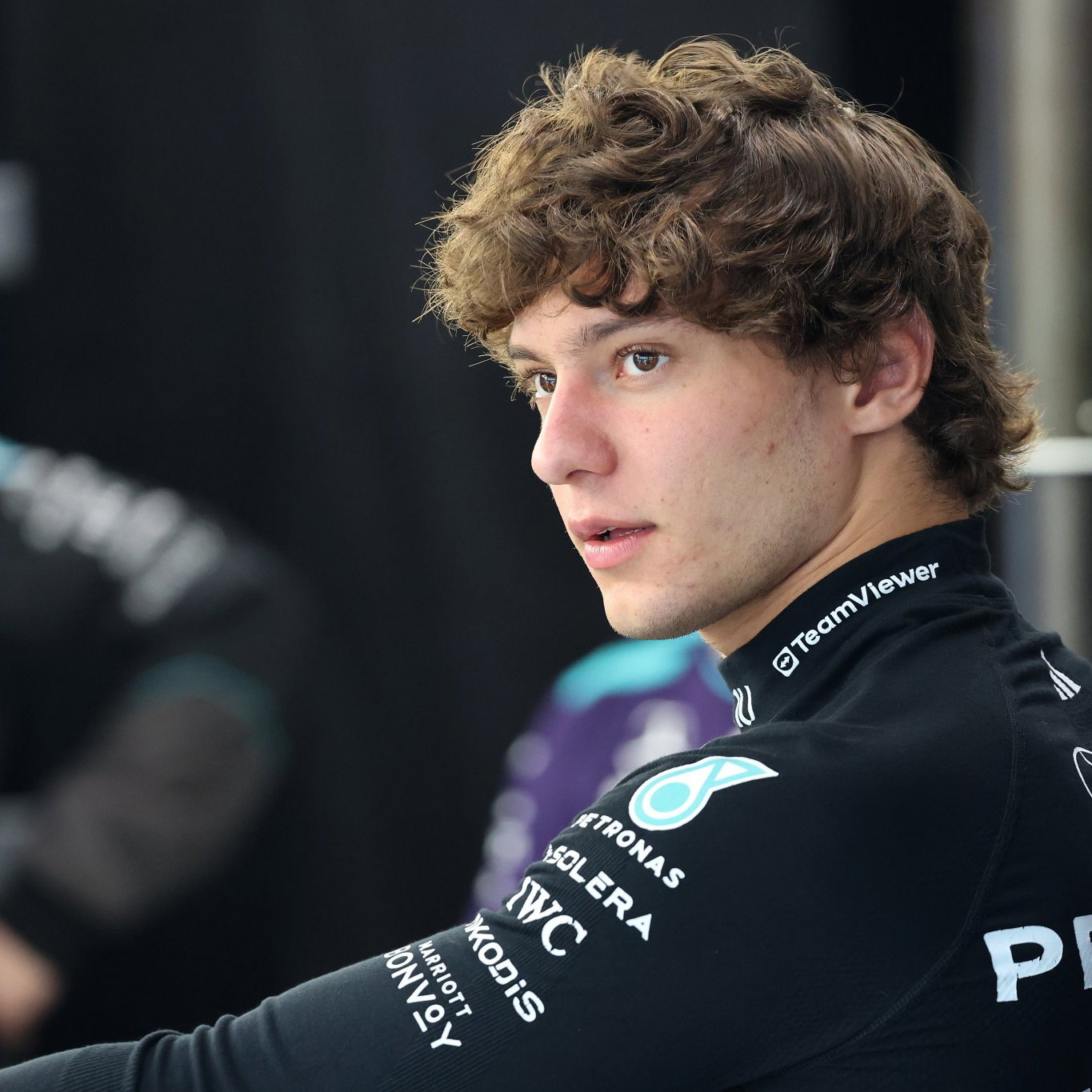
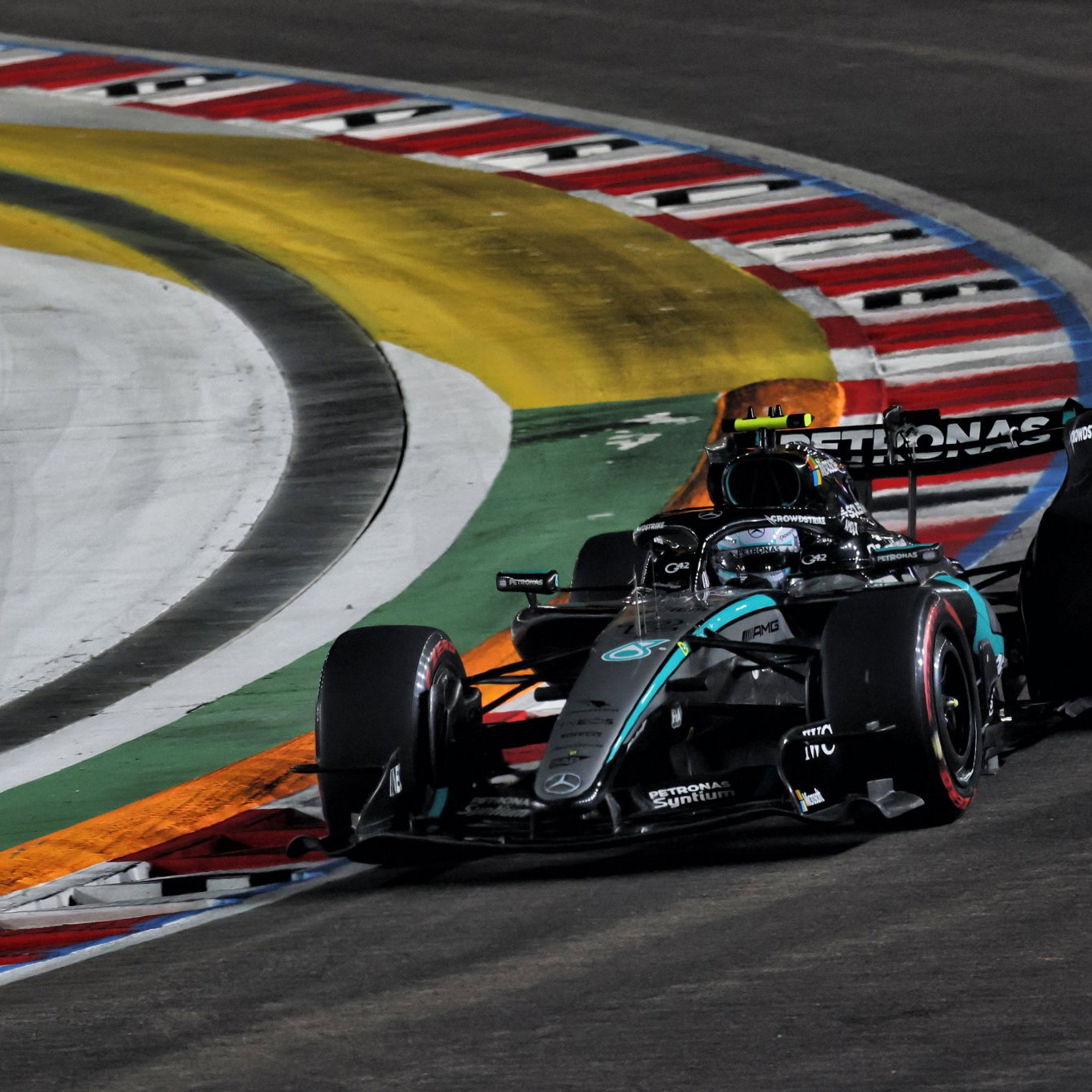
Mercedes told George Russell to allow team-mate and direct title rival Andrea Kimi Antonelli through in the closing stages after the Italian had given up track position for fresh tyres during a virtual safety car.
To avoid Antonelli potentially getting stuck behind Russell and losing crucial time with overtaking so difficult at Zandvoort, Mercedes acted decisively by using team orders to manage the situation.
Antonelli went on to finish second behind McLaren’s Lando Norris, while Russell head on to third place ahead of the chasing Ferraris.

Mercedes deputy team principal Bradley Lord insisted there was no concern about how the drivers would receive the team order, revealing the prospect had been discussed beforehand.
“Because of the early red flag and the delayed schedule, we held the full debrief on Monday rather than immediately after the race. George naturally questioned the instruction when he first received it, but he understood the wider picture,” Lord told The Nu Silver Arrows Radio Show.
“Kimi had taken the opportunity for a free stop under the Virtual Safety Car. Had George made the same stop, he would have dropped behind a Ferrari and surrendered the podium position.
"We had also been very clear in the Sunday morning strategy meeting that the field was too close for our drivers to lose time fighting one another. That discussion provided the basis for the decision.
“Had the circumstances been reversed, we would have acted in exactly the same way. The priority was to give the car in second the best chance of attacking, while giving the car in third clear air and the best opportunity to defend its position.”

Questions were raised as to why Antonelli wasn’t asked to ensure that Russell remained in Overtake Mode to boost his defence against the Ferraris behind.
Mercedes considered this but felt it would not have been as easy to pull as similar DRS [Drag Reduction System] tactics seen used in previous years.
"We discussed it. The gain was around two tenths of a second, principally on the straight, which was also where George was most vulnerable. There was a concern that trying something we had not rehearsed could cause the cars to become entangled,” trackside engineering director Andrew Shovlin explained.
“Because the lap-time gain was not enormous, we decided it was better for Kimi to move ahead cleanly and give George clear air for the best possible exit and braking performance. With these cars, you cannot follow at a two-tenths gap. Ferrari’s best chance was to gain momentum from the final corner or attack very late under braking.
“George’s defence was extremely impressive. You might not have given him even a 50 per cent chance of keeping both Ferraris behind. The Virtual Safety Car helped cool the situation for a lap or two and allowed him to manage his energy, but he executed the defence superbly.”
Lord added: “DRS was a more predictable tool for this type of tactic. Energy deployment is less predictable, and Zandvoort was also easier to overtake at than Singapore was in the race where that DRS tactic became famous.”

Lewis regularly attends Grands Prix for Crash.net around the world. Often reporting on the action from the ground, Lewis tells the stories of the people who matter in the sport.