Charles Leclerc Madrid concern: Ferrari's previous F1 injury substitutes
Ferrari has been forced to alter it's line-up on numerous previous ocassions.

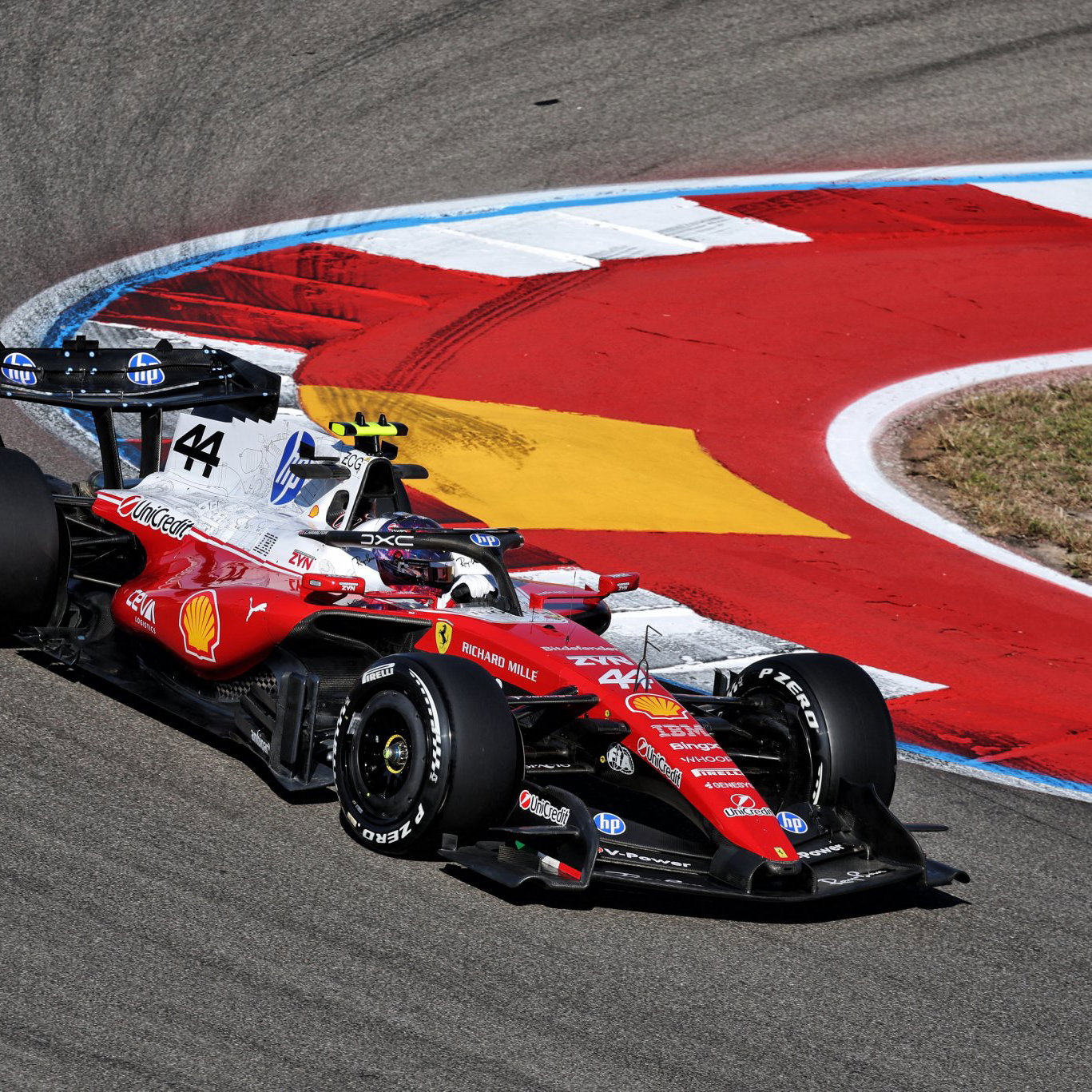
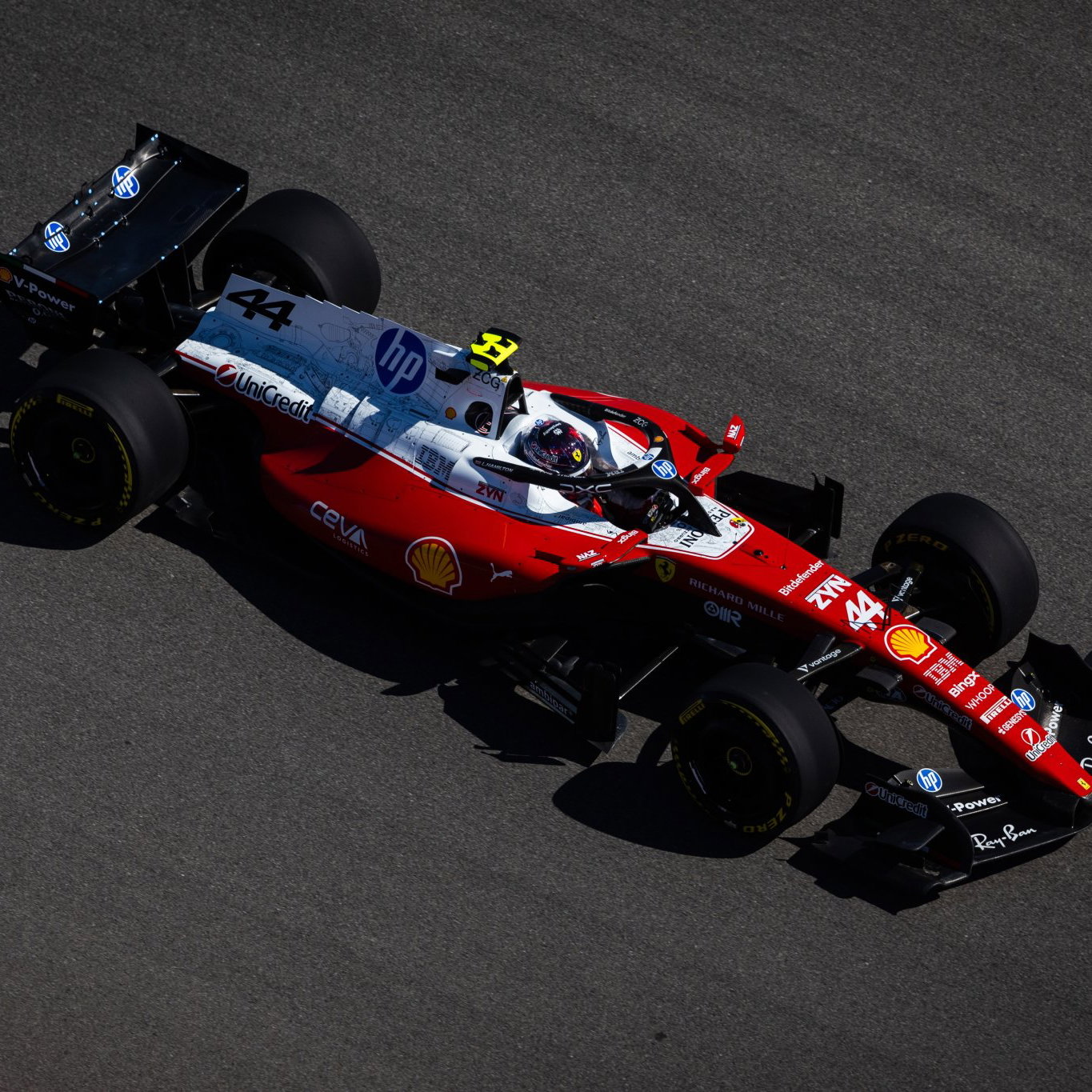
Charles Leclerc reported that he had suffered physical injuries following his heavy shunt at the Italian Grand Prix, and with Ferrari having backup options on standby in Madrid, Crash.net looks back at the previous times when Ferrari has been forced to make a change.
Ferrari is far from alone in having needed to replace a driver due to ill health, injury, or worse. The 2020 season which was heavily affected by the Covid-19 pandemic is a prime example of this, with teams throughout the paddock being forced to adapt with minimal notice.
Here are the previous 11 in-season changes that Ferrari has made throughout its Formula 1 history. It should also be noted that, in 1989, Ferrari approached Mario Andretti to replace Gerhard Berger following a horrific crash at Imola, but he declined, so Ferrari ran as a single-car entry in Monaco.
1957: Wolfgang von Trips for Cesare Perdisa
Although Wolfgang von Trips would become a recurring driver for Ferrari in 1957, this was not originally the plan, with Cesare Perdisa set to have the cockpit. However, a heavy crash in pre-season testing at Modena saw Perdisa elect to retire from racing.
Von Trips was brought in for the opening round, and the rest, as they say, is history.
1968: Derek Bell for Andrea de Adamich
The early days of F1 were fraught with danger, and Andrea de Adamich was one of many drivers to suffer during this period. Competing in the non-championship Race of Champions, the Italian suffered a severe neck injury and was forced out of the season.
At this point, Ferrari was running three cars in the championship, and while Chris Amon and Jacky Ickx continued, it was not until the ninth round, the Italian Grand Prix, that Derek Bell was brought in to restore the team to its full complement.

1972: Arturo Merzario for Clay Regazzoni
Sportspeople trying out other sports does not often end well, and this was the case for Regazzoni, when he broke his arm playing football in 1972. As a result, Merzario was granted his F1 debut, finishing in sixth place at the British Grand Prix and 12th in Germany.
Although the Italian would continue to enjoy a moderate F1 career, there were very few higher peaks than that achieved on his debut.
1976: Carlos Reutemann for Niki Lauda
Carlos Reutemann is somewhat of a strange entry on this list, as while he was hired to race in place of Niki Lauda following the Austrian's horrific crash at the Nurburgring, it transpired that he was not so much of a replacement as an addition.
Lauda had recovered far quicker than expected, and after running only Clay Regazzoni in the 12th round of the year, the team ended up fielding three cars at the Italian Grand Prix, having taken Ruetemann from Martini Racing.
1982: Patrick Tambay for Gilles Villeneuve
The first of two replacements for Ferrari in 1982, Patrick Tambay was called up to fill the cockpit of the legendary Gilles Villeneuve, who had died in a crash at the Belgian Grand Prix.
Tambay would join Ferrari several events later, making his debut at Zandvoort. He enjoyed a positive season, climbing to seventh in the standings and scoring victory at the German Grand Prix.
He continued racing for Ferrari in 1983, before moving to Renault, and later to Team Haas.
1982: Mario Andretti for Didier Pironi
Andretti was pulled out of his semi-retirement after Pironi suffered a career-ending injury at the German Grand Prix. He took a memorable pole position at Monza, but this would be his last F1 involvement before switching focus to IndyCar and sportscar racing.

1994: Nicola Larini for Jean Alesi
Nicola Larini completed two races for Ferrari in 1994 after Jean Alesi suffered a severe neck injury during a test at Mugello. Stepping in for two races, Larini scored the best result of his career at the tragic San Marino Grand Prix, finishing in second place on the weekend that took the lives of both Roland Ratzenberger and Ayrton Senna.
Larini's F1 career was already at its end before he made these appearances, with his last outings also coming with Ferrari in 1992, as the team replaced the underperforming Ivan Capelli for the final two rounds.
1999: Mika Salo for Michael Schumacher
Mika Salo was the ultimate super-sub in 1999, standing in for Michael Schumacher at six race weekends after the German broke his lower right leg on the opening lap of the British Grand Prix, having already stood in for Ricardo Zonta at three races for BAR.
Salo played the team game and supported Eddie Irvine's unlikely title bid, recording career-best finishes of second and third places, at the German and Italian grands prix - although these would be his only points scores. The German round saw Salo prove his mentality as a team player, as he sacrificed a seemingly certain victory to allow Irvine through. The Finn would go on to race with Sauber and Toyota, before switching to sportscars.
2009: Luca Badoer for Felipe Massa
Felipe Massa sustained serious head injuries after a spring from the Brawn GP car of Rubens Barrichello struck his helmet at the Hungarian Grand Prix. Facing life-threatening injuries, Ferrari turned to test driver and former Minardi driver Luca Badoer for cover. The team had initially approached Schumacher with regard to a return, but a test in the team's 2007 car showed that the German was carrying a neck injury, and forced the back up option to be called into play.
Badoer contested two races in Europe and Belgium, and proved to be a long way off the pace, finishing in 17th and 14th places. He would quickly be replaced, which brings us to the next entry.

2009: Giancarlo Fisichella for Felipe Massa
Giancarlo Fisichella replaced Luca Badoer after Massa's initial replacement proved to be woefully off the pace in the two races he contested. Fisichella had been racing for Force India throughout the season, but the team did not stand in his way from living out his dream, as an Italian driver racing for Ferrari. Making his debut at Monza, Fisichella would not score a point across his five races for the team, but his results were a marked improvement on those of his predecessor.
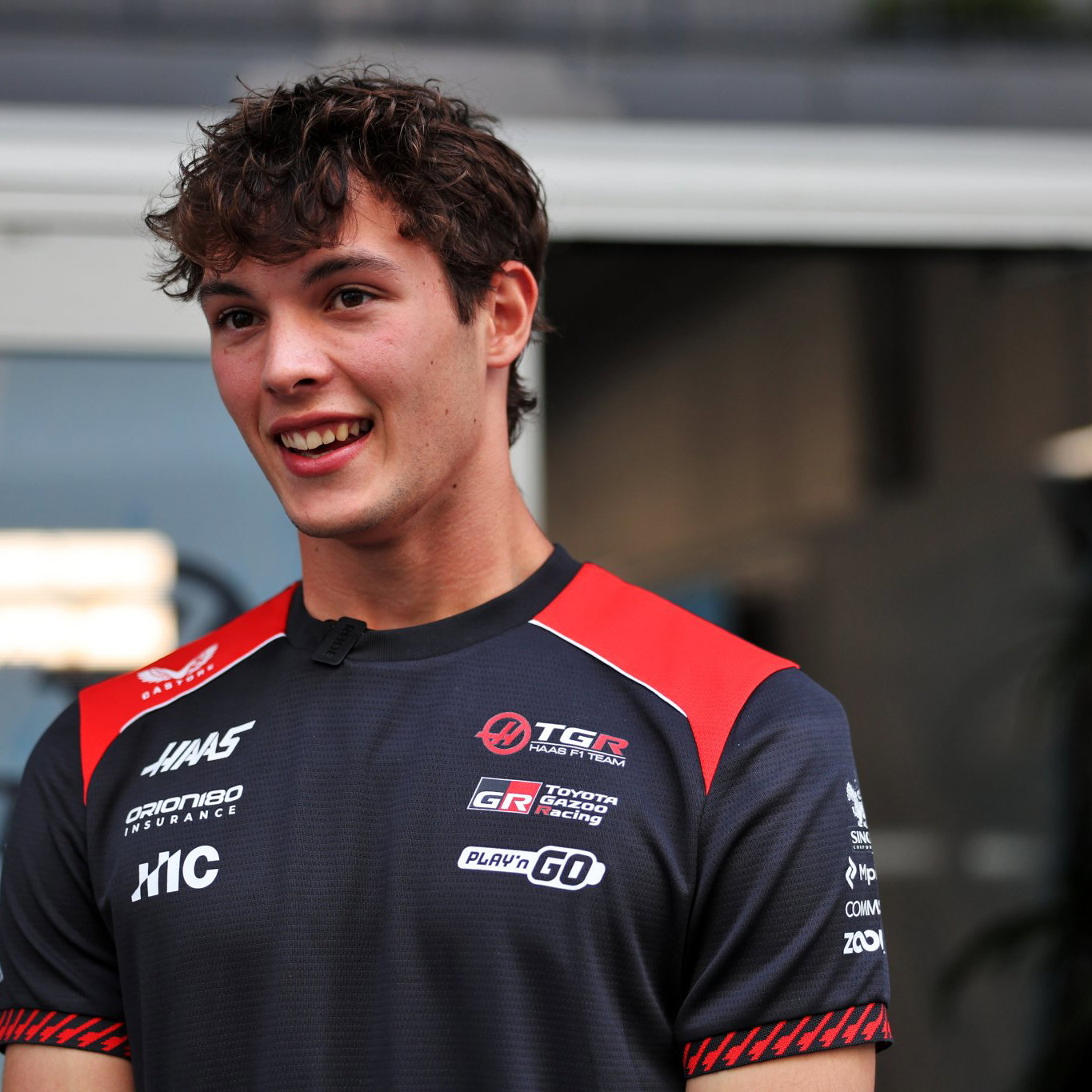
2024: Ollie Bearman for Carlos Sainz
Ollie Bearman had not yet made his F1 debut when he was given the call by Ferrari for the 2024 Saudi Arabian Grand Prix. Carlos Sainz had been diagnosed with appendicitis and needed treatment, so the Briton was plucked from his F2 driver - where he had just taken pole position - and was thrown into the deep end.
Bearman impressed throughout the weekend, finishing in seventh place, despite having minimal practice time and racing in a car that was entirely unfamiliar to him.


Sam joined Crash.net in February 2026 with extensive experience in motorsport media, having covered numerous championships around the world.