Mohammed Ben Sulayem wants to abolish FIA presidency rule in latest controversial move
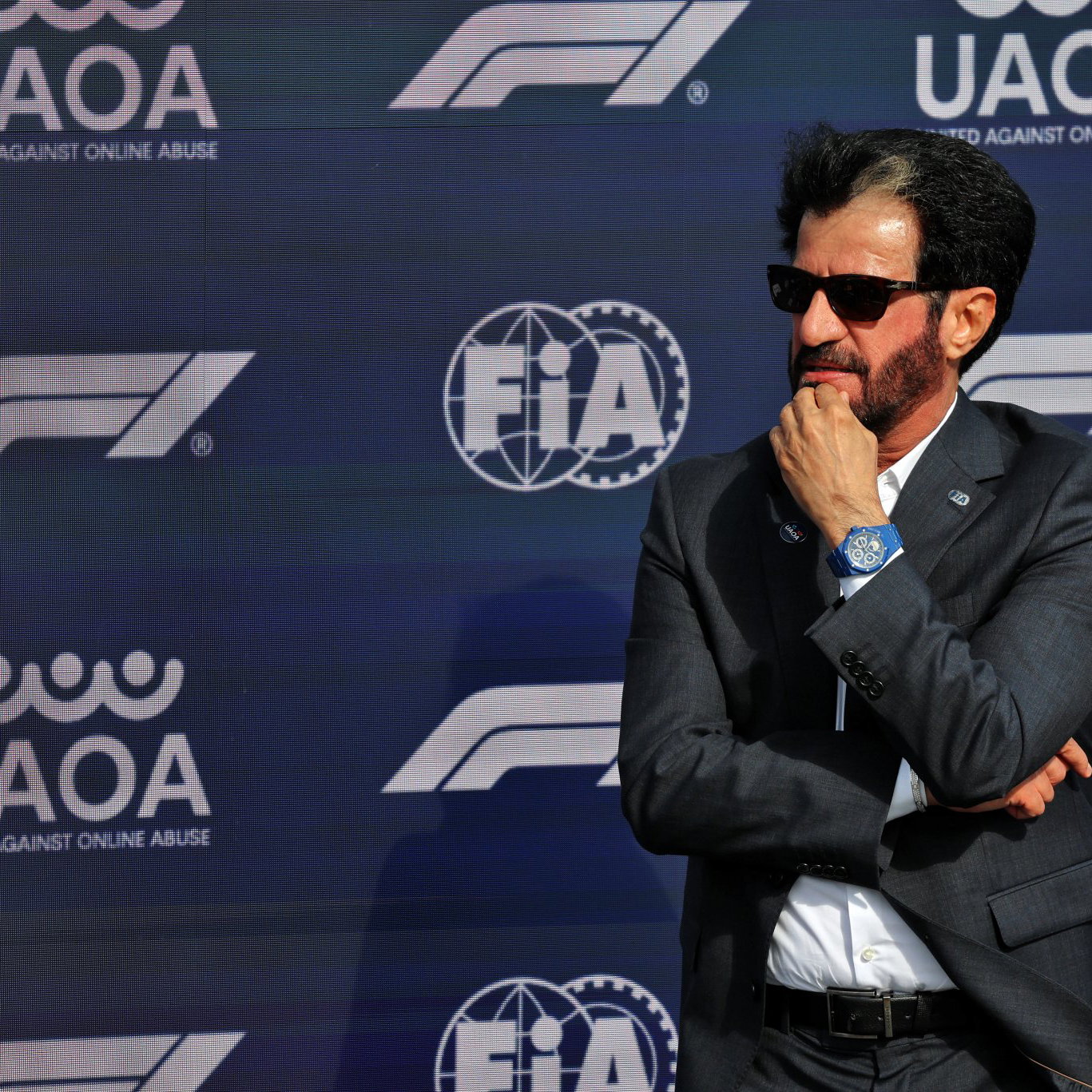
Mohammed Ben Sulayem is looking to change the rules around FIA presidency.

FIA president Mohammed Ben Sulayem has proposed to scrap term limits for the role he holds.
That is according to BBC Sport, who report that the 64-year-old Emirati is looking to continue as FIA president beyond the existing 12-year limit.
Ben Sulayem, who replaced Jean Todt at the end of 2021, was re-elected for a second term in office in December after a quirk in the rules enabled him to stand unopposed.

Despite campaigns from former F1 steward Tim Mayer, as well as Laura Villars and Virginie Philipott signalling an intention to stand, they were forced to withdraw their candidacies.
This was because FIA election rules dictate that every candidate must name one person from all the FIA global regions. However, the only South American on the list was already part of Ben Sulayem’s team.
Under the current rules a presidential term can not go beyond four years and a candidate can only stand for re-election twice. This means that a maximum of three terms can be served.
But Ben Sulayem wants to abolish this rule so that he can continue as FIA president beyond that timeline.
BBC Sport suggests that the proposal is expected to be passed by members during a vote at next month’s FIA General Assembly.
"A proposal has been put forward to establish a consistent approach to tenure across all FIA bodies, similar to what currently exists for the world councils and the senate,” an FIA spokesperson said, as per the BBC.
"The proposal is subject to approval by the World Councils and by the General Assembly. FIA bodies retain full authority to democratically elect officeholders.”

Ben Sulayem has had a controversial reign as F1 president, leading to the departures of senior figures amid internal disputes.
He has also clashed with F1 drivers over rules regarding the wearing of jewellery and swearing.
After Max Verstappen and Charles Leclerc were punished for swearing, F1 drivers wrote a letter to the sport’s governing body asking to be treated like adults.

Lewis regularly attends Grands Prix for Crash.net around the world. Often reporting on the action from the ground, Lewis tells the stories of the people who matter in the sport.