Aston Martin’s ‘phase one’ upgrade looks ominous for the F1 midfield
Aston Martin debuted the first part of its major Formula 1 upgrade package at the Hungarian Grand Prix, with the B-spec car making a significant stride into the midfield.

Aston Martin has come under increasing fire in recent months for taking what appeared to be needless pain by withholding upgrades until a single large package could be fielded.
In the races leading up to Hungary, most notably those at Silverstone and Spa-Francorchamps after the planned launch date had been confirmed, this decision seemed particularly bone-headed, with the team approaching six seconds off the pole-setting pace in qualifying and resigned to being at the back of the race, barring any chaotic goings on. To make things worse still, Aston Martin had even dropped several seconds back on next-slowest team, Cadillac.
Providing some background, Aston Martin had entered the 2026 season looking to vault itself into the mix with the perceived big teams. Admittedly, the team was not alone in this ambition, but with significant investments in facilities and personnel, including signing the legendary championship-winning designer Adrian Newey from Red Bull, up until the Hungarian weekend, the season had been nothing short of embarrassing.

With all this in mind, there was an unimaginable amount riding on this upgrade being a success. We even made a video on the topic, suggesting that senior management changes could be in store had the package failed to live up to the hype.
Did Aston Martin deliver with its Hungary upgrades?
Friday was never going to be the day upon which to judge Aston Martin’s progress, with massive amounts of running needed to confirm the aerodynamic correlation between the wind tunnel and the track, as well as the need for drivers just to get a feel of the new machinery.
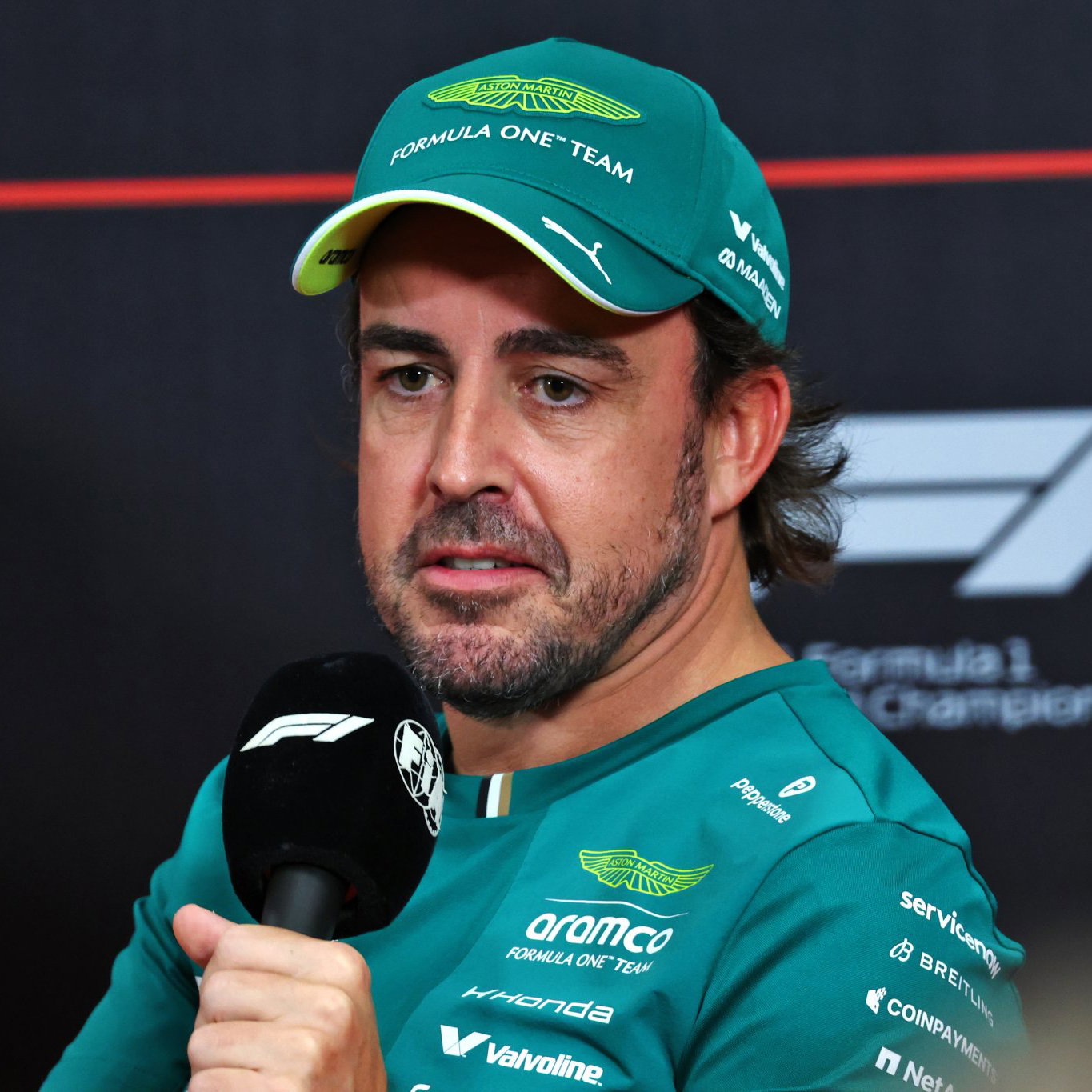
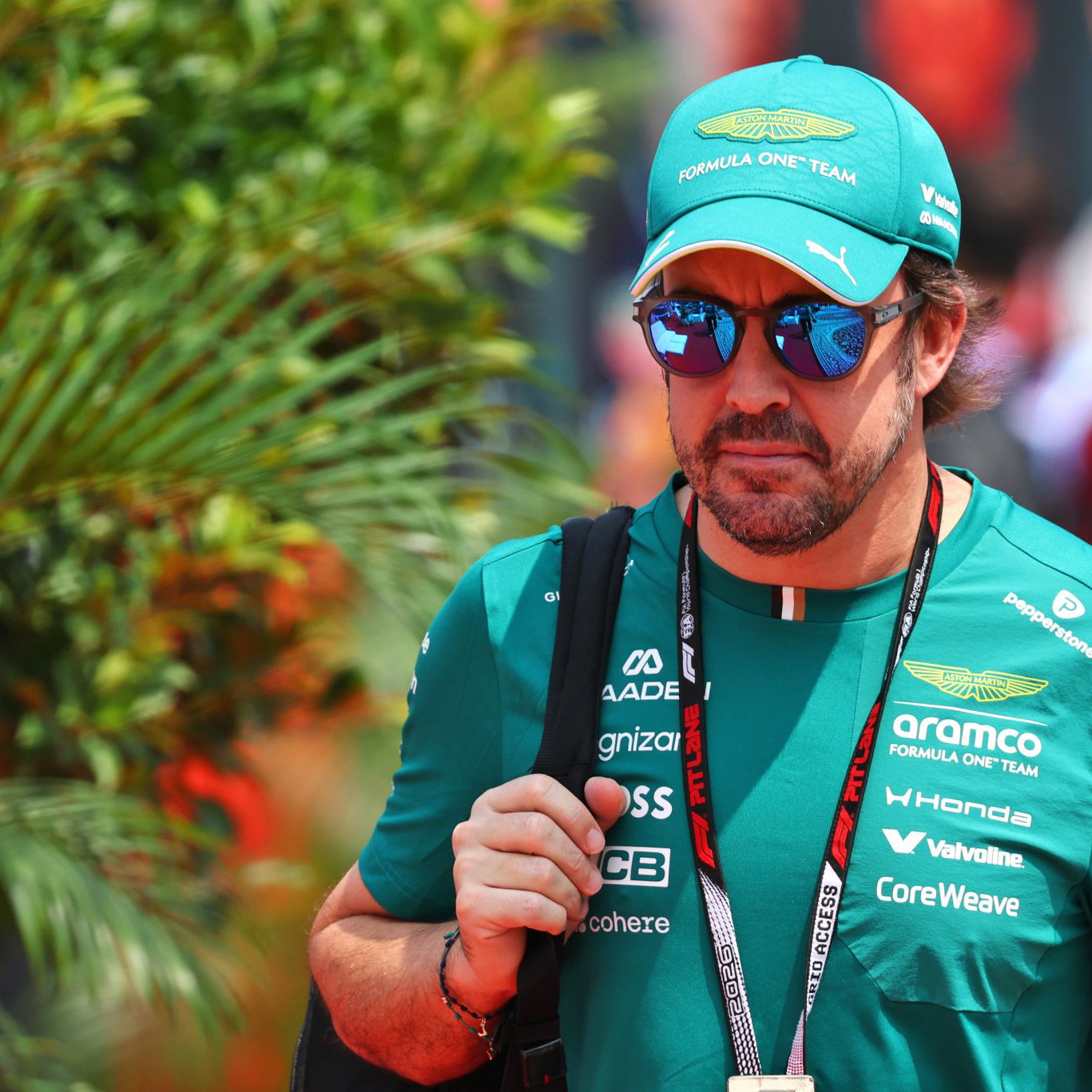
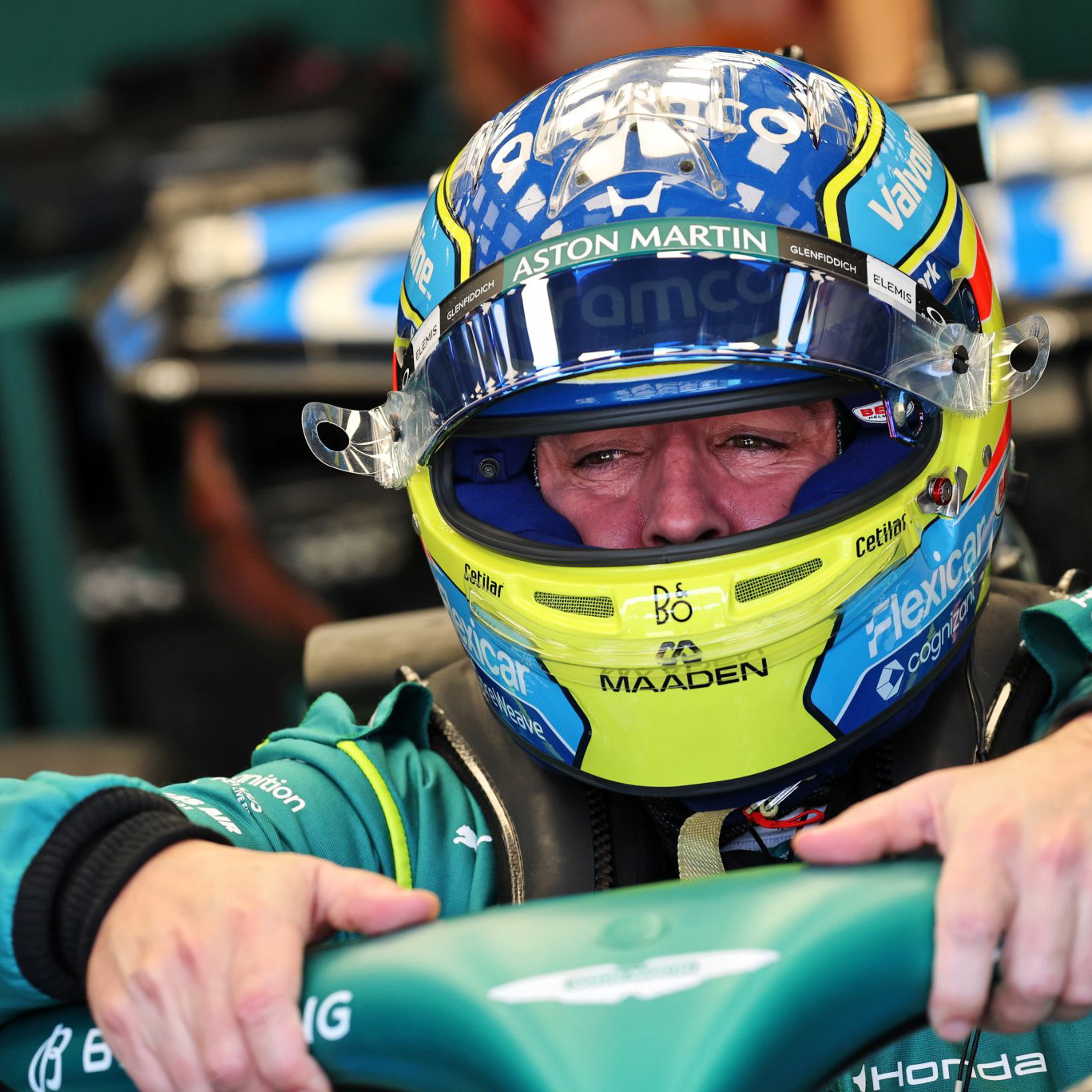
So while Fernando Alonso was able to go 13th fastest in FP1, there was little more than a nod of approval coming from our direction. Similarly, there was no sudden reaction when the Spaniard was back down to 19th place in FP2, or when Lance Stroll suffered a suspension failure in the opening session, which put him out of action for the remainder of the day. A new car will always have teething problems and, as it transpired, the part that failed had nothing to do with the upgrade.
Indeed, even a single weekend is not enough to form any concrete conclusions, but it must be said that the initial impressions are positive, and if this is the first step, then those in the midfield, likely even towards the front of the midfield, should beware.

Escaping Q1 may not sound like it is a fairly difficult task, and this may well be true for some teams, but Aston Martin had not achieved the feat all season until Alonso squeaked through on Saturday. It can not be overstated how much of a milestone this was. From being several seconds off the pace of Cadillac, to mixing it with the Haas and Alpine cars – leapfrogging Williams along the way.
But one lap pace is only half of the puzzle. In Hungary, Aston Martin showed that race pace is no longer a problem either.
Ignoring the more than slightly fortuitous point scored by Alonso in Monaco, the team scored comfortably its best result of the year, with Stroll in 13th place and Alonso in 14th. Given that only the two Cadillacs and Oscar Piastri retired, and there were minimal interruptions from the virtual safety car, this was a genuine result, and not the product of some freak occurrence.
Aston Martin promised, and Aston Martin most certainly delivered.
Why should the F1 midfield be worried?
Adrian Newey has a history of designing cars that get off to a difficult start and then come good somewhere down the line. But this can also be said for Honda and its power units, with the McLaren fiasco of 2015 highlighting a similar low point, but a dominant spell with Red Bull in the early 2020s showcasing the other extreme.

Following the Hungarian weekend, Cadillac driver Valtteri Bottas suggested that the twisty nature of the Hungaroring may have given a slightly false read of where Aston Martin currently sits, as he believes that the cars lack straight-line speed, something that could become clearer next time out in Zandvoort.
However, the team will be running with a new Honda power unit by that point, taking advantage of a significant ADUO allowance to make major improvements.
Aston Martin will get its first taste of the new power unit at a filming day in Hungary this week, and if the improvements are in any way as powerful as the aerodynamic upgrades have proven to be, then the top 10 is really not beyond the team.
It should be acknowledged that just because Aston Martin is finally bringing upgrades, rival teams are not suddenly sitting still. But while this may temper expectations ever so slightly, you can be certain that the likes of Audi and Racing Bulls will be looking over their shoulders with a great deal of concern at what could be about to hit them.

Sam joined Crash.net in February 2026 with extensive experience in motorsport media, having covered numerous championships around the world.