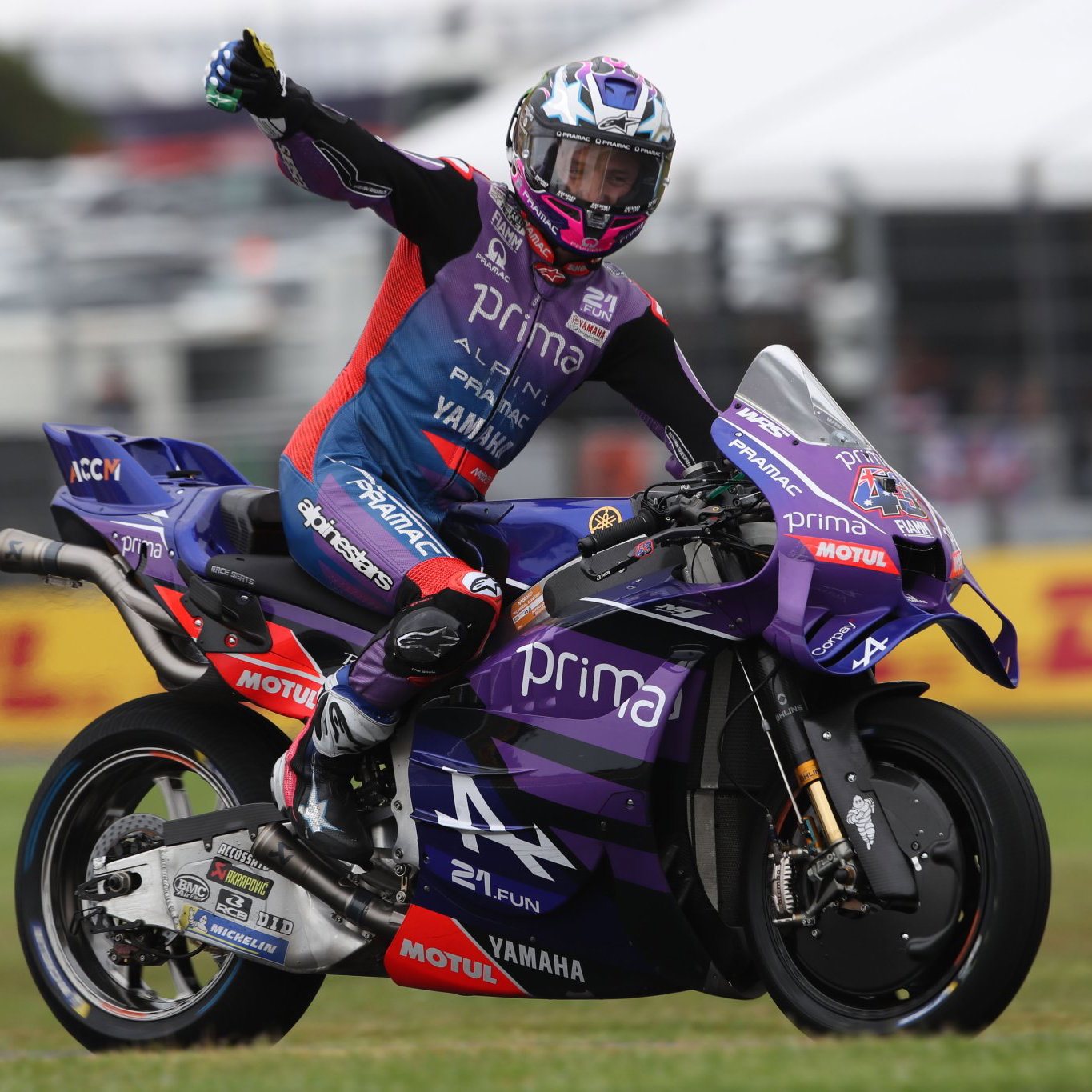
Jack Miller explains “the way it works with V4 vs Inline” in MotoGP
Jack Miller explains why the "sharp turn" to a V4 MotoGP project was needed to address Yamaha's rear grip issues.

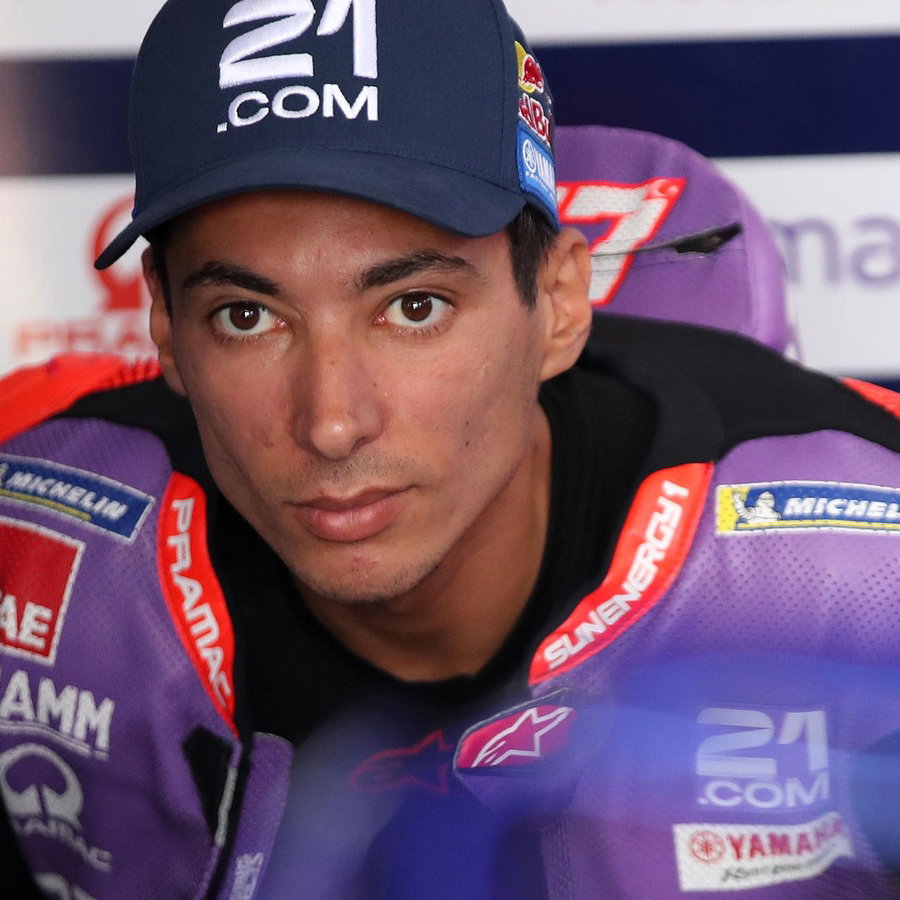
Jack Miller believes fundamental differences in weight distribution meant Yamaha had to make a “sharp turn” and switch to a V4 engine in MotoGP.
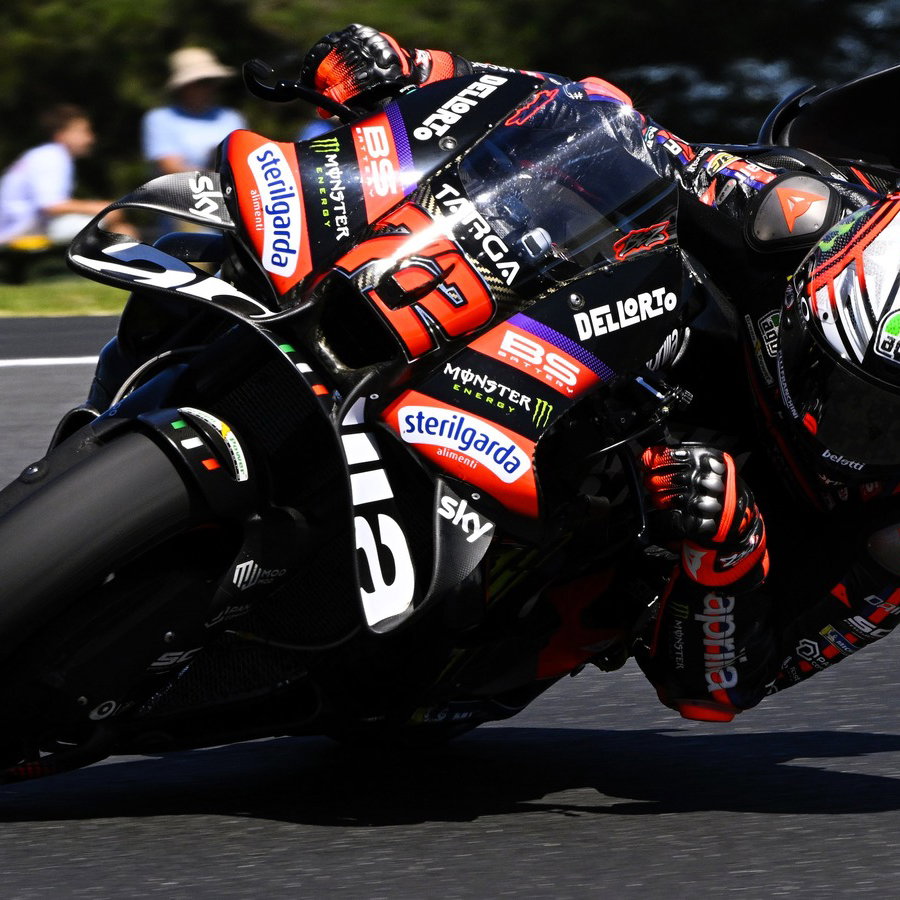
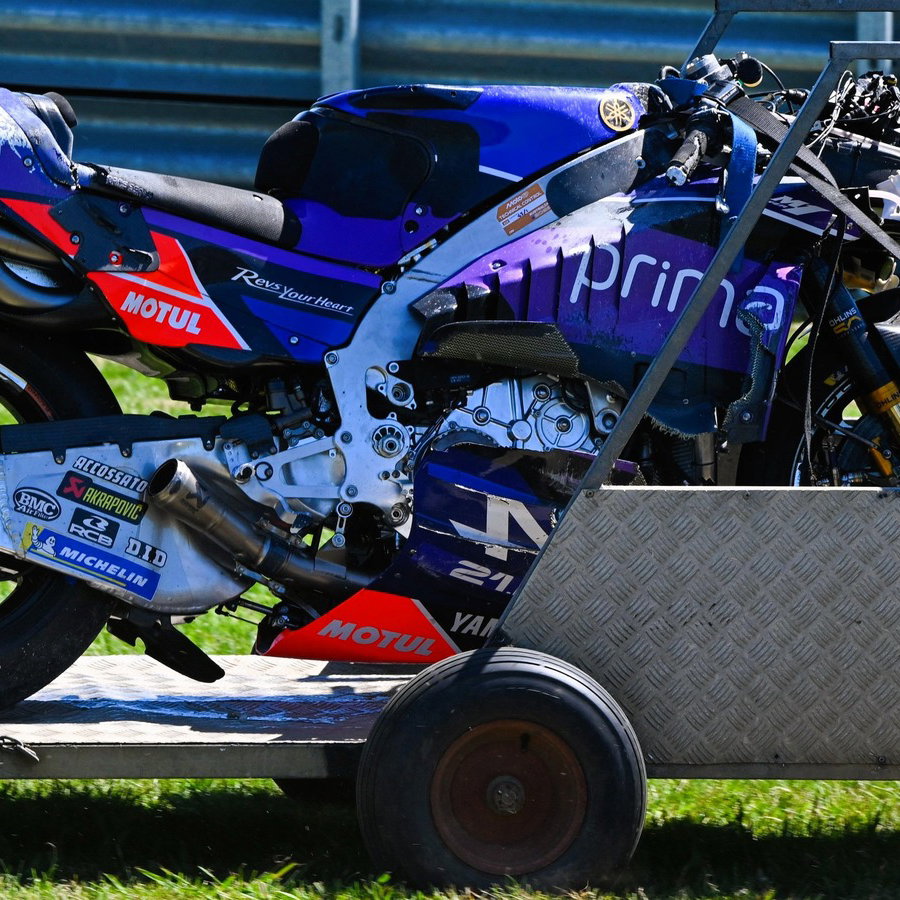
Yamaha has run an Inline-powered M1 throughout the modern four-stroke era, which replaced the 500cc two-strokes in 2002.
The design delivered eight MotoGP titles with Valentino Rossi, Jorge Lorenzo and most recently Fabio Quartararo in 2021. But the Inline package has not won a race since mid-2022 as the European factories surged ahead.
“We have a bike that is solid on the front end, does not wheelie too much and obviously turns really well,” Miller said of the Inline machine’s strengths.
“And if it does wheelie or something, then it is not too bad because our weight distribution is a lot more over the front than the other bikes.”
But that front-heavy characteristic comes at the expense of all-important rear grip, increasingly decisive with the latest generation of Michelin rubber.
“There’s all four cylinders over the front tyre [with an Inline], so no matter what you do with the fuel tank [position, the weight is] going over the front anyway,” explained the Pramac rider, a race winner on Honda and Ducati V4s, and podium finisher on the KTM V4.
“That [rear] bank of cylinders [on the V4] means everything moves back a bit more. It’s just the layout and the way everything fits. That’s the way it works with the V4 versus an Inline.”
While Quartararo claimed five pole positions, returned to the podium and should have won the British MotoGP before a ride-height device failure, the Frenchman still finished only ninth in the world championship.
Miller was the next-best Yamaha rider in the standings, in just 17th.
“The issues with the Inline project were not getting solved, so it takes a sharp turn like they have done with the V4,” Miller said.
Yamaha’s decision to divert resources towards the all-new V4 prototype inevitably slowed development of the Inline package in its final season.
Miller felt the trade-off was the correct one once the V4 began to show promise with its rear-grip potential.
“Obviously, we got a different chassis and this, that and the other during the season,” he said. “We had different things, don’t get me wrong, but pretty much when the V4 was tested, and headway was being made with the issues we've got with the Inline bike, it’s OK to focus the energy over there.
“Time slows down for no man, and they have been busting their arse to have lots of V4 bikes ready for us in Valencia.
“So I think it would not have been feasible for any manufacturer to be developing one bike [as normal] as well as [the new V4]. The amount of manpower you would need to do that is impossible.”
Yamaha, which finished last in the 2025 constructors' standings, will be the only manufacturer still in the D concession ranking for 2026, allowing access to the full range of technical perks.
With all five manufacturers now using V4s, Alex Rins' Valencia 2022 victory for Suzuki is set to remain the last win by an Inline engine for the foreseeable future.

Peter has been in the paddock for 20 years and has seen Valentino Rossi come and go. He is at the forefront of the Suzuki exit story and Marc Marquez’s injury issues.