Devices "play a big role” in MotoGP first-corner crashes
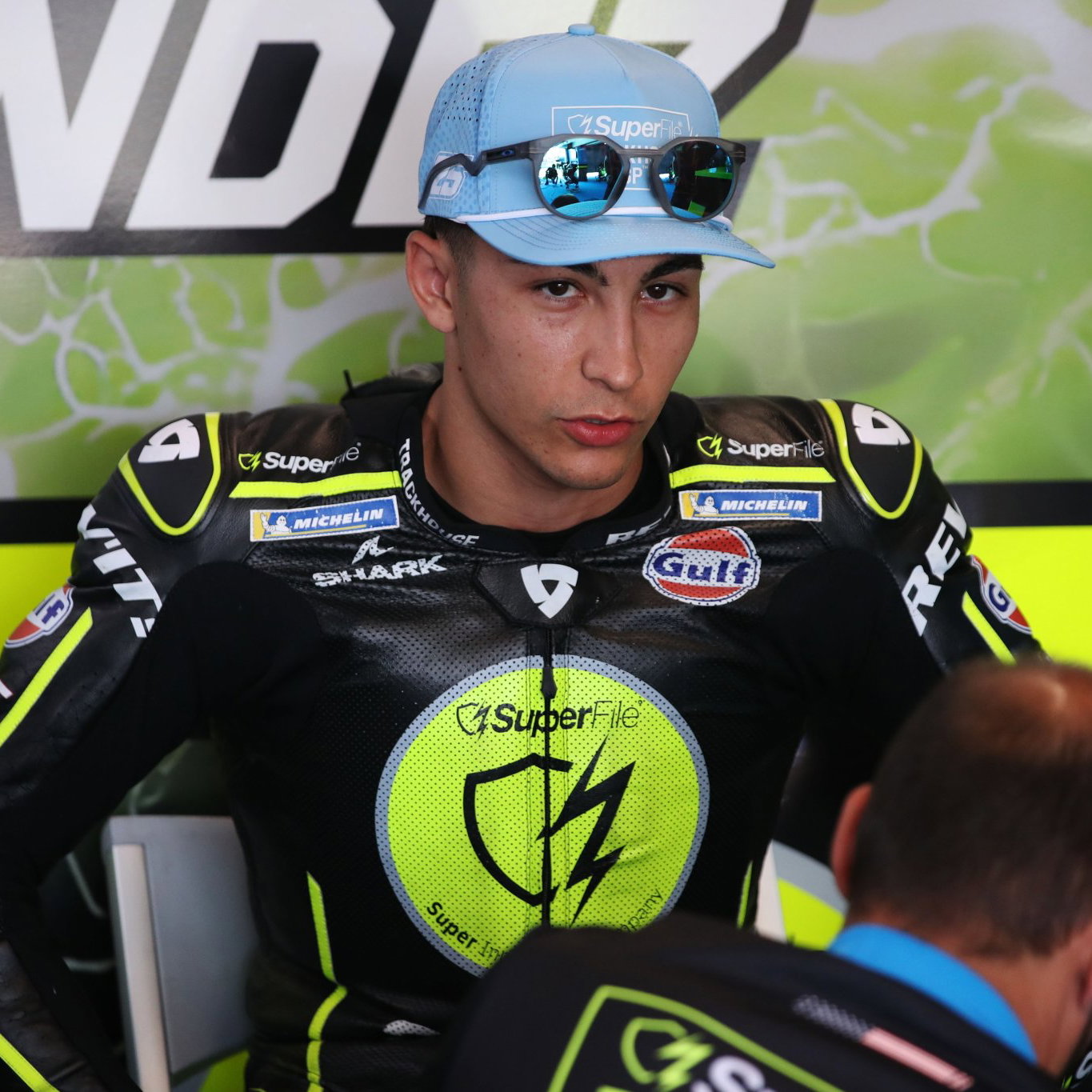
Maverick Vinales explains why he believes ride-height devices play a 'big role' in first corner accidents.

Maverick Vinales is among the riders who feel that holeshot devices increase the risk of first-turn MotoGP accidents.
It’s not the added acceleration performance provided by the lowering devices that Vinales believes is the main issue.
Instead, it’s the erratic braking caused by riders trying to ensure the systems disengage at turn one - especially if an initial attempt doesn’t work.

“For me, the devices play a big role, because to disengage the front you need to brake really hard,” Vinales said.
“And sometimes [if it doesn’t work] you need to release the brake, then go a little bit more and brake again.
“So, just by removing the devices, I think we will improve quite a lot.”
All ride-height devices will be prohibited from the end of this season.
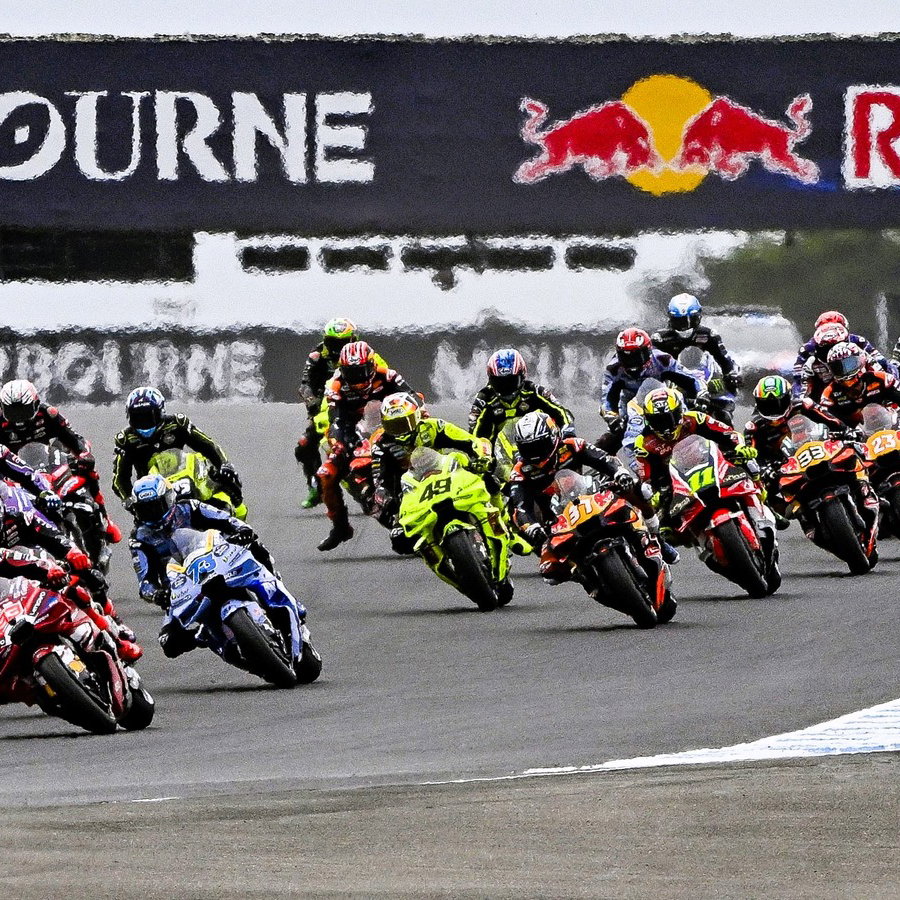
However, MotoGP is considering an immediate ban in the aftermath of Catalunya, and the topic was again raised after Sunday’s incident at Balaton Park.
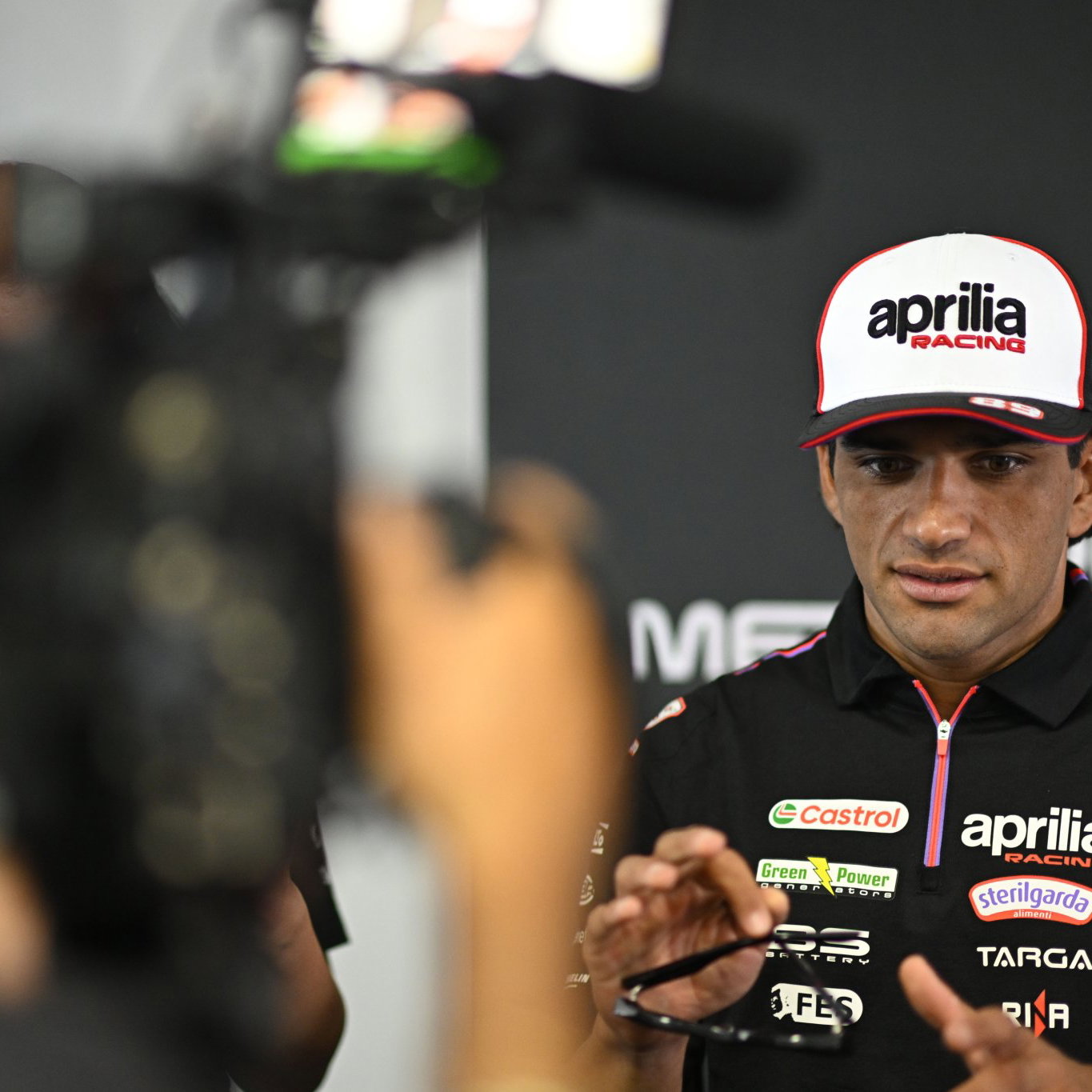
Aprilia’s Massimo Rivola, whose rider Jorge Martin caused the Balaton incident, warned of the dangers of overreacting.

“We are speaking with MotoGP to see what is good to improve the safety. Historically I’m against any kind of devices, but I don't like to overreact,” Rivola said.
“I think we should do things properly, because if before [Sunday’s Balaton Park] race we banned the device and you still saw this kind of crash, we start saying, ‘ah, the [holeshot] device was safer!'
“So I think we need to do things properly, testing a few times how it works without it.
“Making less density at the first corner may help, but overreacting is the easy mistake that we can make. So we need to be careful.”
The ‘less density’ concept refers to a proposed switch to an F1-style starting grid of two riders per row, instead of the present three.

Peter has been in the paddock for 20 years and has seen Valentino Rossi come and go. He is at the forefront of the Suzuki exit story and Marc Marquez’s injury issues.