Isle of Man TT announces end of Supertwin era
The Supertwin era will officially close on the Isle of Man TT in 2027

Isle of Man TT organisers have confirmed that Supertwin-spec machines will no longer race at the TT in 2027.
This comes after a full switch to sportbike machinery for 2027 has been confirmed, with sustainability, parity, and manufacturer engagement mentioned as clear reasons for the change.
The TT’s announcement will close the door on what has been a multi-year transition dating back to 2024.
It also means that supertwin-spec motorcycles are set to be absent from the TT schedule for the first time since 2012.

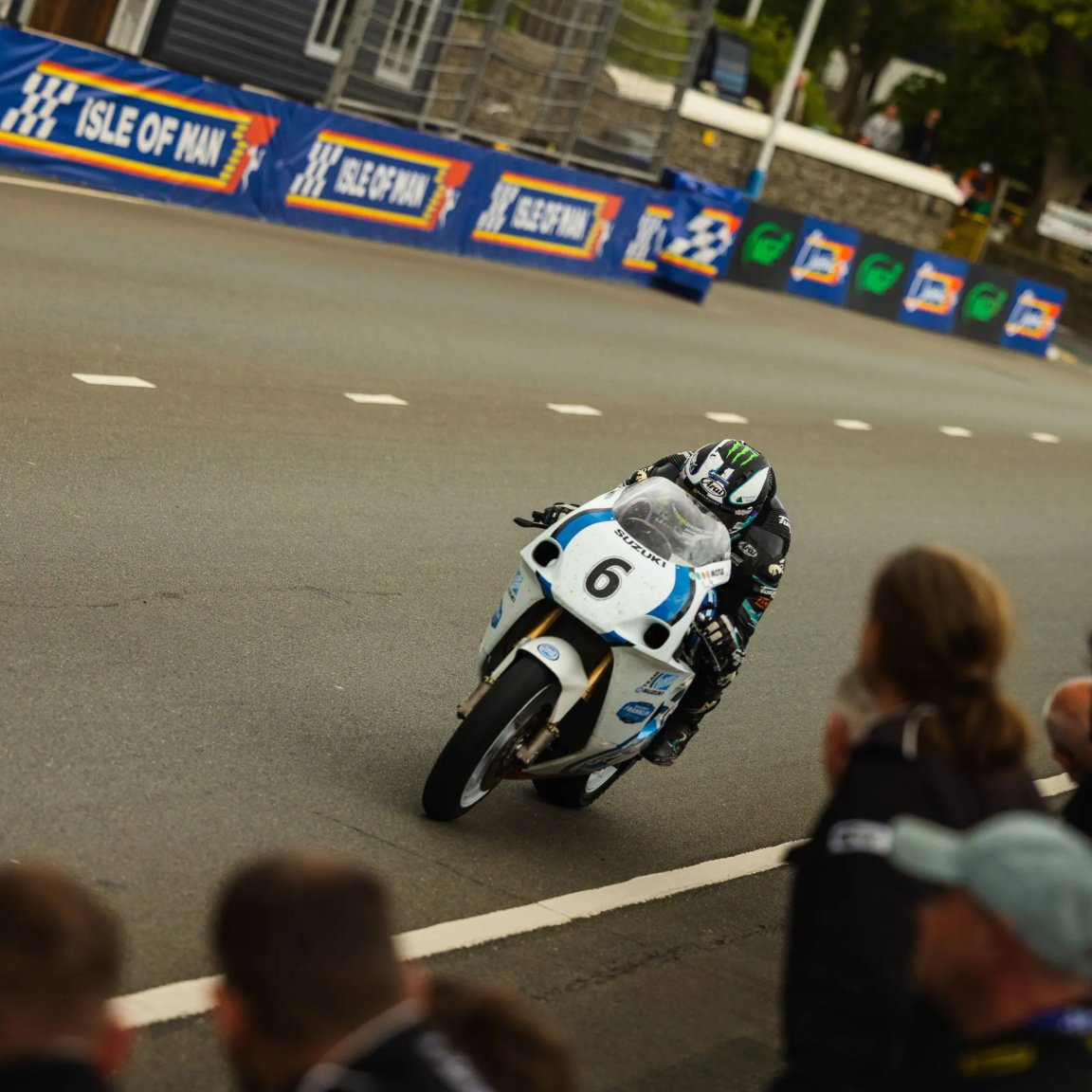
2026 marked the first time that modern Sportbike machines have raced at the Isle of Man TT, which took place as part of a phased introduction alongside the established supertwins.
The top six positions during the Sportbike TT were covered by riders using supertwin-spec bikes, including race winner Michael Dunlop.
Dominic Herbertson was the top-placed sportbike rider, taking seventh place in the mixed field.
Supertwins were originally introduced under the Lightweight TT banner, although the transition to sportbike machinery is expected to offer “long-term” health to the class that it has not had for some time.
Sustainability, Parity, and Manufacturer Engagement

Sportbike machines operate under much tighter regulations than supertwins, which is expected to reduce build and running costs for both teams and privateers at the TT.
Sportbike machines also use a Balance of Performance (BoP) system, which has already delivered close and competitive racing between different machines and brands, as well as different championships.
Technical parity and commercial relevance has already sparked significant interest from major motorcycle manufacturers, according to organisers of the TT, several of which have been directly involved with teams in recent months.
The TT’s Sportbike technical regulations will look very similar to the ones used in the UK’s National Sportbike Championship.
Minor TT-specific modifications will be permitted for sportbike teams, allowing the class to take the same approach used in the Superstock class.

Ed Wilson, Head of Sport for the Isle of Man TT Races, said: “The full adoption of Sportbike regulations for 2027 represents an exciting and logical next step for the TT.
“Supertwin racing has delivered some fantastic competition and exceptional engineering during its time at the event, but the class had increasingly developed in a different direction to the wider production-based racing landscape. The level of specialist development involved also meant that cost was becoming a significant barrier to participation and could have a major influence on competitiveness.
“Moving to Sportbike gives us a much more relevant and sustainable platform. Importantly, it also creates direct alignment with championships elsewhere, providing a clearer route for younger riders onto the Mountain Course while opening the class to a broader range of current and future manufacturers.”