Why championship leader Kimi Antonelli is taking a grid penalty at his home F1 race
Kimi Antonelli will start his home Italian Grand Prix from the back of the F1 grid.

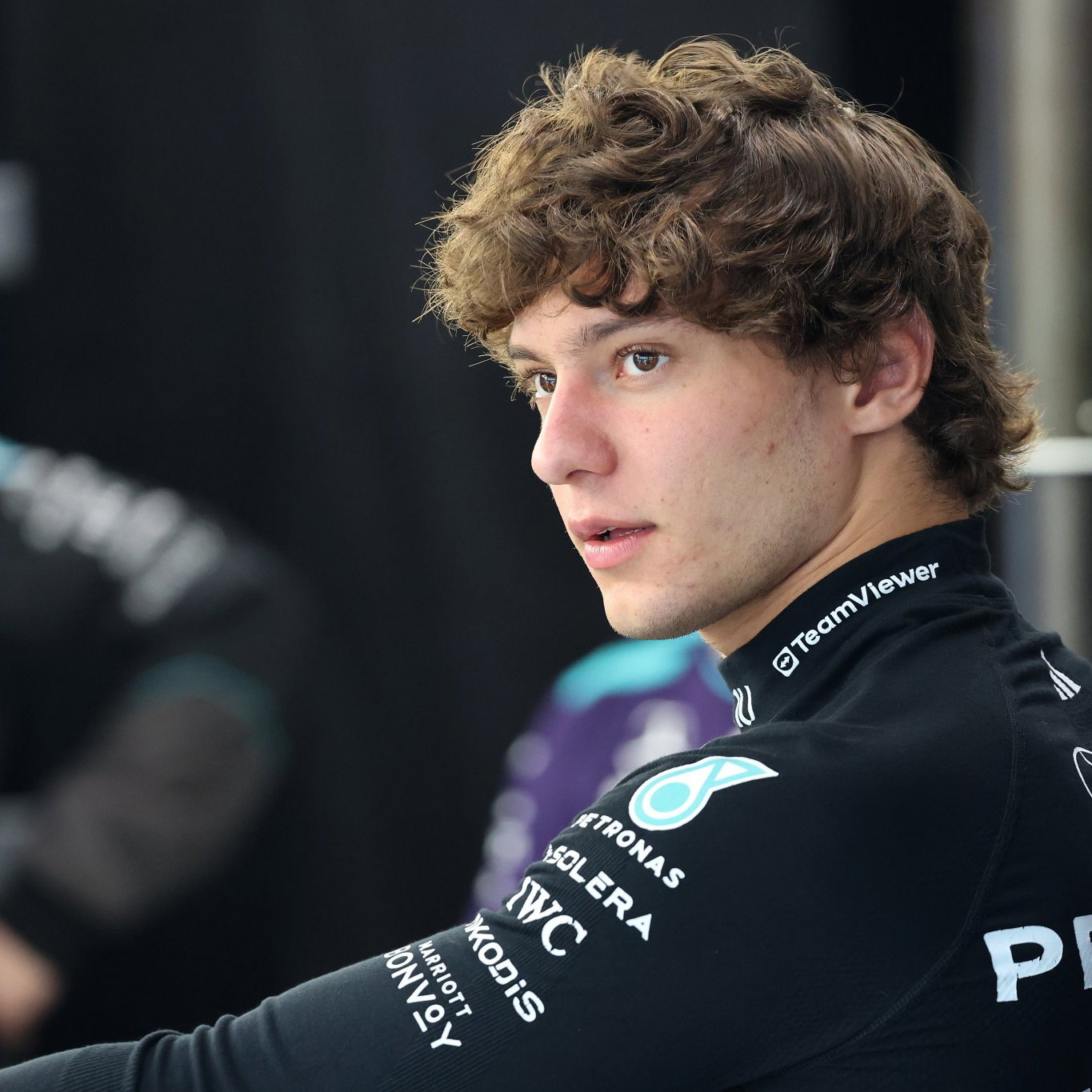
Formula 1 championship leader Andrea Kimi Antonelli is set to start this weekend’s Italian Grand Prix from the back of the grid.
The penalties for exceeding his permitted allocation of four power units for the season will almost certainly rule out Antonelli's chances of taking victory on home soil at Monza.
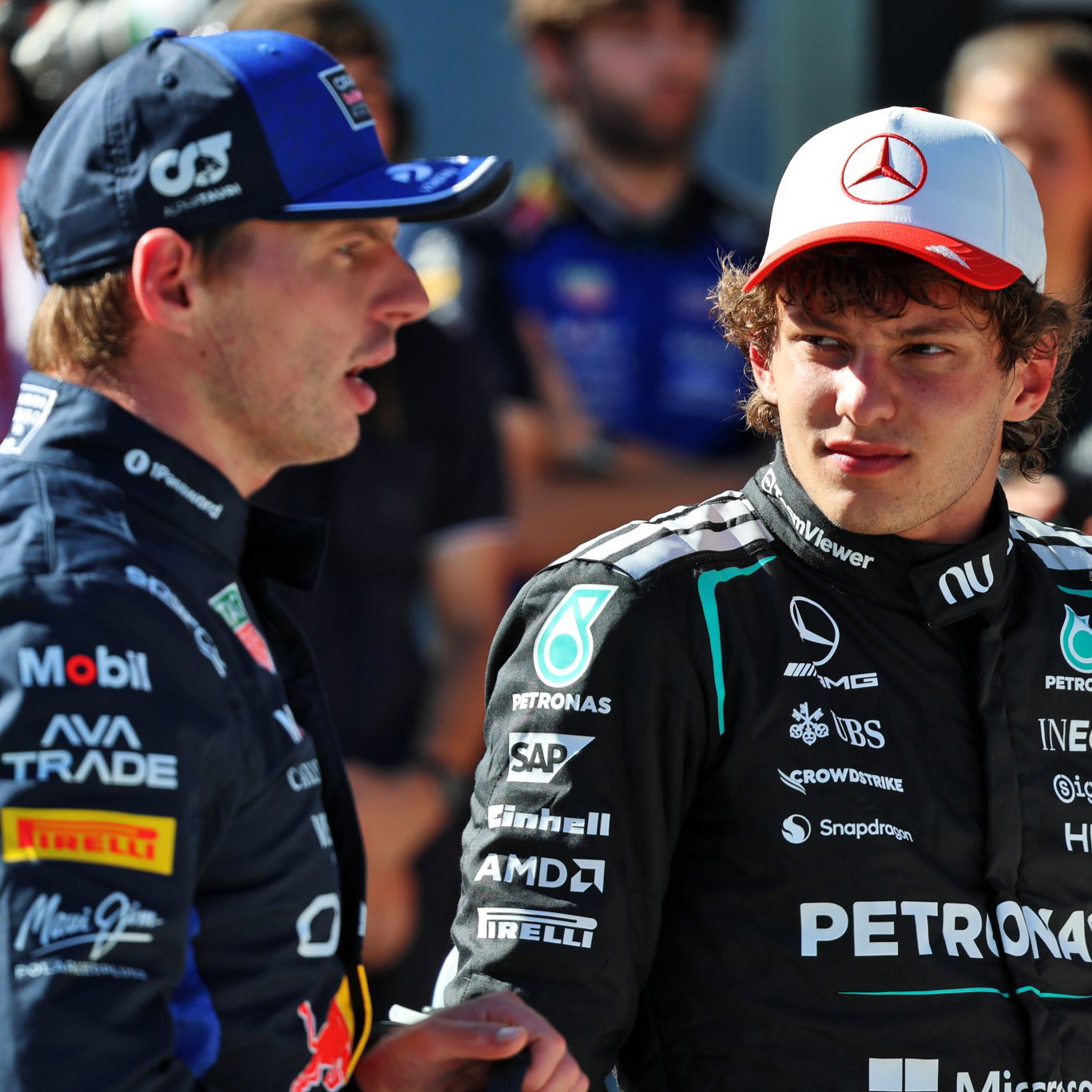
It will also provide Mercedes team-mate George Russell with a key opportunity to drastically reduce his 59-point deficit to Antonelli in the championship standings.
So why has Mercedes opted to take the grid drop at Monza and seemingly rob the 20-year-old Italian of a potential famous home win?

Following electrical failure in Barcelona, and moving onto his fourth and final penalty-free engine at the Belgian Grand Prix three races ago, Antonelli was always destined to exceed his pool of components and therefore trigger a grid drop.
The decision has partly come down to timing, but Mercedes has also chosen Monza because its long straights make overtaking fairly easy, especially with a fresh engine in the back of your car.
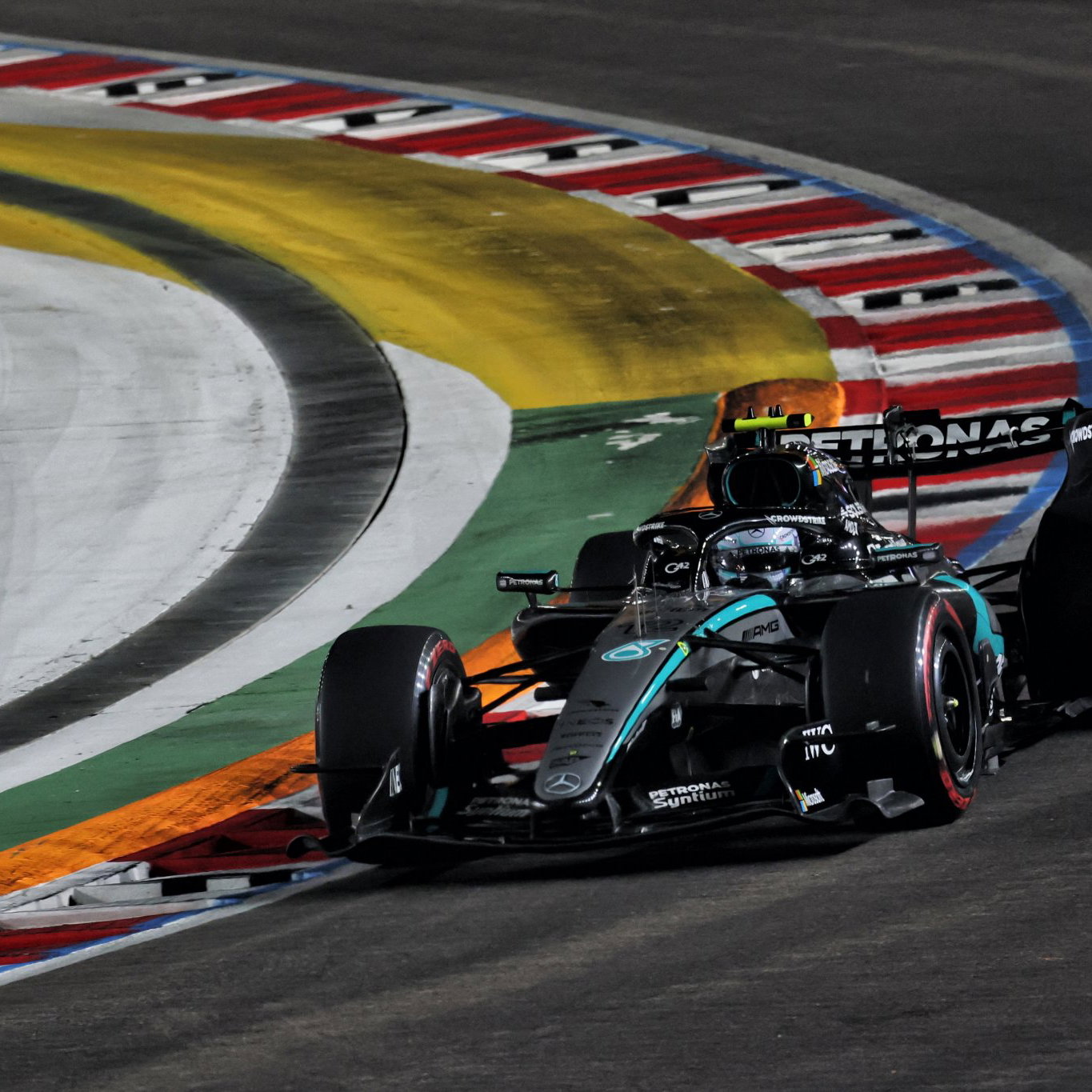
What’s more, the Mercedes W17 has been the class of the field for much of 2026, further boosting the chances of a strong fightback from Antonelli.
Former Mercedes driver Valtteri Bottas charged to the podium after starting at the back of the grid following an engine change at the 2021 Italian Grand Prix.
Mercedes will be hopeful that Antonelli can repeat a similar feat this year, and thus limit the damage to his championship prospects in the process.

"Monza is an energy-starved circuit with four overtaking zones. A driver cannot defend all of them, so a faster car should be able to make progress relatively straightforwardly,” Mercedes trackside engineering director Andrew Shovlin explained on the team’s Nu Silver Arrows Radio Show.
"The primary factor is when the hardware is needed. We have lost internal combustion engines at relatively low mileage, so we know we must introduce new components by a certain point. If that falls at a circuit where starting at the back would be particularly costly, we may choose to bring the change forward.
"We also lead both championships, so there is logic in taking the pain now rather than adding pressure if the margins tighten later in the season.”
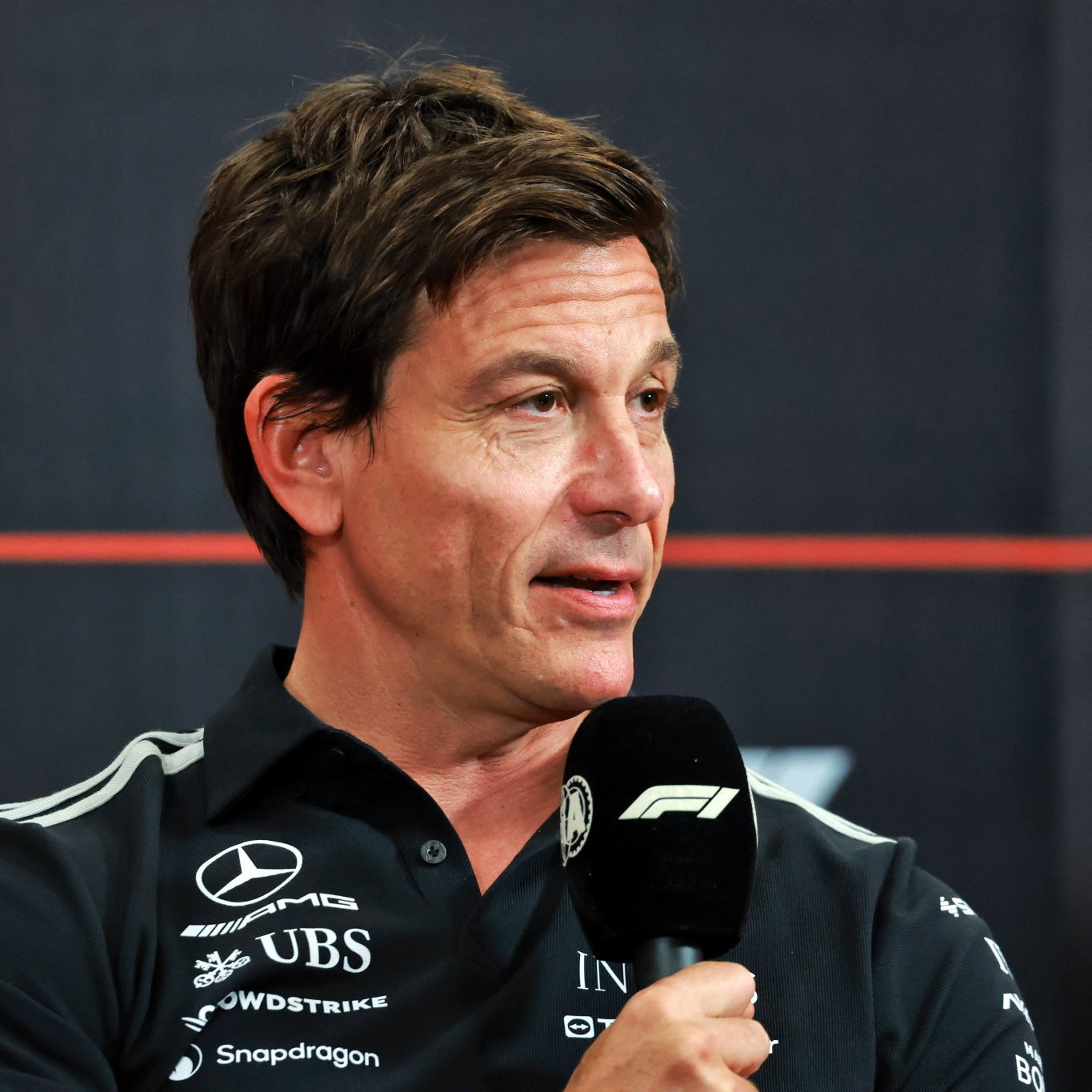
When talking about Antonelli’s looming penalty, Mercedes team principal Toto Wolff said he would “take the full thing”, indicating a complete power unit change featuring all components.
That would result in Antonelli receiving a minimum combined 20-place grid penalty. F1’s rules state that drivers will start at the back of the grid once they have hit a total of 15 places or more.
Mercedes has also confirmed that Russell will take an engine change penalty during the remaining scheduled 11 races, but the team is yet to decide exactly when.
"We must manage the remaining events so that both cars reach the end of the season with the freshest and best-performing hardware possible,” Mercedes deputy team principal Bradley Lord said.
"It is a constant trade-off between the risk of running high-mileage components and the points cost of taking a grid penalty and recovering through the field."

Lewis regularly attends Grands Prix for Crash.net around the world. Often reporting on the action from the ground, Lewis tells the stories of the people who matter in the sport.