MotoGP considers four safety changes after Catalunya incidents
MotoGP is considering four significant new safety measures after the Catalunya accidents involving Alex Marquez and Johann Zarco.

MotoGP SEG’s chief sporting officer Carlos Ezpeleta has revealed that four different safety changes are being discussed in the aftermath of the Catalunya weekend.
Alex Marquez and Johann Zarco are both missing from this weekend’s Mugello round after suffering injuries in separate race-stopping incidents at Barcelona.
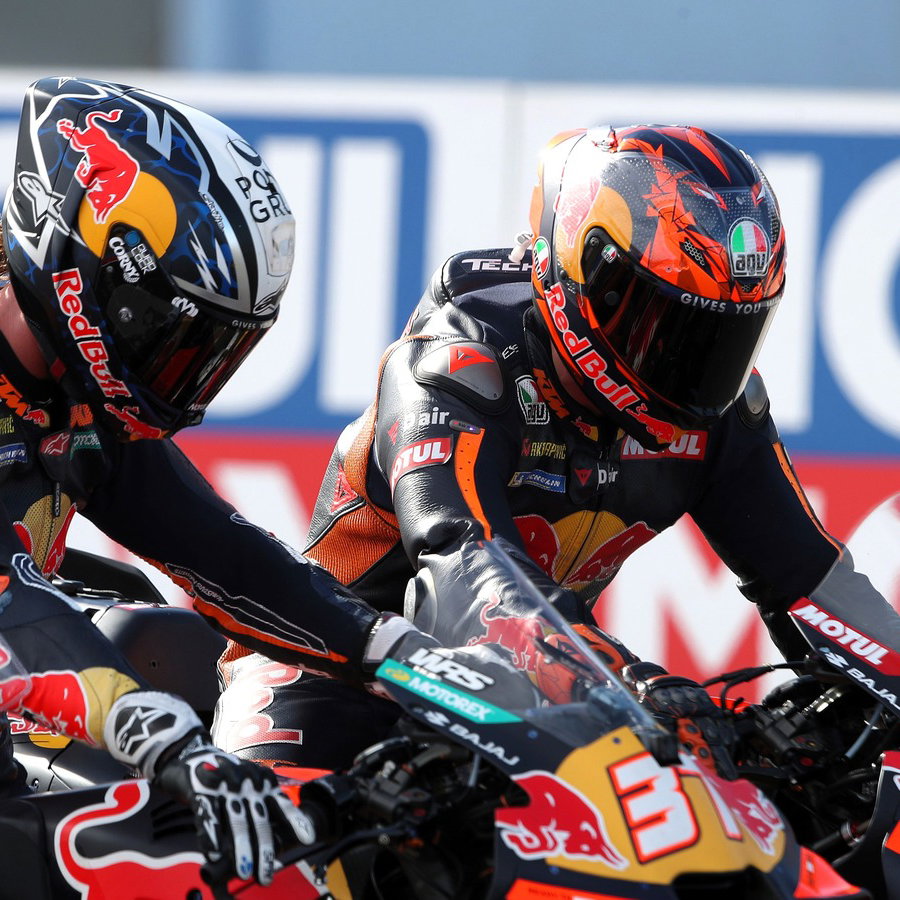
Marquez was involved in a huge accident after clipping the back of race leader Pedro Acosta moments after the KTM rider suffered a technical problem, while Zarco sustained serious leg injuries in a Turn 1 crash during the restart.
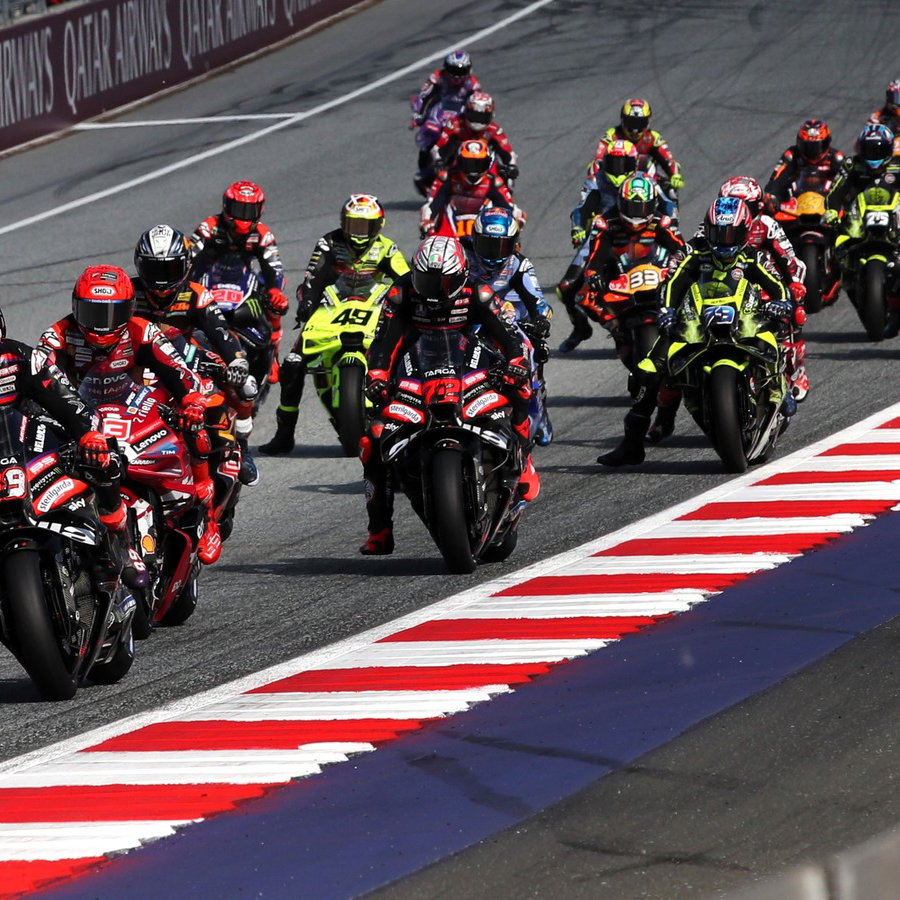
The proposals under discussion include increasing the spacing between riders on the grid, bringing forward the holeshot device ban, introducing additional protection around the rear wheel and swingarm area, and implementing MotoGP’s Crash Warning System.

"The four areas that we're looking into"
“After Barcelona, Race Direction and [MotoGP SEG] wanted to speak with the teams to see if there's anything to improve on,” Ezpeleta said during the FP1 broadcast in Italy. “Then of course we'll speak to the riders this afternoon in the Safety Commission.
“I think there's consensus among the teams that the regulations and the process that was followed in Barcelona was correct. I think that’s an important starting point.
“And then there are things to improve on, that we've started to consider with the teams.
“One being the grid itself. If there's a consideration to be taken over basically leaving more space between the riders so they have more room to manoeuvre going into turn one.
“The other one is holeshots in general.”

Holeshot lowering devices, which reduce wheelies and improve acceleration, are already scheduled to be banned under MotoGP’s 2027 regulations.
However, riders previously requested their removal at Le Mans, Silverstone and Phillip Island because of concerns over disengaging the devices before the fast first corners at those specific tracks.
That didn’t happen at Le Mans due to a lack of consensus among the manufactures but was thought likely for Silverstone and Phillip Island.
Concerns have been raised that the unnatural braking needed to release the holeshot devices could cause accidents.
However, leading riders insisted on Thursday that the devices are not a significant problem outside of the three events with fast first corners.
Nonetheless, Ezpeleta confirmed that discussions now extend to removing them entirely.
“The proposal and the consideration is [to ban holeshot devices] around all tracks in general,” he explained.
“Of course, at two of the remaining circuits the amount of braking into turn one is not that great, so you might have that risk of not disengaging the holeshot device.
“But the consideration that is now on the manufacturer's table to consider is around [a ban for] all of the circuits.”

Ezpeleta also highlighted some on-bike safety initiatives.
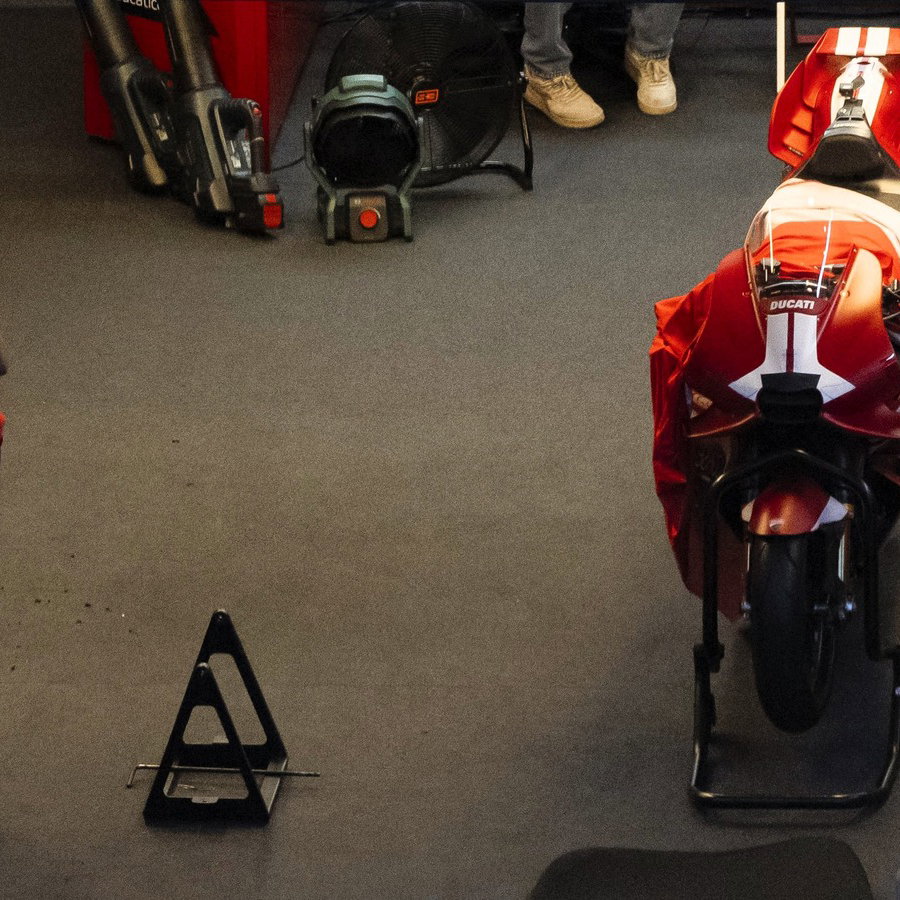
“And then there are two things on the bikes that we really want to look into. One is protection around the rear wheel/swingarm area, following Johann's crash.
“The other is if there's a bike failure, like Pedro had, giving some warning to the bikes that are approaching that area. Which in Alex's case probably wouldn't have changed much because Alex was so, close to Pedro, but maybe in other occasions it could make a difference.”
In other words, the introduction of MotoGP’s Crash Warning System, which has been under development for several years but requires an upgraded GPS - planned for 2027.
Regarding additional rear-wheel protection, Ezpeleta added:
“Zarco's incident is probably the most graphic one that we've had, but not the only time that an incident like that has happened in the sport. So it's something that we do want to give consideration to.
“Again, it's on the manufacturer's table now. But from what we understood yesterday, it's not that far-fetched to really come up with a solution. So positive conversation.
“So, those are the four areas that we're looking into.
“Of course, it's not possible to make a reaction this weekend, but I think all of those four areas can actually make a difference.”

Ezpeleta added that such changes would reflect the constant evolution of rules and regulations made “season by season throughout these 77 years of the sport.”
The ideas will be discussed further inside the riders’ Safety Commission meeting on Friday.
“I've spoken to a couple of the riders [already], but I think it's more important when they come today [to the Safety Commission],” Ezpeleta said.
“I think it was important for things to cool off after Barcelona because clearly, again, the incidents were very, very graphic, unfortunately.”
One hotly debated topic raised by several riders at Catalunya was whether it had been correct to hold a third restart, after the Marquez and Zarco incidents.
“I'm not part of that decision and you have to ask for friends from Race Direction [but] I think that when Race Direction spoke to the teams yesterday, they all agreed that the process which was followed was correct,” Ezpeleta said.
“And obviously, there was nothing wrong with the track itself. And by the time both races were restarted the rider [involved in the previous red flag] was conscious and out of the biggest danger.
“So that is basically the process that was followed. But again, it's Race Direction’s decision.”

Peter has been in the paddock for 20 years and has seen Valentino Rossi come and go. He is at the forefront of the Suzuki exit story and Marc Marquez’s injury issues.