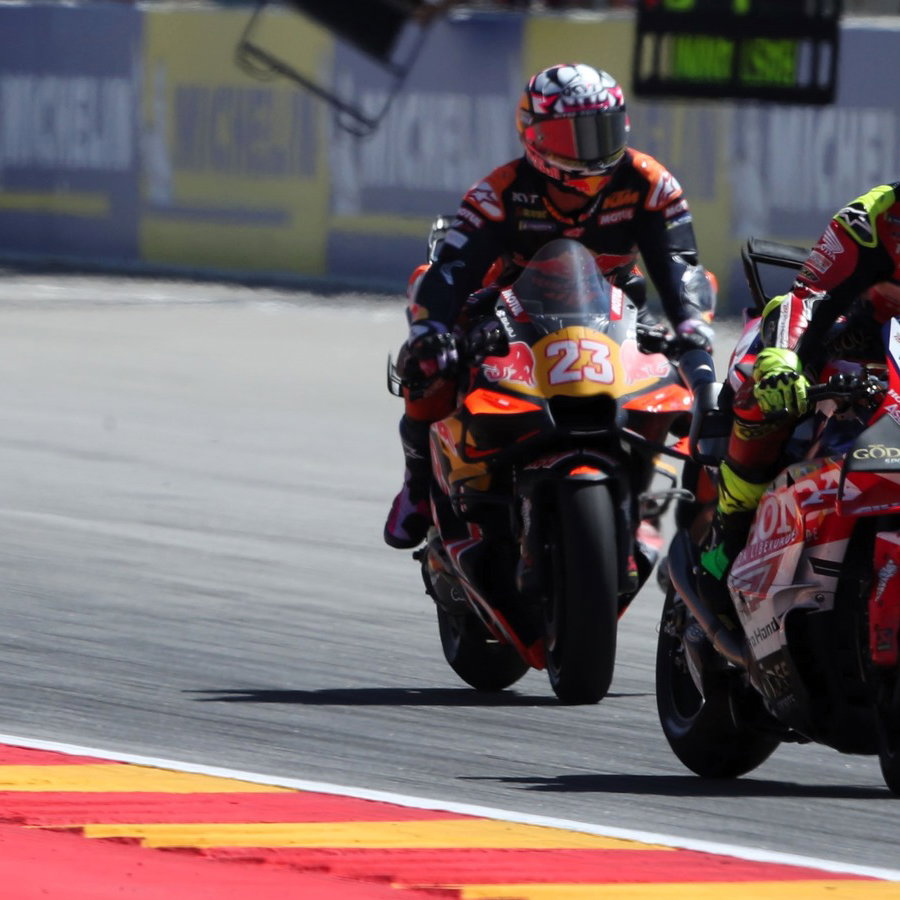
‘One of the hottest races I’ve done’ - Does MotoGP need a heat protocol?
LCR Honda stand-in Cal Crutchlow believes MotoGP needs to consider a weather protocol after a sweltering Brno sprint

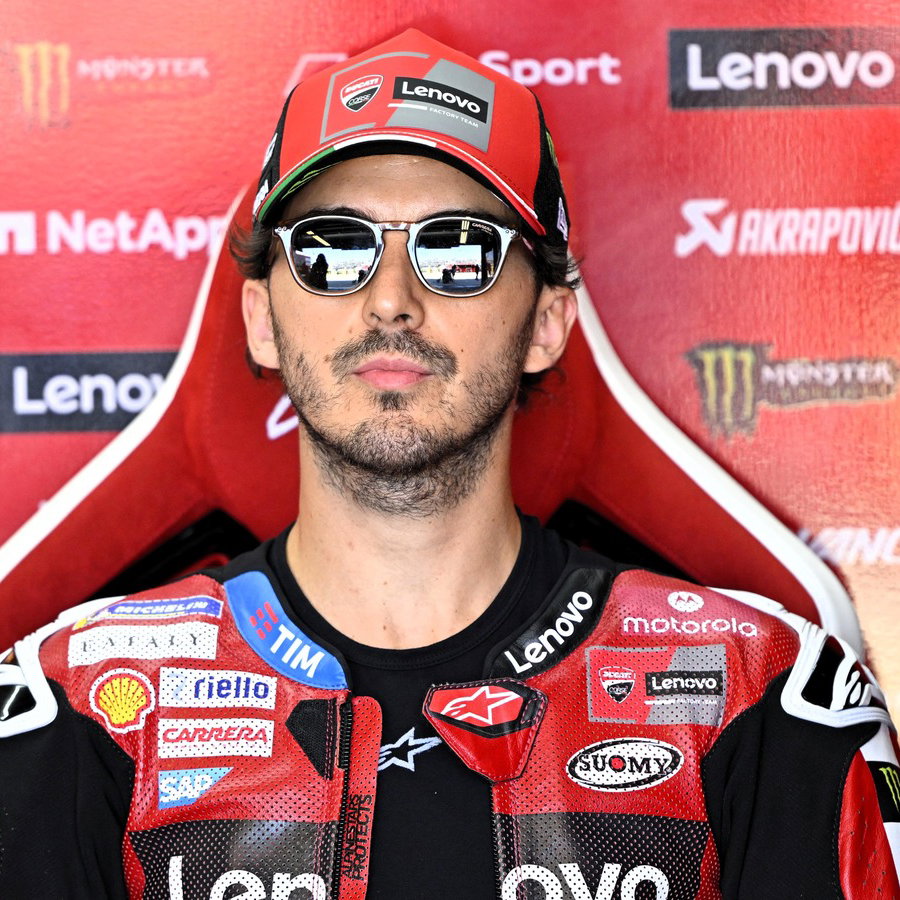
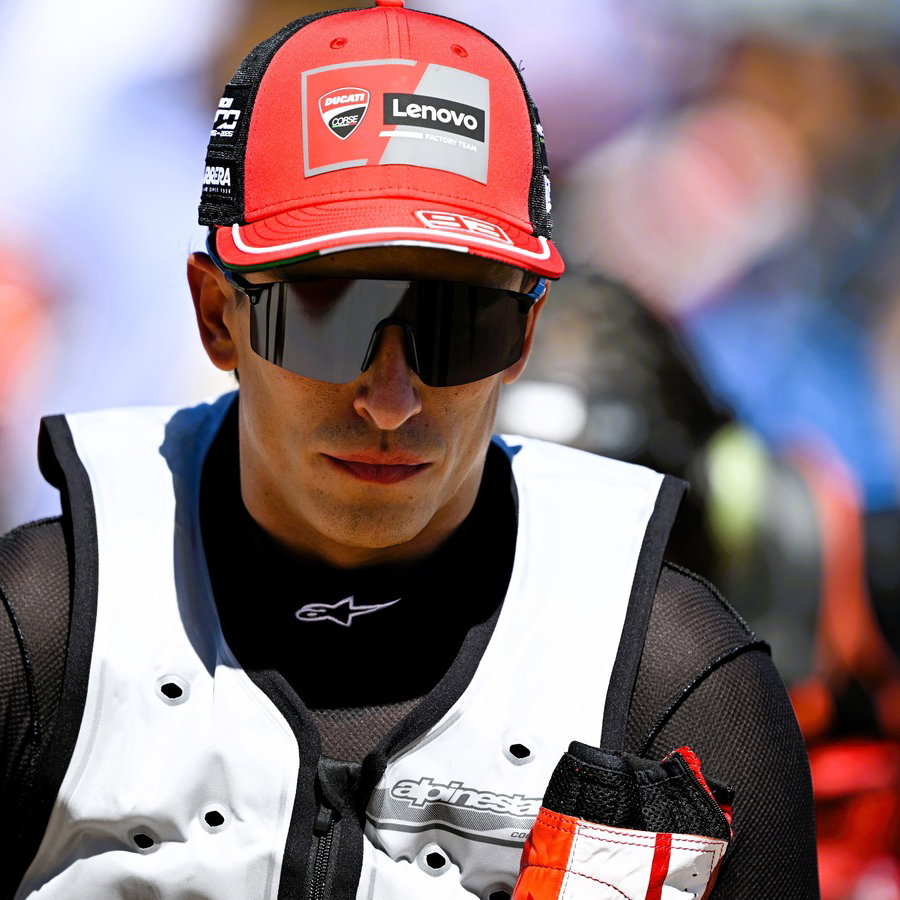
LCR Honda stand-in Cal Crutchlow says the Czech Grand Prix sprint was “one of the hottest races I’ve ever done” and believes MotoGP needs to consider a weather protocol.
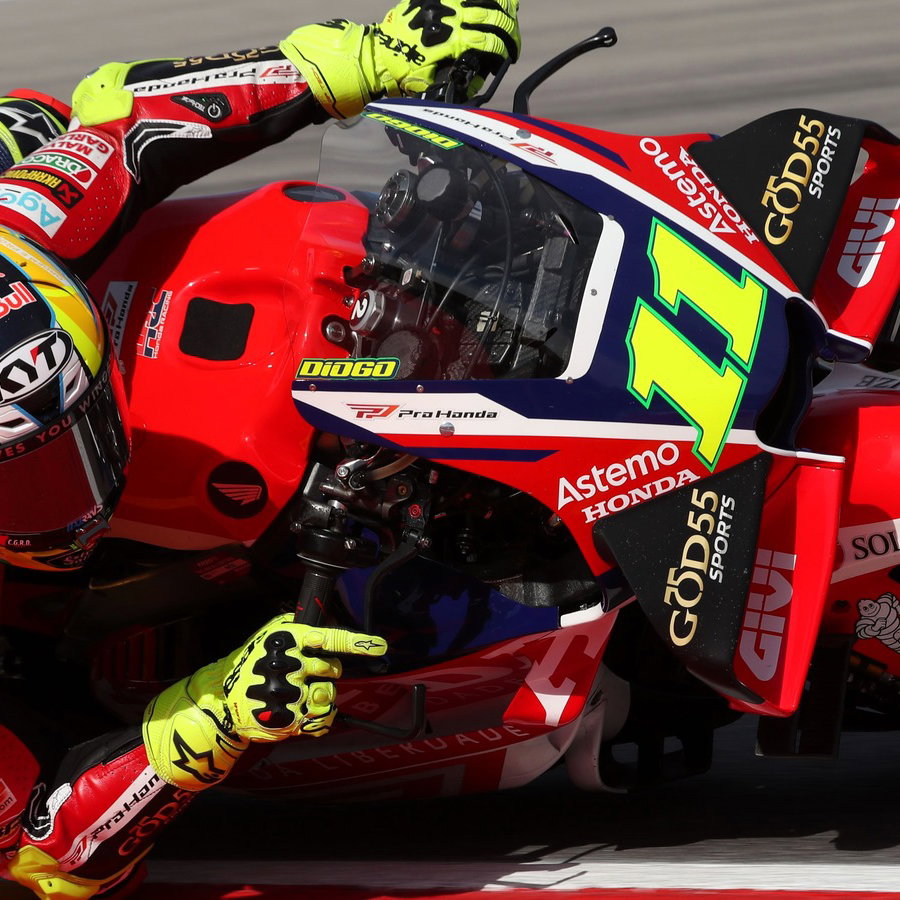
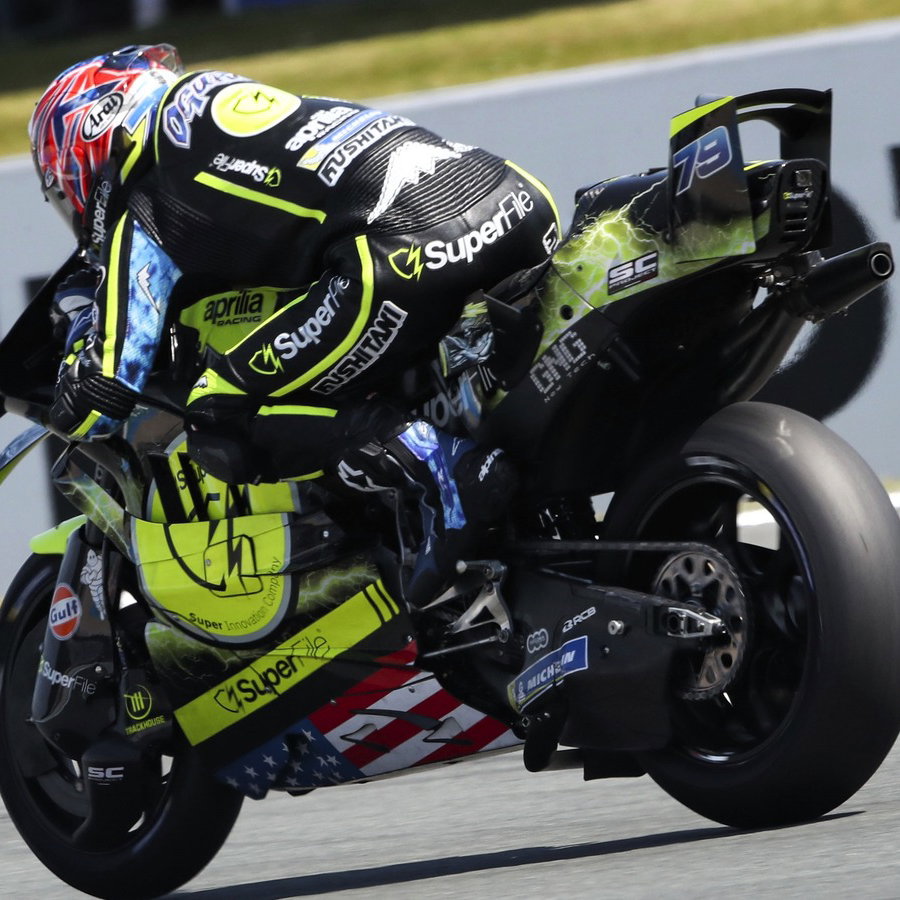
Saturday’s 10-lap sprint at Brno was run in 33C air temperature as Europe experiences an intense heat wave right now.
Cal Crutchlow, who is currently deputising for the injured Johann Zarco at LCR, but retired formally from racing at the end of 2020, branded the sprint as “one of the hottest races” he’s ever done.

And he believes MotoGP now has to start considering implementing weather protocols to better protect riders during extreme conditions.
“I tell you what, it was fucking hot today,” he said, following a crash on the final lap of the sprint.
“It was so hot. And you see all this waiting around.
“You go to the grid, then you try to come off the grid because it's too hot. It was seriously hot. Like one of the hottest races I've ever done.
“Yeah, half race. Imagine 20 laps if it was today? And tomorrow is probably going to be the same.
“So, in my opinion, they need to start to think about this whole situation a little bit. In other sports, they have weather protocols, they have all these things.”

What do other sports do in extreme temperatures?
In Formula 1, the governing body, the FIA, can declare a ‘heat hazard’ prior to a race weekend if forecasts show a sprint or grand prix will be run in temperatures of 31C or above.
As such, the FIA would have declared this weekend’s MotoGP Czech Grand Prix a ‘heat hazard’.
This came into effect following a punishing Qatar Grand Prix in 2023 where drivers voiced safety concerns about the heat they were subjected to.
If a ‘heat hazard’ is declared, cars have to be fitted with cooling systems for the drivers, which in turn leads to a small tweak to the minimum weight rules to allow for this.
In football, FIFA guidelines state cooling breaks should take place if games are being played in 32C heat or above, with delays or suspensions a course of action available to match organisers.

“The problem you have…”
For Crutchlow, though, the lack of a riders’ union is something he sees as a block to any introduction of a weather protocol.
“The problem you have here is the same as always, the same as if you did, like I've discussed before, a riders’ union, one guy will race, so then everybody will race,” he said.
“So, unfortunately, and the organisation knows this.
“So, it's like if it was that deep in water, one guy would go out, and everybody said, we're not going out, then that guy would leave pitlane, then everyone would leave pitlane because they won't stick together.
“Because they don't want somebody to have an advantage, or they don't want their manufacturer to say to them, ‘Ah, you didn't do that race, so you're not getting paid’. And that's the reality.’”
Asked why it’s different in F1, he replied: “They stick together.”