“Really different” - Why MotoGP bikes are now on a “knife edge”
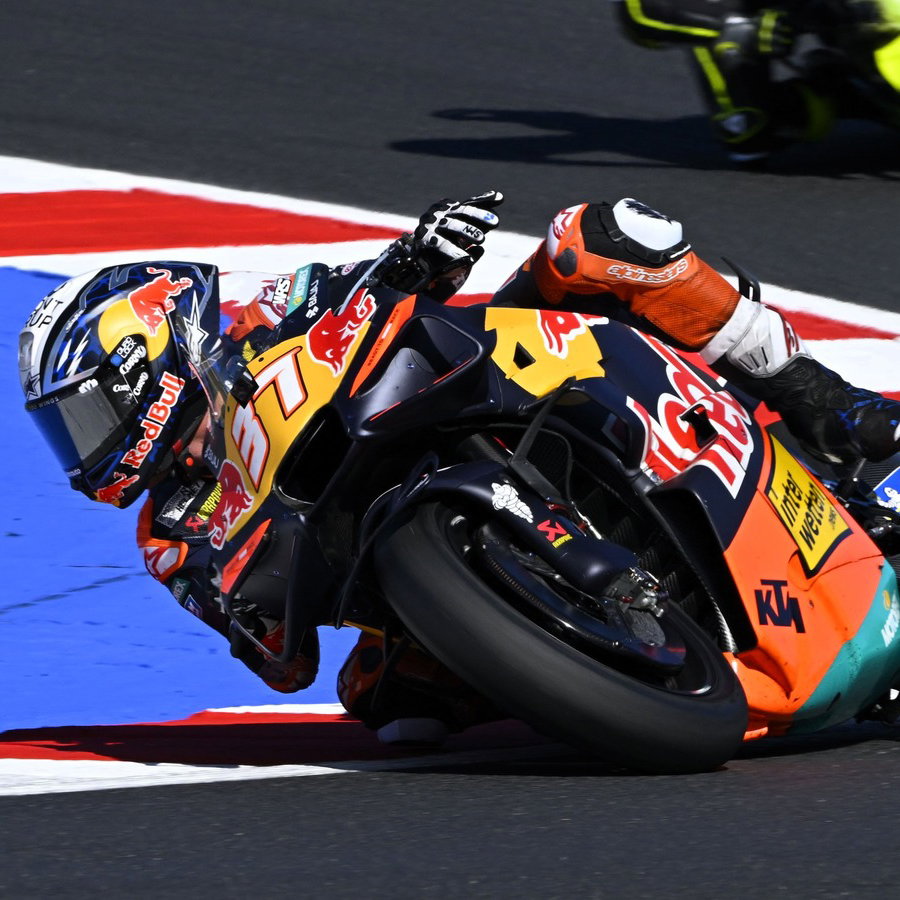
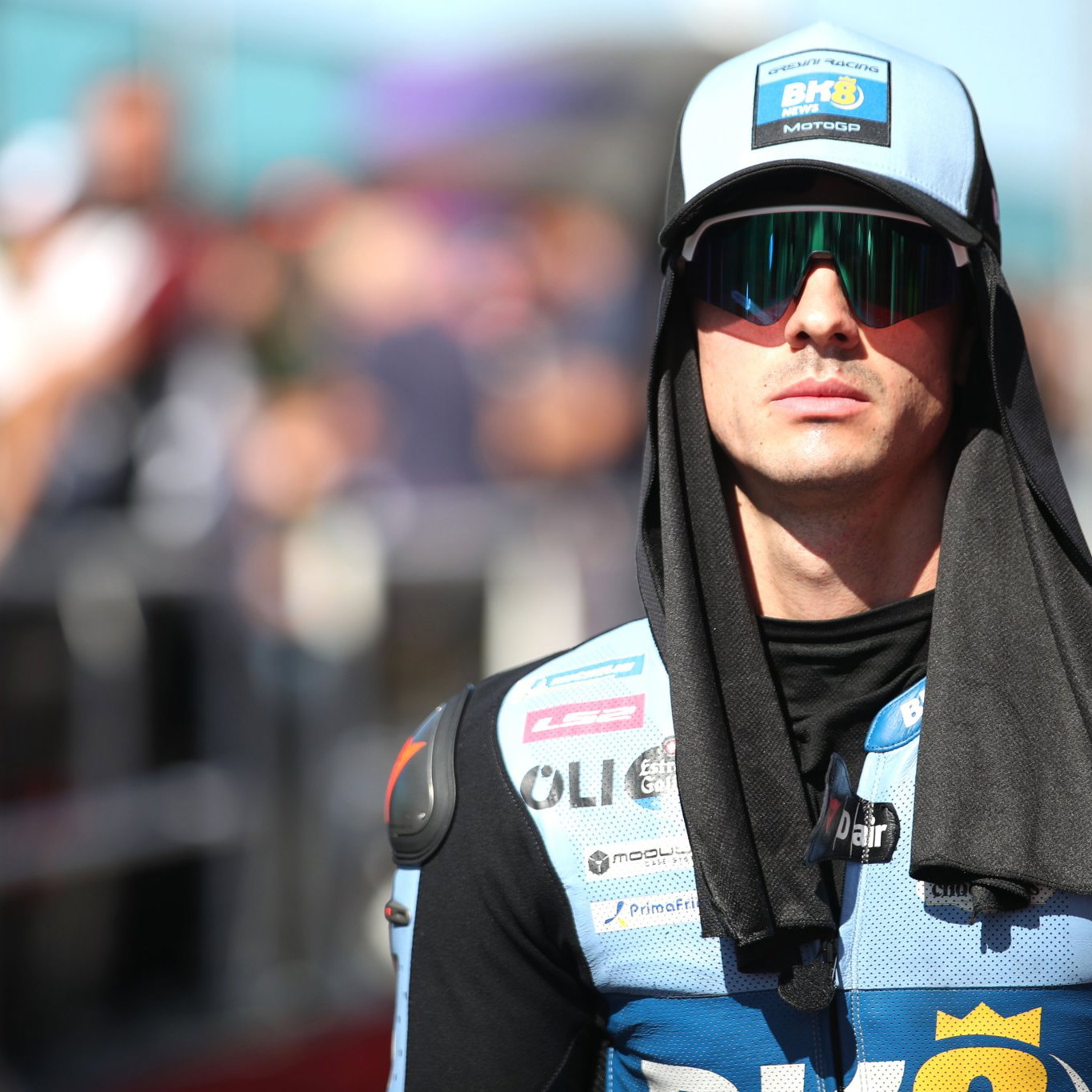
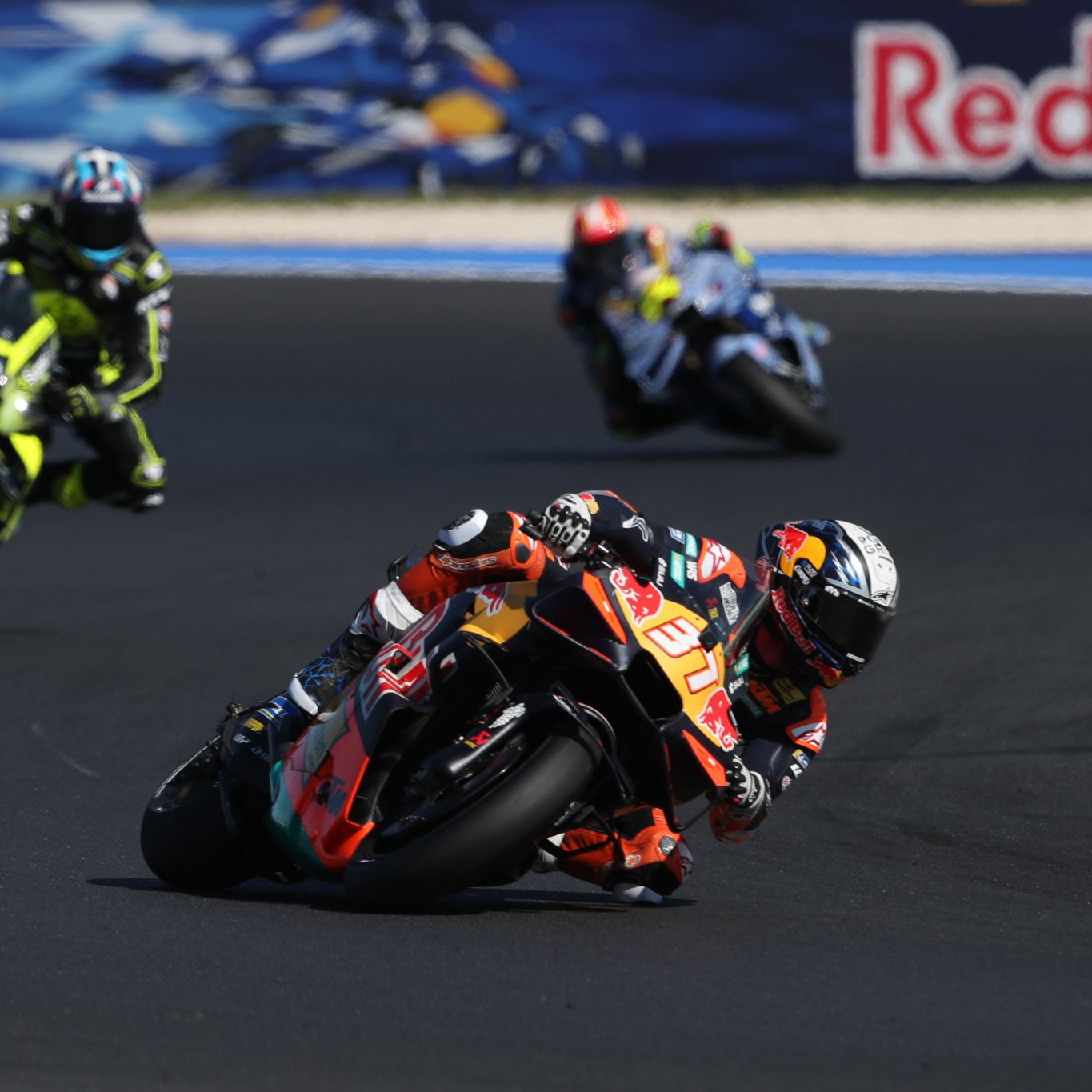
Brad Binder explains how MotoGP machinery has changed since 2020, with greater downforce making bikes far less forgiving.

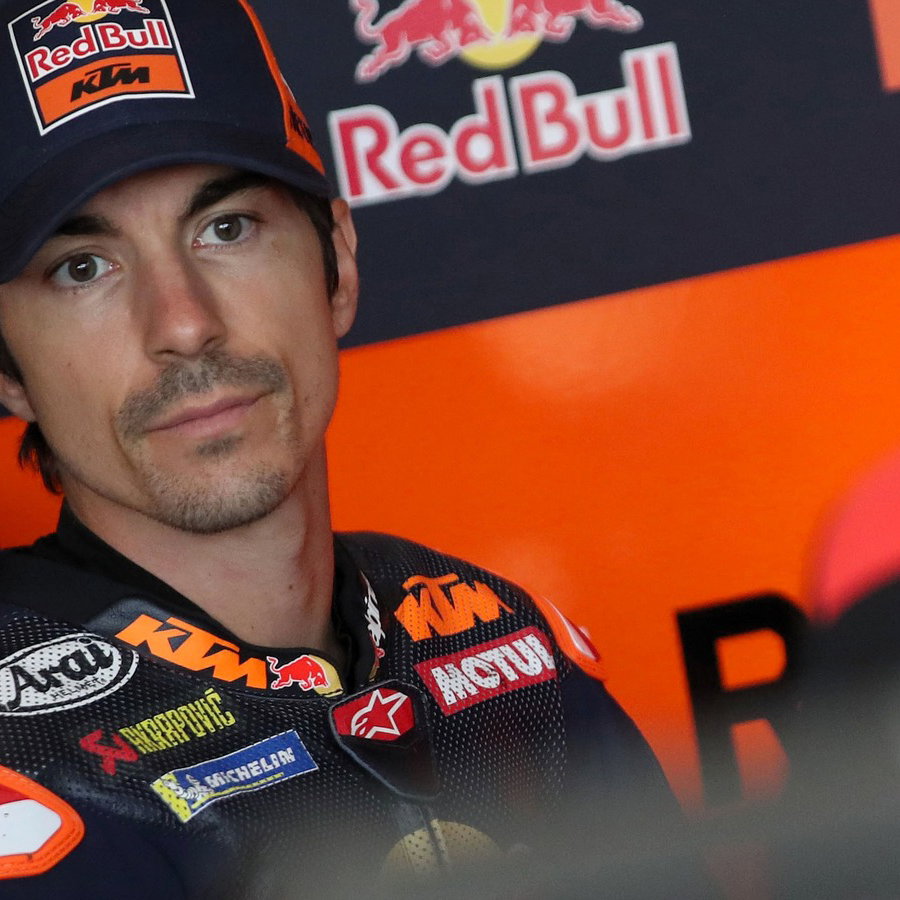
Brad Binder believes MotoGP bikes now operate closer to a “knife edge” than the machinery he rode during his rookie 2020 season.
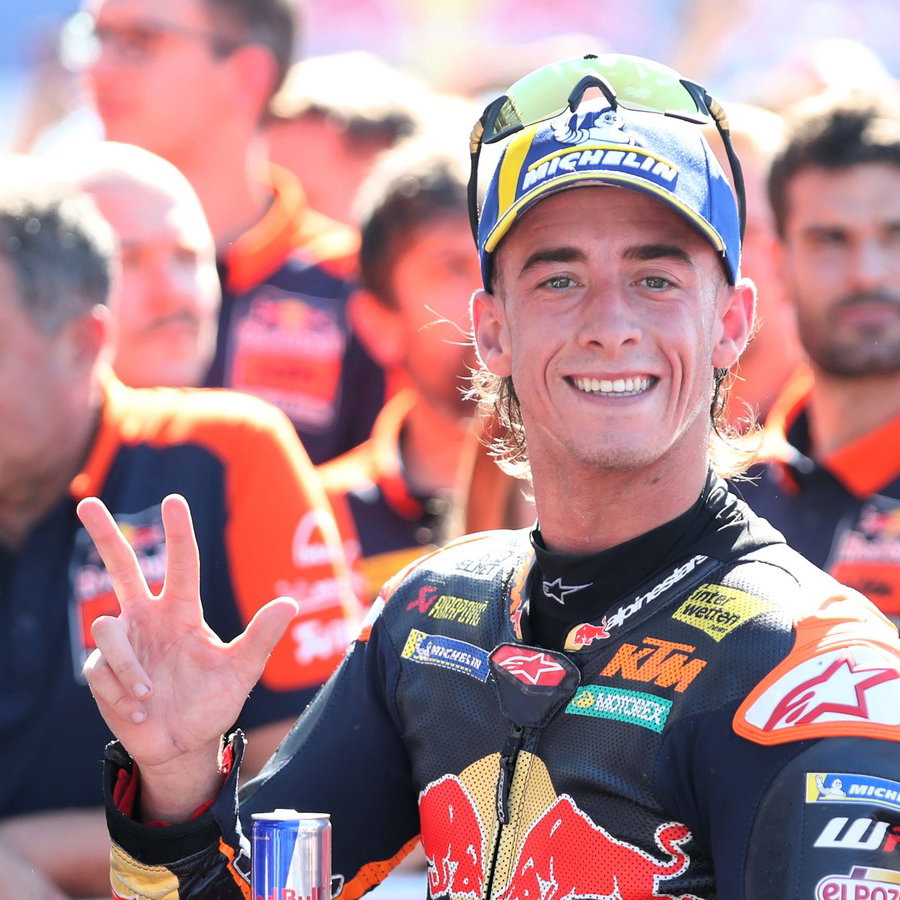
The South African became a MotoGP winner on only his third start, at that year’s Brno round, where he also made history with KTM’s maiden premier-class victory.
Asked to compare the feeling of those bikes with the latest aero-packed prototypes, Binder explained:

"Much more on a knife-edge"
“I think back then it was really different, in the way that things were a lot more loose.
“There was a lot less downforce, and it was a lot easier to lift the rear of the bike.
“You could ride a lot more aggressively, and it was a lot more forgiving.
“I think nowadays things are much more on a knife-edge.
“If you go over the limit it bites you quite quickly.”
MotoGP’s 2027 technical regulations will reduce aerodynamics and remove ride-height devices, alongside the introduction of smaller 850cc engines and a switch from Michelin to Pirelli tyres.
But Binder is unlikely to be part of that new era - with KTM announcing an all-new Alex Marquez and Fabio di Giannantonio factory line-up - and is instead tipped to join BMW in WorldSBK.

“I'll know things more clearly by the summer break,” Binder had said of his future.
The summer break ends with this weekend’s British MotoGP at Silverstone, which Binder will start holding 13th in the world championship.

Peter has been in the paddock for 20 years and has seen Valentino Rossi come and go. He is at the forefront of the Suzuki exit story and Marc Marquez’s injury issues.