Sainz suggestion that drivers should face penalty for causing yellow flags divides paddock opinion
Carlos Sainz believes that drivers who cause a yellow or red flag in qualifying should receive a penalty - a suggestion that has divided opinion among his fellow F1 stars

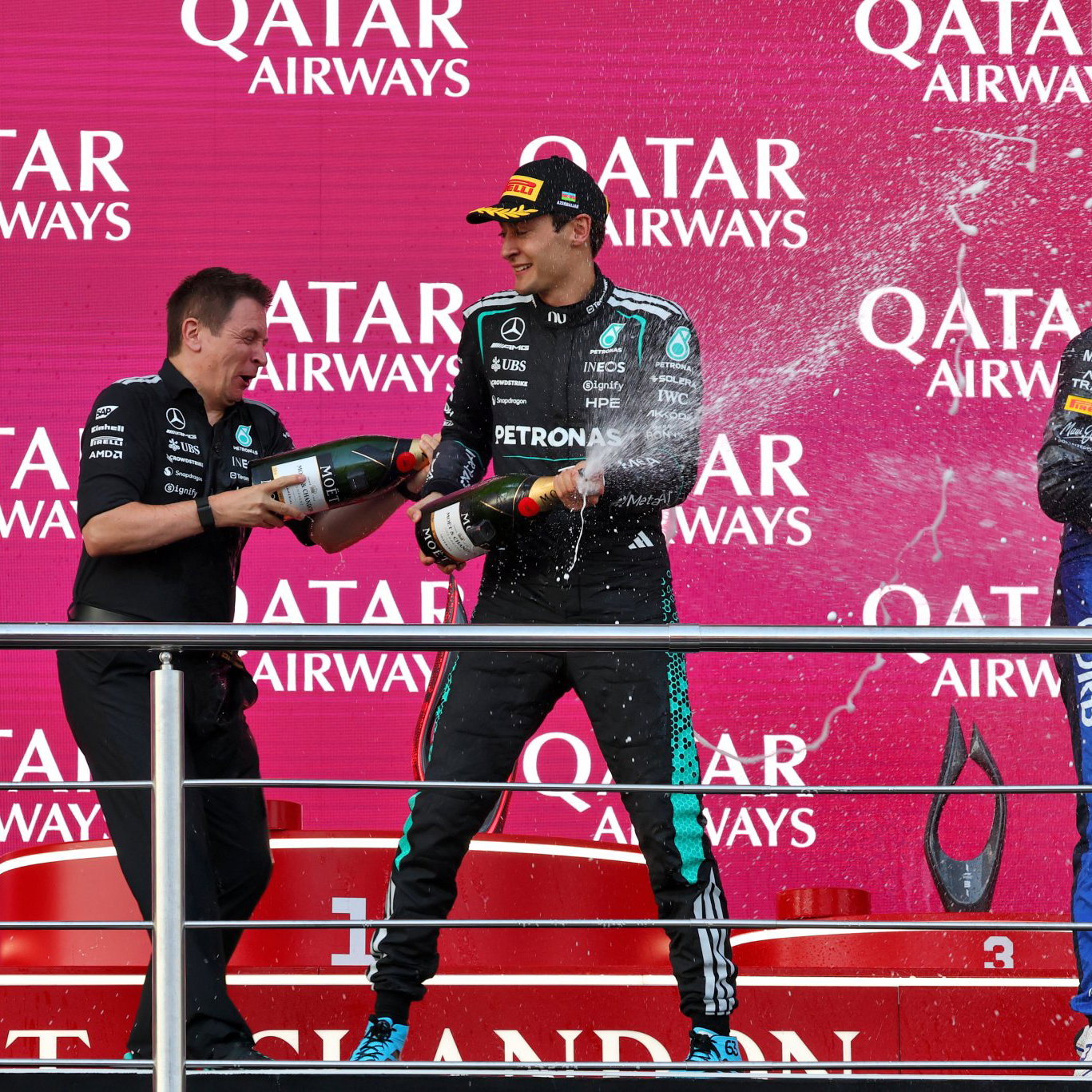
George Russell's yellow flag incident in Q3 in Austria last weekend has stoked a debate about penalising drivers who generate a yellow or red flag situation in qualifying, and prevent others from completing their flying laps.
In Austria the Mercedes driver lifted for a single yellow flag displayed when Max Verstappen crashed, and still earned pole. Had it been a double yellow the lap would have been cancelled, and his Mercedes team mate Kimi Antonelli aborted his lap believing that was the case.
While Verstappen’s crash happened when he running was on the limit and was the result of a wing issue, it put a spotlight on the wider context of drivers deliberately ending sessions having secured pole.

The most infamous example occurred in Monaco in 2006, when having gained the top spot Michael Schumacher stopped against the barrier at Rascasse and ended the laps of all those behind him. On that occasion a lengthy investigation by the stewards led to the Ferrari driver being sent to the back of the grid.
The idea of a standard grid penalty for drivers spoiling the laps of rivals even through a genuine mistake has been tabled from time-to-time, but it has never been implemented – although it has been used in other series.
On Thursday Carlos Sainz used the case of his fellow GPDA director Russell to float the idea once more. “The way George handled it, I think, was perfect for what the rule book allows you to do,” said the Williams driver. “And he deserved that pole position, because he played the rules to perfection. But it should have never been, I think, allowed to finish that lap or to close a lap in that kind of dangerous situation.
“I think at the same time, if Max would have been on pole in the first run, and then he produces that crash, and no one improves the lap, I think it would be unfair for George, Kimi and everyone, because the guy that is on pole is not letting us improve the lap time. Like typically Monaco, and I could have done last year in Baku when I was on pole, and I was the first car out of the pits, and I said, if I crash now, I'm on pole.

“So we all have these thoughts, and we all have these second thoughts, I think, and we all know how the rule book works. And for that, I think that anyone who generates a yellow flag or a red flag in a qualifying it should be a three-place grid drop, so at least you get penalised, and you get disincentivised to go flat out into something – which was not the case with Max, because Max was, I think, P3 at the time, and he obviously crashed through a failure of the rear wing, or something like this.
“But I think somehow we should find a solution for that, and that's my only idea, that I think if you generate a yellow or a red, you should get some kind of penalty. If you push flat out, but you push too far, and you're not letting others improve, you're earning a position by not letting others do a better job than you, even if not intentional.”
When asked about Sainz's suggestion Russell pointed out that a risk of a penalty would potentially mean that drivers would not be on the limit in Q3, to the detriment of the show.

“It's definitely been spoken about before,” the British driver said. “If somebody causes a yellow or a red flag, it kind of should be punished, because it does have an effect on other drivers, or whether your fastest lap is deleted. We see it in other series.
“But on the flip side, people would also say the drivers aren't taking as much risk come Q3, and you want to see the drivers pushing the limits. You don't ever want to see someone get hurt, but you want to see drivers going off the track at points, and going beyond the limit. So there's pros and cons both ways.”
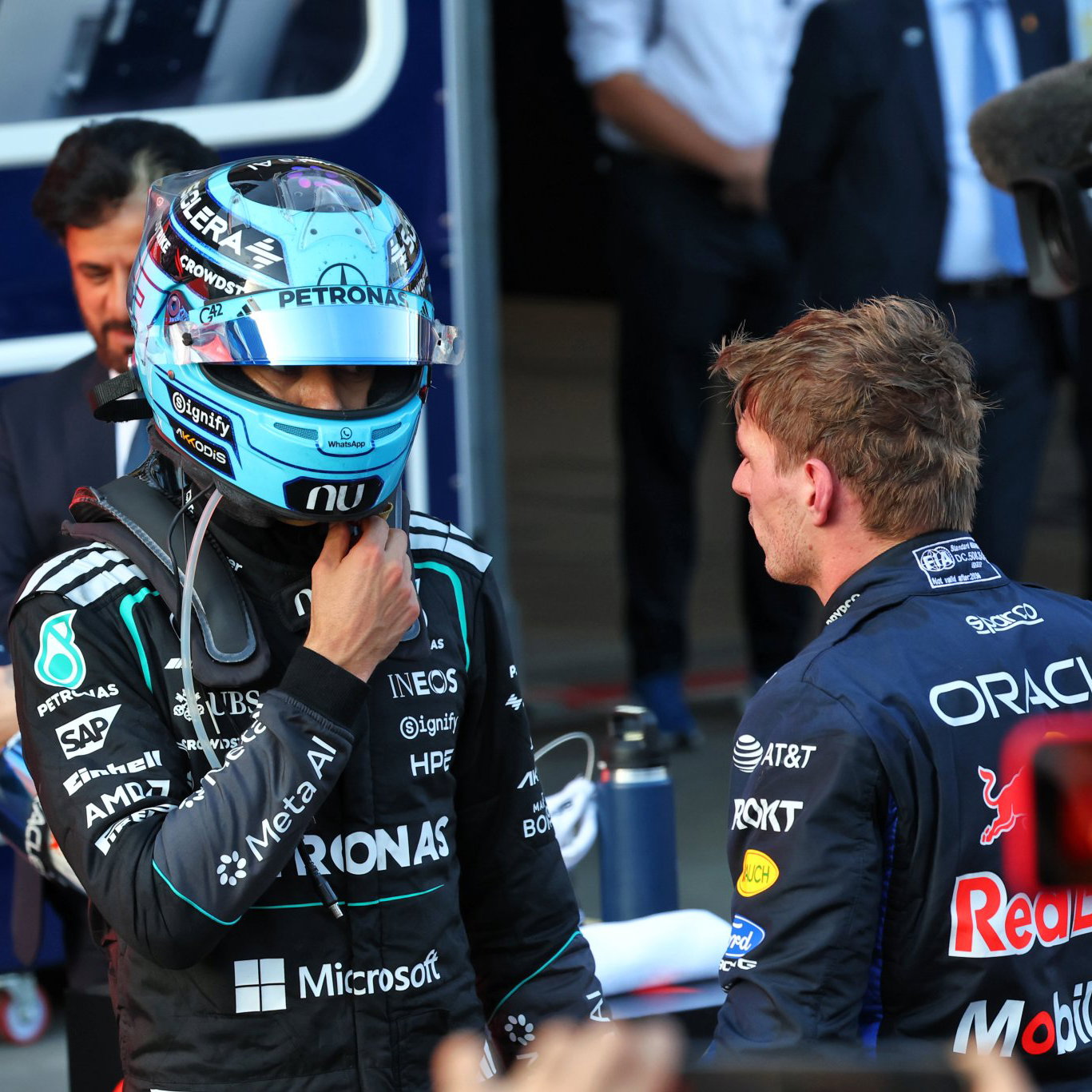
Antonelli, who was left kicking himself in Austria after he aborted his lap when he erroneously thought he was passing a double yellow, suggested that a penalty should only be applied if a driver had deliberately spoiled a session for others.
“I think the penalty should only come if it was done on purpose, if it's clear that it was done on purpose,” he said. “I think if it's a mistake or a failure, you shouldn't be implementing any penalties.
I mean, Max in Austria, he was pushing to the absolute limit, and he lost the car and went off. But there's no reason why he should be getting a penalty for that, because he was just trying to go to the limit. Actually, me, George, and him, we were so close, all three fighting for pole, so I don't see any reason why I would give him any penalties.”

The Italian acknowledged that there are precedents: “Of course there have been occasions in the past. I mean, the most common is Monaco, where they go straight on purpose, or they do something just to create some mess or yellow flag, and that should be a penalty, of course.
“But if it's a mistake because you're trying to reach the limit, or if it's a mechanical failure, that there will be no reason to implement any penalties.”
In 2021 Charles Leclerc crashed in Monaco Q3 after taking pole, and then found himself punished by non-starting on Sunday with a gearbox issue. The Ferrari driver agrees that street tracks can be subject to gamesmanship, but he doesn’t see the need to have a rule in force everywhere.
“I'm not the only one that has crashed in Monaco in qualifying” he said. “It's true that it's one of those races that you can play with the yellow flags a little bit, and I think there are specific tracks where maybe we need to look at that closer. Whether this needs to be a general rule – I think the person that ends up in the wall, and Max, by example, in the last race, I think he pays enough price of ending up there and not finishing a lap, which will have been good enough for him to be second.

“So I don't think that, as a general rule, it makes much sense. But in some tracks, it's something that we've discussed as drivers, but to install that for the whole season, I don't think makes sense.”
Verstappen agreed with Antonelli that a deliberate move should be punished, but stressed his bigger concern was a system that allows drivers to complete their laps. "I think when someone does it deliberately, I think it should be a bigger penalty than that,” he said when told about Sainz’s three-place idea. “But from my side, of course, it was out of my control, what happened there."
“It's a topic that we have been talking about for a long time, and in other series, I think when you create a double yellow or red, you lose your lap, for example. It's things to look at, for sure, but that still doesn't solve what actually happened, besides that, that people are still, of course, completing a lap, or others are backing out of it.
“Now of course you can read the rules really well, and you complete your lap, and you're allowed to keep it, but I think from first of all, it should not have been a single yellow, but that is at least a double yellow or red, first of all, that the driver then, of course, optimises around it, I think that's fair play, I probably would have tried to do the same.
“That's just how it goes, but it should not even be allowed, or be possible, to finish your lap like that. I think that's for me the main concern in all of it.”

Adam Cooper attended his first F1 race at Brands Hatch as a 10-year-old fan in 1976. He became a freelance journalist for Autosport magazine in 1985 while still at university, initially covering everything from club racing to the FIA World Sportscar Championship.