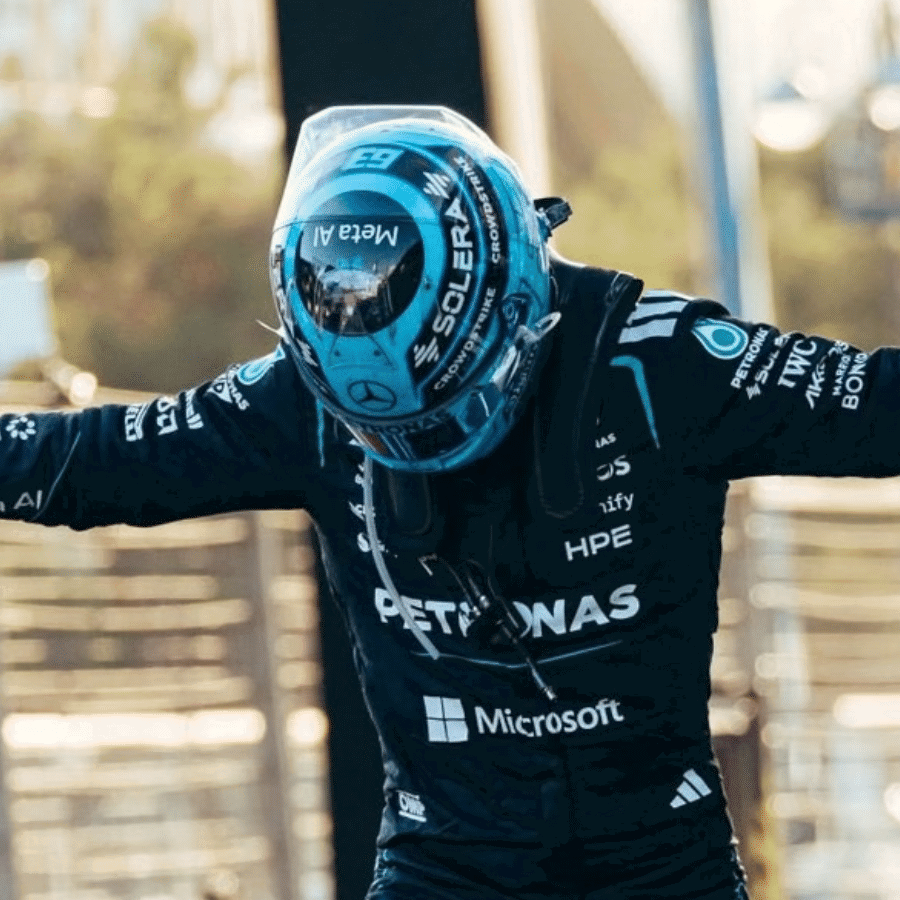
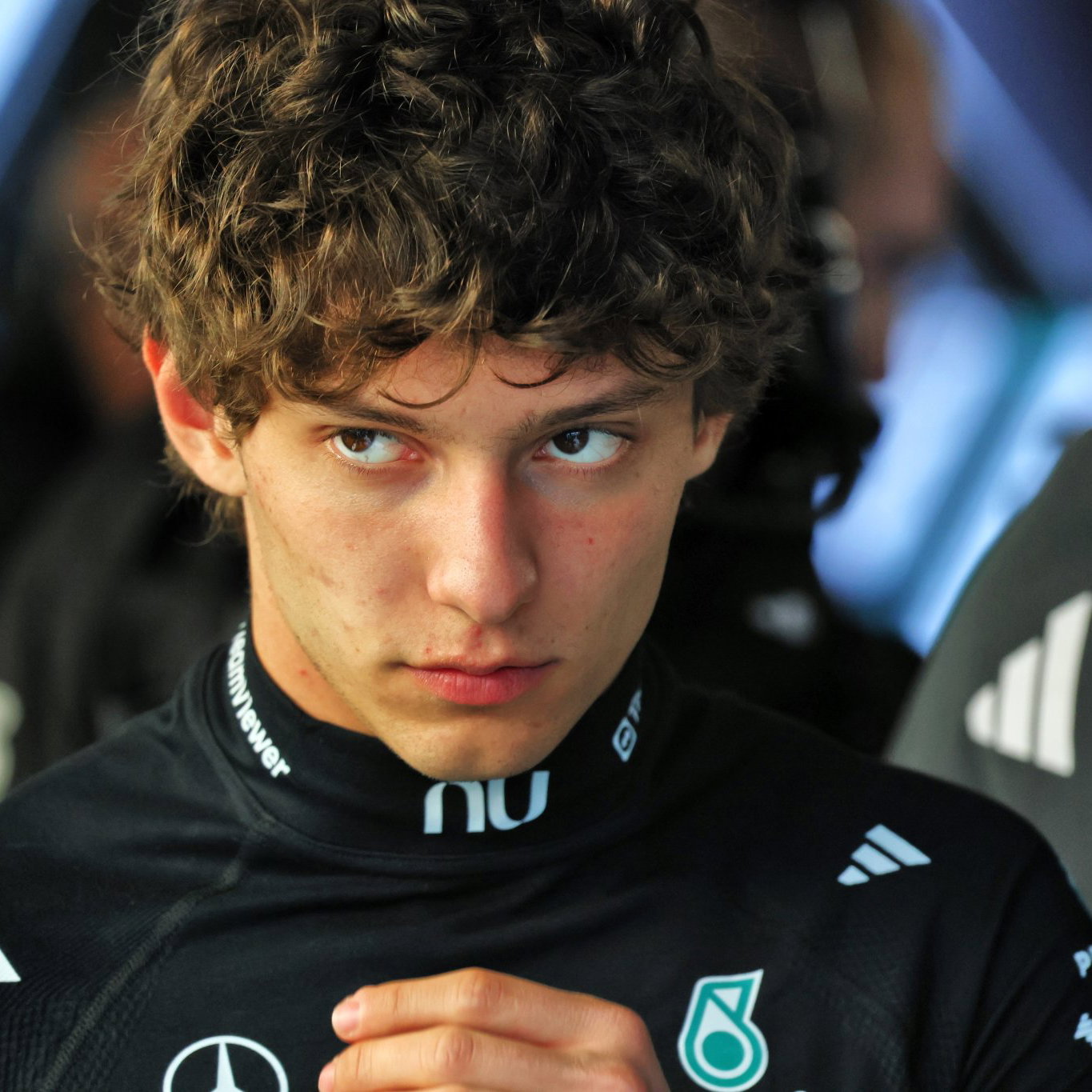
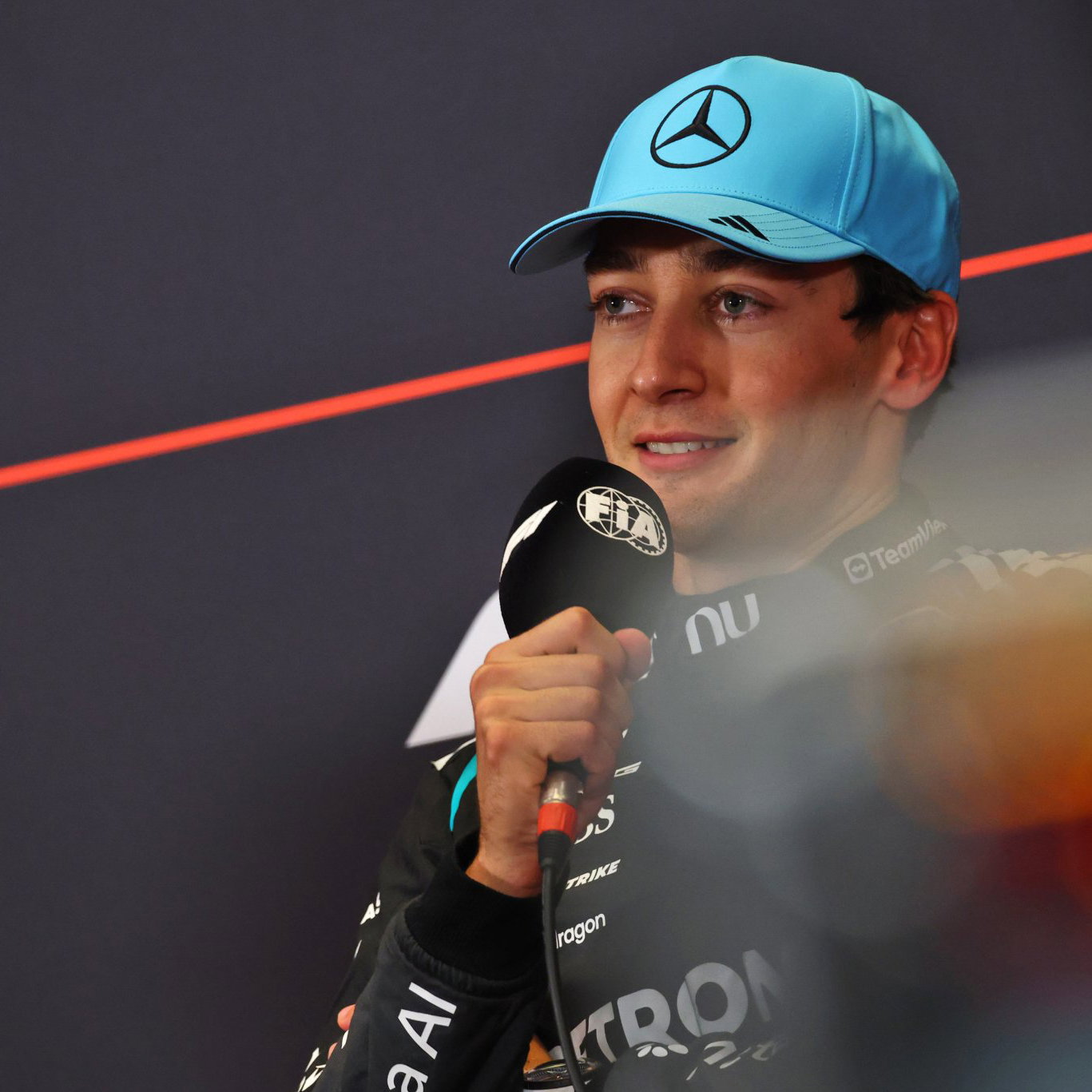
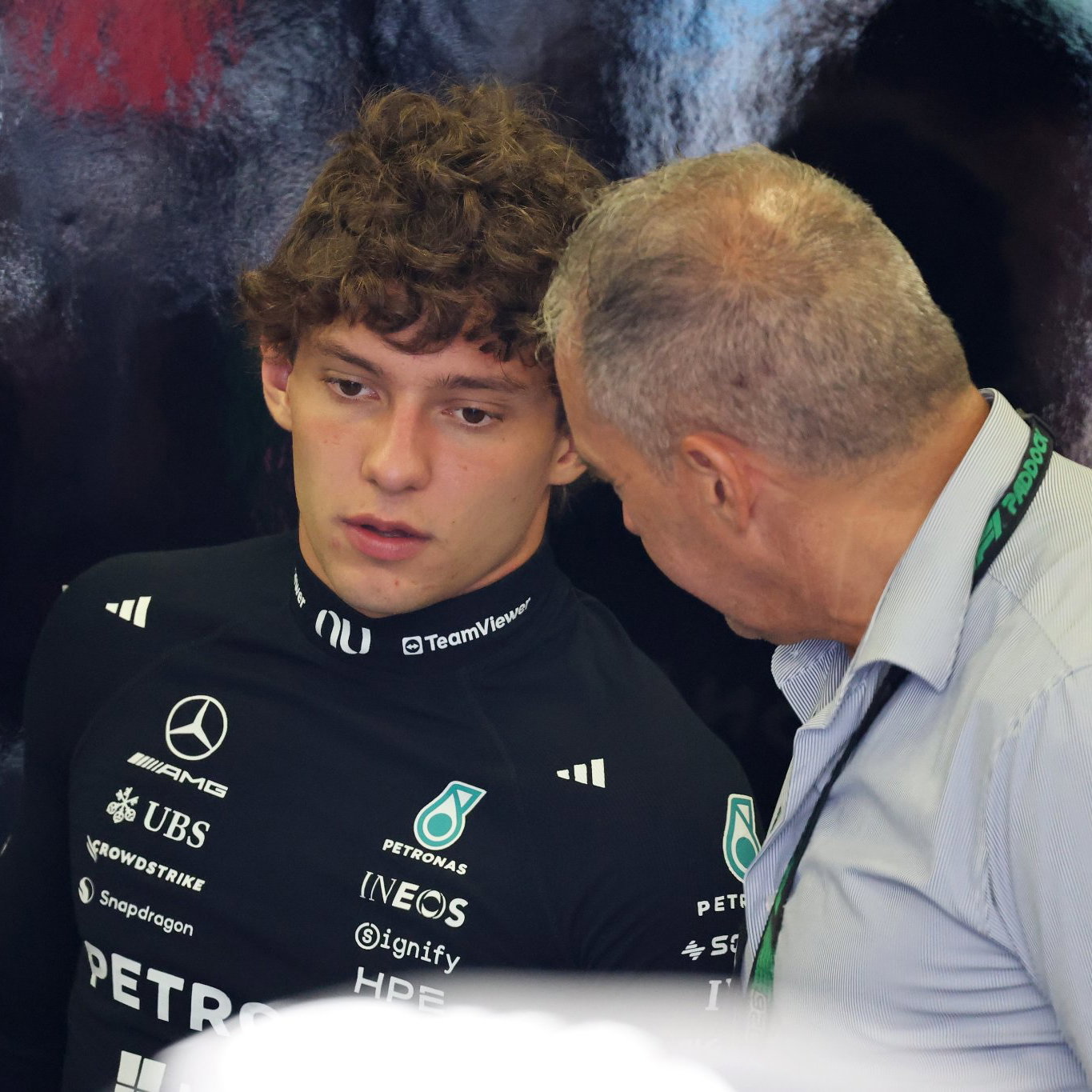
Mercedes face critical decision to avoid "uncomfortable" F1 title run-in
Mercedes must get this call right or things could get very tense come the end of the Formula 1 season.

Mercedes technical director James Allison has explained the critical decision facing the team in the coming weeks, as the Silver Arrows look to clinch a first title of any kind since 2021.
Mercedes made a strong start to the Formula 1 season but has since seen its advantage eroded by Ferrari and McLaren, as each team has brought significant upgrades to the track.
Having looked in a dominant position to take both titles - both the team and driver Kimi Antonelli remain at the top of the respective tables - the improved pace of rivals cannot be ignored, which will likely force Mercedes to develop its car deeper into the season than initially planned.

However, this comes with a cost, with McLaren and Red Bull recently conceding that a focus on last year's championship battle put them on the back foot into the new era of regulations this term.
"It's going to be fascinating," Allison told the Nu Silver Arrows Radio Show.
"Every Formula One team faces the same dilemma at some point in the season: when do you stop developing the current car and switch your focus fully to next year?
"The difficulty is that development rates are still exceptionally high. If you stop too early and your competitors continue finding performance, the final part of the season can become very uncomfortable.
"Our job is to judge that moment correctly."
With teams racing to a set of all-new regulations this year, pushing development as far as possible will almost certainly yield an advantage in the current battle.

Although the regulations remain relatively stable into 2027, there are enough differences to necessitate a choice of which project to spend the limited budget and aerodynamic testing time.
Allison added: "We need to continue bringing performance to the track at a rate that allows us to stay ahead of the development race while also making sensible decisions about how much resource we commit to the future.
"I feel optimistic about our position because I know what we've already seen in the wind tunnel and I know what is still making its way through the development pipeline.
"There is meaningful performance still to come. The challenge now is executing that programme effectively and ensuring those upgrades arrive at the racetrack smoothly and deliver the performance we expect.

Sam joined Crash.net in February 2026 with extensive experience in motorsport media, having covered numerous championships around the world.