Court date set for McLaren and Red Bull Monaco GP appeal hearing
A date has been set for McLaren and Red Bull's International Court of Appeal hearing over the Monaco Grand Prix result.

McLaren and Red Bull’s appeals against the decision to overturn Alpine driver Pierre Gasly’s pit-lane speeding penalty at Formula 1's Monaco Grand Prix will be heard next week.
Alpine won a right of appeal review against the penalty handed to Gasly which saw the Frenchman reinstated into third place, having been demoted to seventh in the initial classification.
This came after F1’s governing body the FIA admitted that the pit-lane speed limit had been miscalculated at Monaco.

Because other drivers served their penalties for the same infringement during the grand prix, rather than after the chequered flag as in Gasly’s case, F1’s stewards were powerless to overturn them.
Following the controversial Monaco Grand Prix, it was confirmed that McLaren and Red Bull had lodged a protest in an attempt to reinstate the two time penalties Gasly originally received.
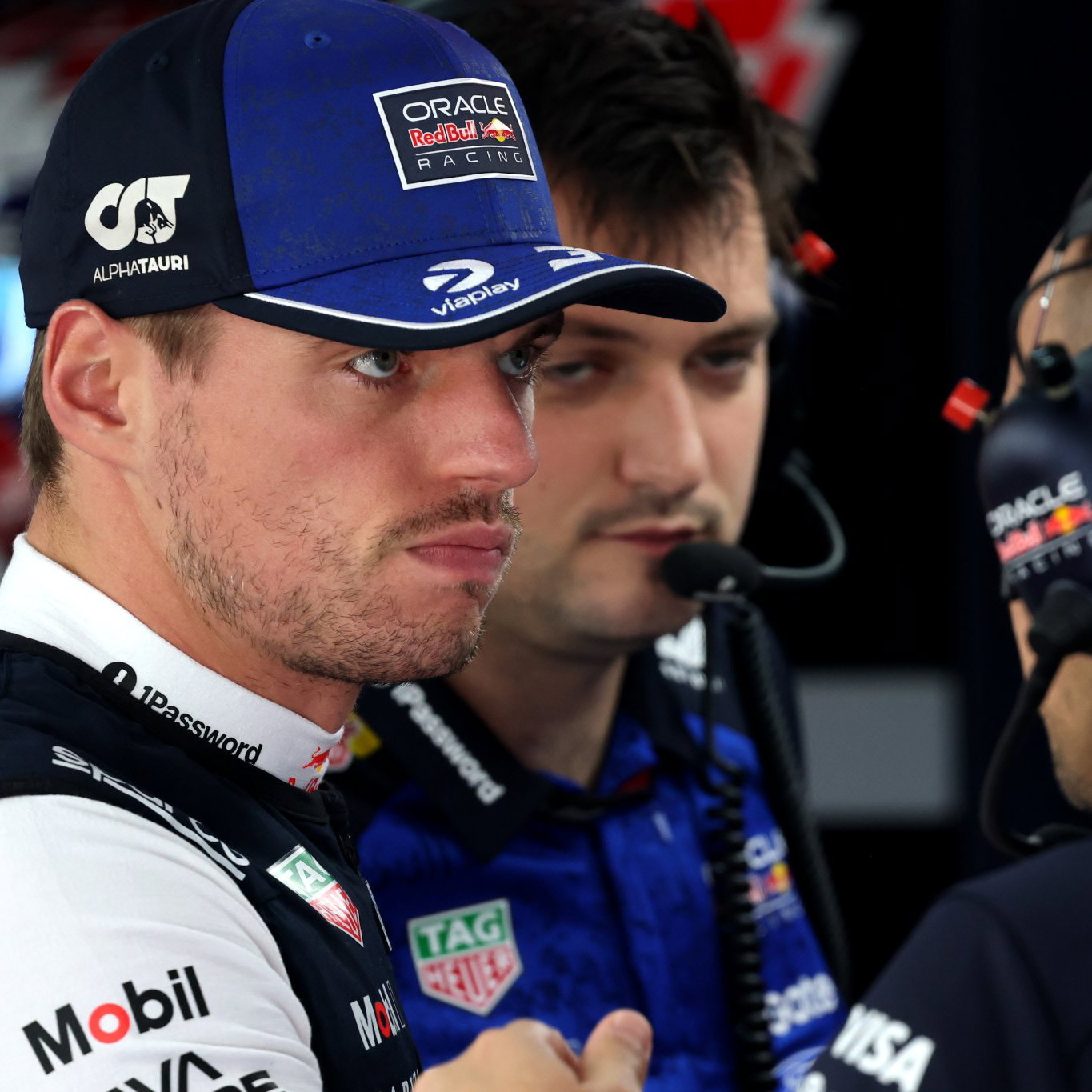
Isack Hadjar, who stood on the Monaco podium after taking third following Gasly’s punishment, was stripped of his maiden rostrum for Red Bull and had to hand over his trophy to his fellow countryman.
He was classified fourth in the final race result, one place ahead of Oscar Piastri, who was among the drivers to serve his penalty during the race.
The FIA has confirmed its International Court of Appeal will hear the teams’ submissions on Tuesday 25th August following this weekend’s Dutch Grand Prix at Zandvoort.
The hearing will take place behind closed doors at the FIA’s headquarters in Paris.
A McLaren statement confirming its appeal said: "This case raises important questions concerning sporting fairness, regulatory consistency and the integrity of competition.
"Throughout the Monaco Grand Prix weekend – and in every event - all teams operated according to the regulations and established standard practices for what concerns the speed limit in the pit lane as they were applied at the time.
"Competitors adjusted their procedures accordingly and, where required, accepted and served penalties imposed under those regulations.
"In our view, the subsequent removal of penalties creates a situation in which some competitors are disadvantaged by having acted in accordance with the rules and the Stewards' decisions.
"Such an outcome risks creating sporting inequity and undermining confidence in the consistent application of the FIA sporting regulations."

Piastri raised concerns about a “tricky precedent” being set.
"I've never seen a race like that, where there's so many pit lane speeding penalties, and in my case specifically, I knew I wasn't speeding either," Piastri said at the Austrian Grand Prix.
"But the approach is always, well you have the penalty, you can't really argue with it in a lot of cases, which I think in 99 per cent of things is a good thing.
"The risk that we have now is any time a team or a driver feels that a penalty is potentially wrong, or they have a chance of changing it, you go through this whole cycle where we still don't officially know the results of the race a month later, which is the biggest thing.”
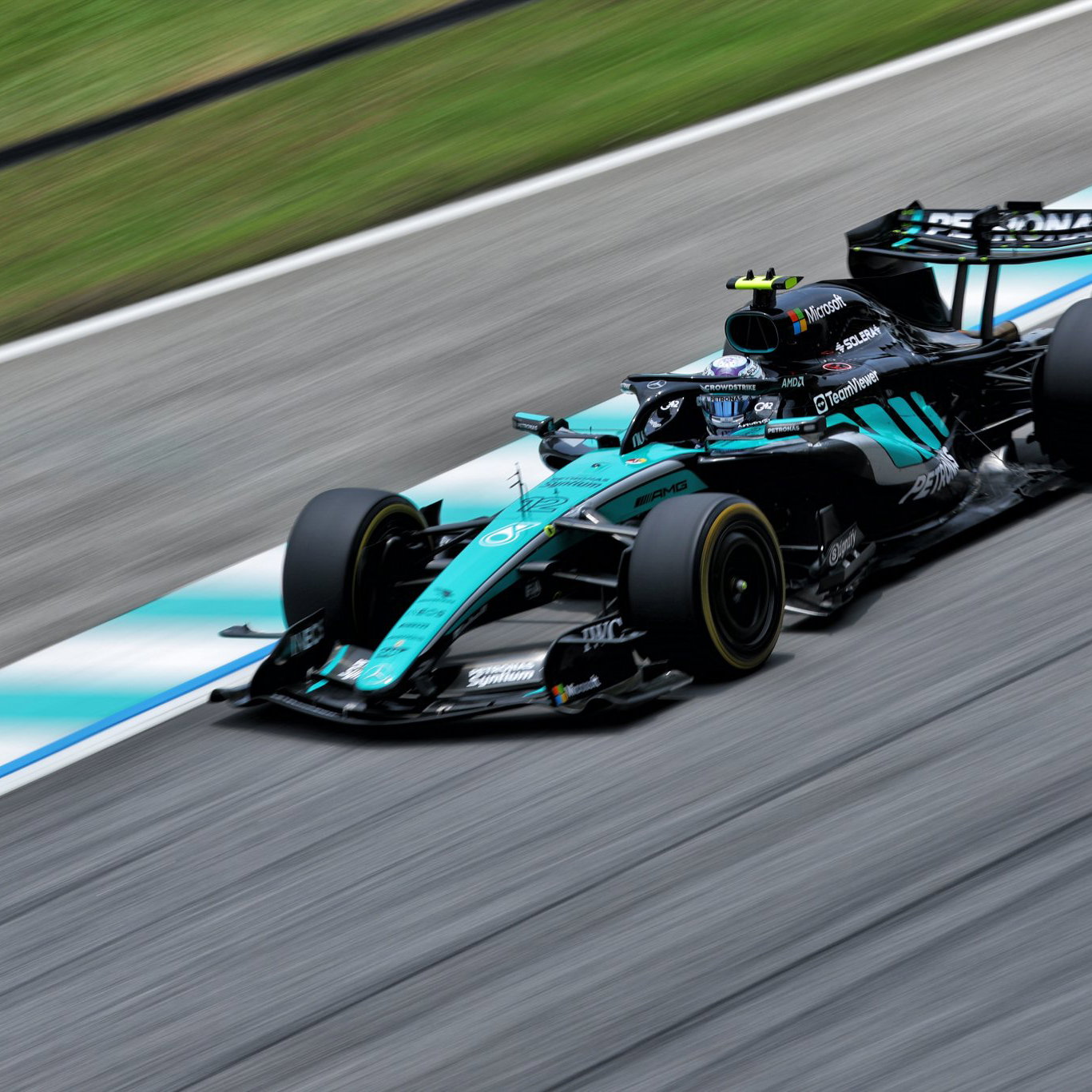
Mercedes withdrew its own appeal against the result of the Monaco Grand Prix after George Russell lost out due to the error.
Russell, who had been running in third, was handed a drive-through penalty for failing to correctly serve the penalty during a pit stop and subsequently dropped to 12th in the final results, costing the Briton 15 world championship points.

Lewis regularly attends Grands Prix for Crash.net around the world. Often reporting on the action from the ground, Lewis tells the stories of the people who matter in the sport.