“Not a good championship”: Former Jonathan Rea crew chief hits out at WorldSBK BoP
Former Jonathan Rea crew chief has hit out at the performance balancing rules in WorldSBK that he says have had “zero” impact.

Jonathan Rea’s former crew chief, Pere Riba, has criticised WorldSBK’s ineffective performance balancing system, saying it has had “zero” effect on the series’ competitiveness.
Since 2025, WorldSBK has used fuel flow controls to balance the performance of the bike, having used a rev limiting system before that.
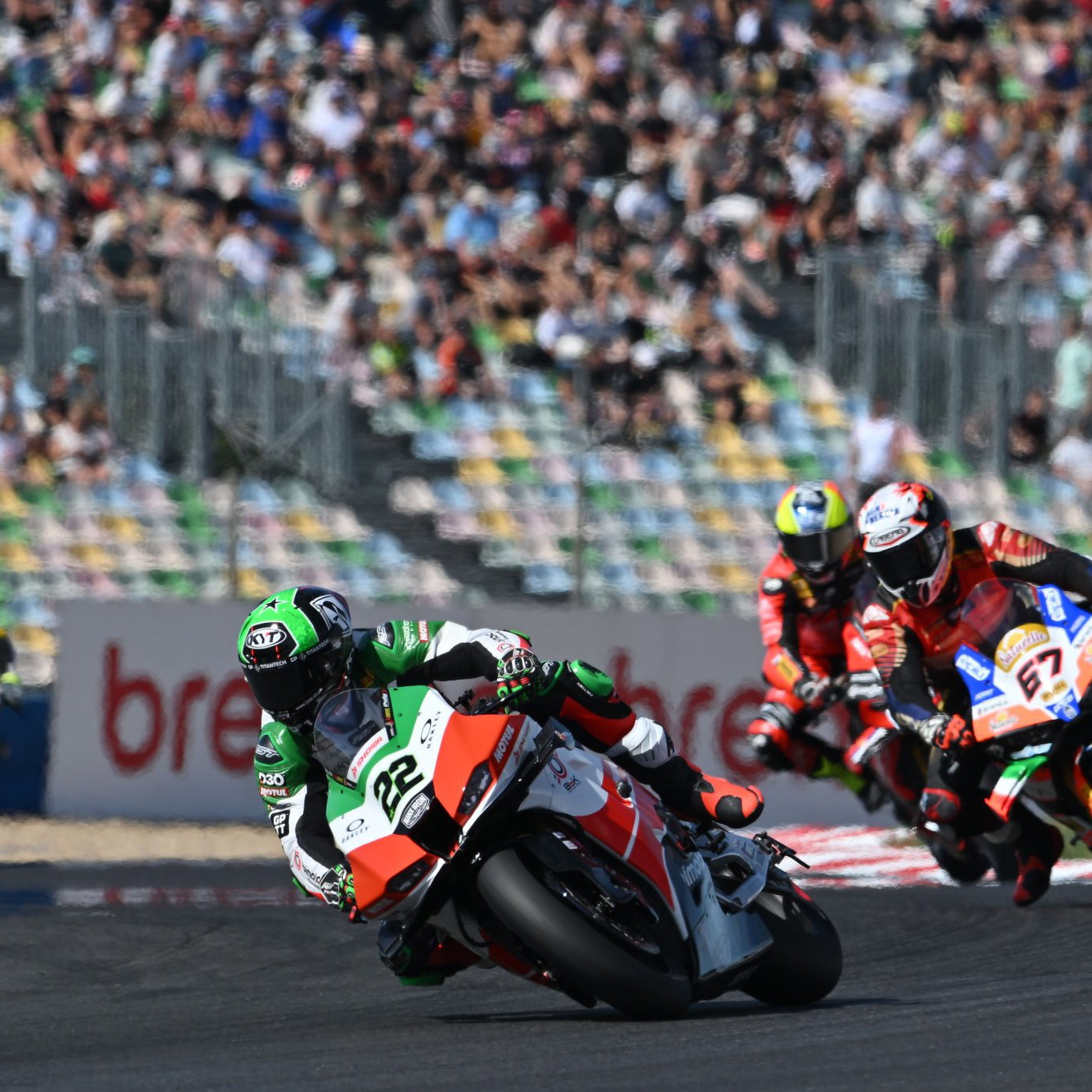
Ducati has the lowest maximum fuel flow of all the manufacturers, and has the minimum maximum flow permitted by the regulations at present, but has won all the races, anyway, with 1-2s for the factory team in the last 18 races.

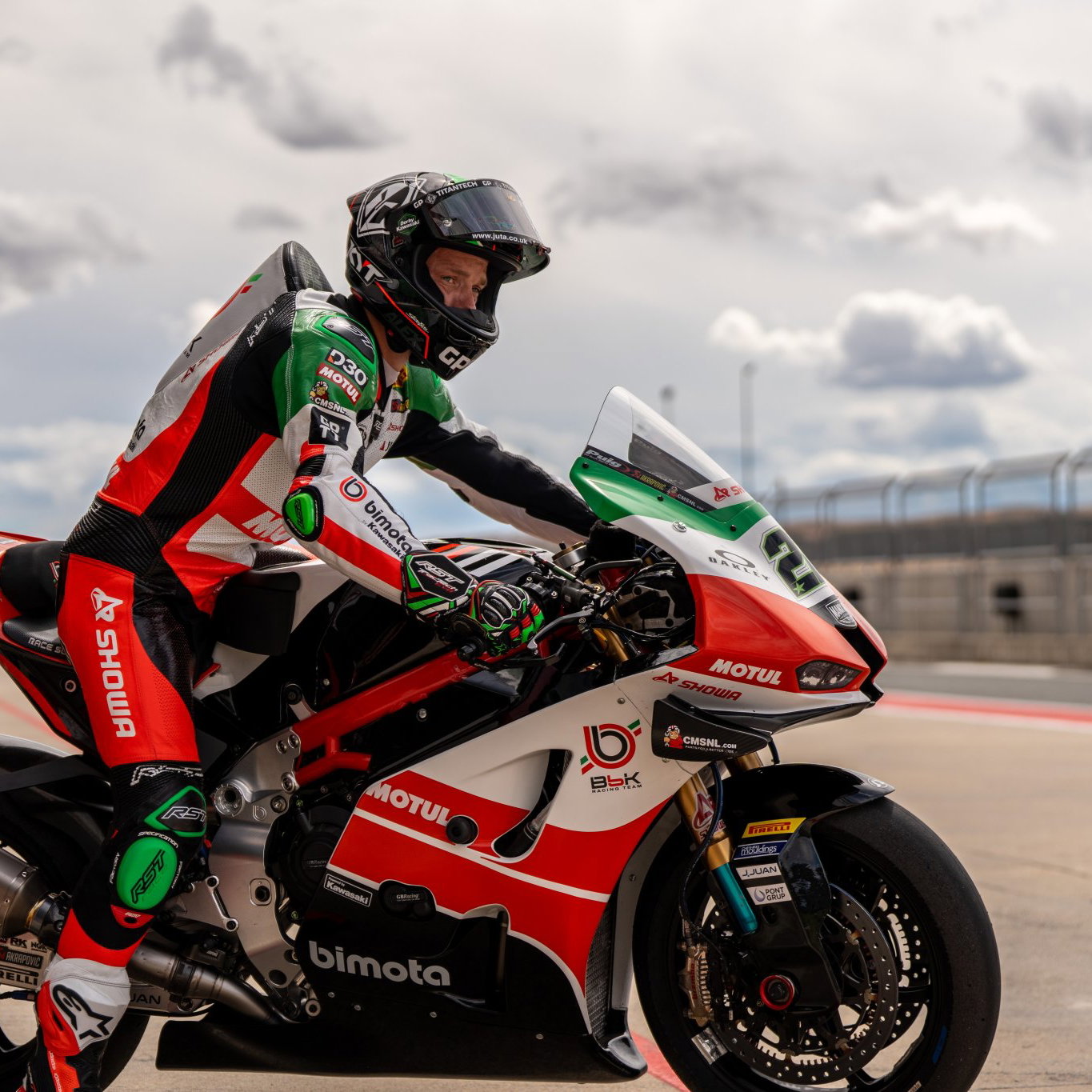
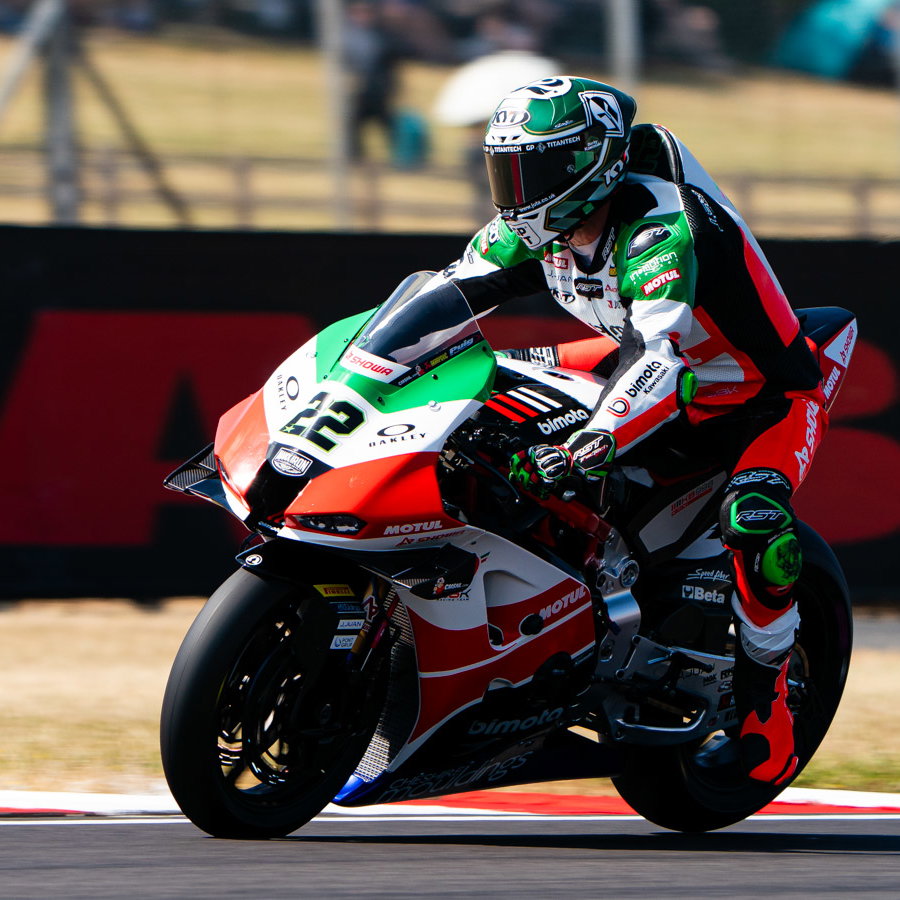
Pere Riba, who was Jonathan Rea’s crew chief at Kawasaki during his title years and has been Alex Lowes’ crew chief since Rea’s departure from the Akashi brand, explained in an interview with Italian publication Corse di Moto (published on 16 June) that the fuel flow method of performance balancing has had no positive impact on the competitiveness of WorldSBK.
“There are two ways to read it,” said Riba. “You can say ‘chapeau, you’ve been brilliant, you’re the strongest’.
“The second [option]: Superbike lives on the concept of balancing performance. I mean balance in general: technical and also non-technical.
“The key is the concept: balance. They introduced fuel flow control, but it’s useless – you can all see it.
“So, the situation is that this kind of balancing doesn’t work. The result has been zero. Today we can only fight to finish behind the Ducatis.”
He added: “Don’t get me wrong, I don’t want to stir controversy. I’m just making two observations: Ducati has done an amazing job, the regulatory balancing doesn’t work.”

Riba also pointed to the new class in WorldSBK this year, Sportbike, as well as Supersport, as examples of how performance balancing can work well.
“The rev limiter wasn’t the perfect system, but it balanced things better than fuel control,” Riba said.
“I don’t want to get into technical evaluations, but I see that this year they launched Sportbike.
“I see 400cc bikes racing against 800cc bikes, with different cylinder configurations, projects, and vehicle identities that are very far apart. Yet the races are beautiful, and the same goes for Supersport – it’s spectacular.
“Superbike is not.
“I’m not pointing fingers, I’m just saying that Superbike today is not a good championship.”
Changing the rules is complicated by the unanimous vote required from the MSMA members, which Riba also believes is a flawed system.

“Right now the rules go through the MSMA, the manufacturers’ association,” he said.
“The brands involved in Superbike are five, and to change anything you need unanimity. If one vetoes, any change gets rejected.
“From my point of view it makes no sense, it’s not smart.
“There should be a more democratic criterion: if three propose changing course and two are against, the majority should prevail.
“Instead, if one party doesn’t like a proposed change, they can stop it. Everything stays frozen, and the result is right in front of us.
“I’m not blaming Ducati, or anyone. It’s the structure that doesn’t make sense.”

Alex joined the Crash.net team in August of 2024 having covered consumer and racing motorcycle news at Visordown for two years.