Revealed: Intriguing winglets appear as F1 teams exploit Monaco GP rule change
F1 teams have wasted no time in the hunt to find marginal gains at the Monaco Grand Prix.

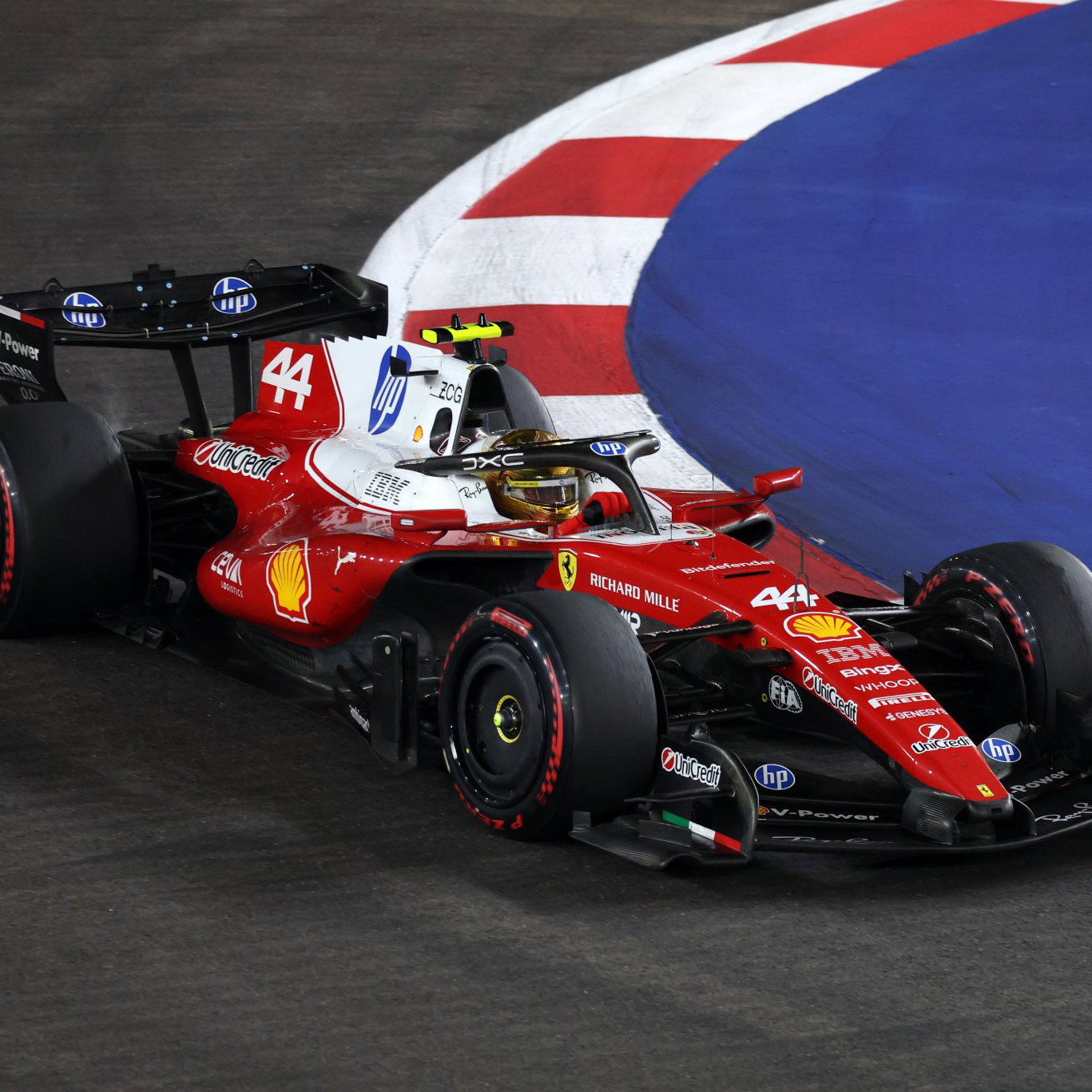
Mercedes and Red Bull are among the Formula 1 teams that have taken advantage of a rule change for the Monaco Grand Prix by introducing some eye-catching winglets on their cars.
With active aero banned for the first time this season because the FIA has designated no straight modes for the Monte Carlo Street Circuit, F1 teams have made the most of an opportunity to flex their ingenuity.
Some teams, including front-running outfits Mercedes and Red Bull, have replaced the rear wing actuators for straight mode with a series of eye-catching, mini winglets.

The FIA’s technical regulations state that all bodywork must fit into defined legality boxes which sit on top of the rear wing for the actuator housing, which used to be used for F1’s Drag Reduction System [DRS].
Despite active aero being scrapped for this weekend’s race in Monaco, teams have not wasted the chance to pursue alternative methods for achieving downforce.
Downforce is something teams chase for the tight, twisty and technical nature of Monaco. Due to low cornering speeds and less need for efficiency, teams tend to use their largest rear wing configurations.
Drag is less of a punishing factor in Monaco as none of the straights are long enough to effectively act as a penalty. In contrast, at circuits like Monza, teams will run with the lowest downforce and drag possible.
McLaren also appears to have a solution, while it does not look like Ferrari has exploited this area, at least so far.

Cadillac has removed the actuator section altogether in its approach to the Monaco weekend, while Racing Bulls has also made modifications to its actuator housing.
This is the latest classic attempt of F1 teams looking to benefit from any possible marginal gains.
What is active aero?
Straight mode has been introduced as part of the 2026 rules package and effectively replaces the former DRS F1 used between 2011 and 2025.
When activated, the front and rear wings move to reduce drag and allow cars to achieve higher top speeds.
The DRS-style slot gap on the rear wing, and front wing flap elements, can only activated when a driver is within a dedicated straight mode zone.
The Monaco Grand Prix will be the first race this season where straight mode zones will not feature at all.

Lewis regularly attends Grands Prix for Crash.net around the world. Often reporting on the action from the ground, Lewis tells the stories of the people who matter in the sport.