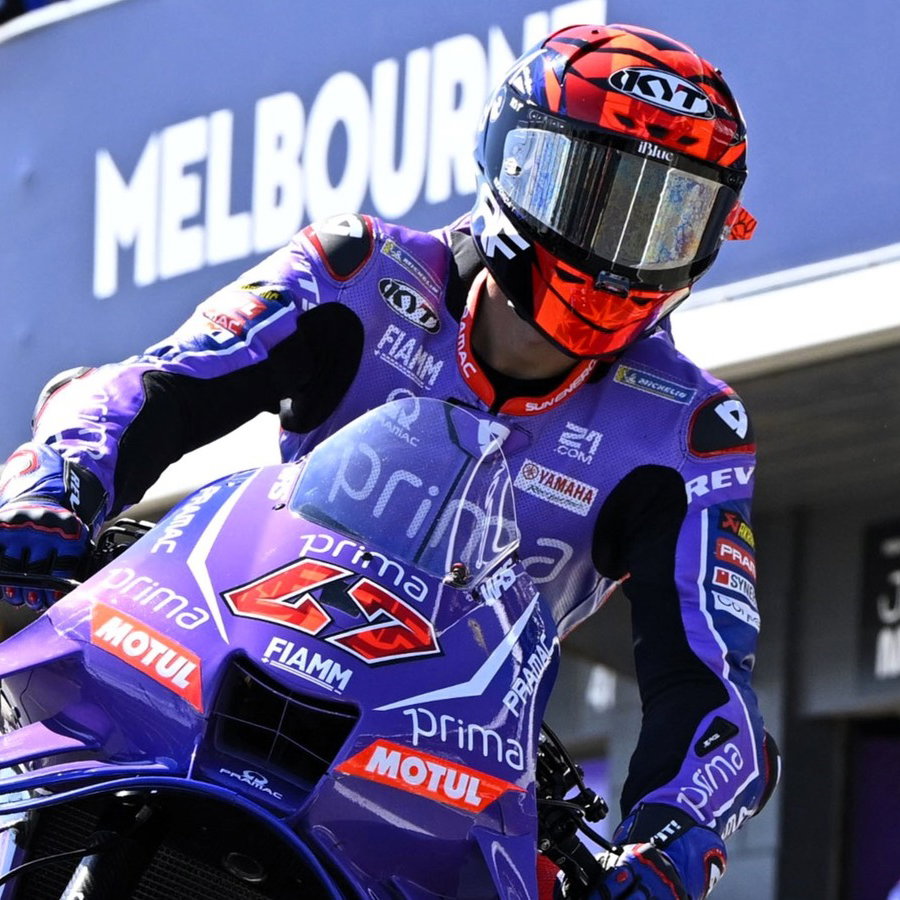
Yamaha’s Qatar bombshell has triggered a power struggle MotoGP may lose
Opinion: Yamaha’s decision to withdraw from the Qatar Grand Prix a major escalation in a standoff with the organisers that has been stirring for the past week. While it may seem like only the four slowest bikes on the grid won’t be present, Yamaha’s decision matters in more ways than one, while MotoGP now faces a power struggle it may ultimately lose…

The Qatar Grand Prix situation for the past week or so has felt increasingly like a Jenga tower becoming ever more unbalanced with each behind-closed-doors meeting held on the matter. Eventually, there was going to be a move that had to topple the blocks.
The riders have been pushing hard against racing in Qatar. That began with a secret meeting in Australia, which developed into demands for assurances being issued to MotoGP Group chief Carlos Ezpeleta.
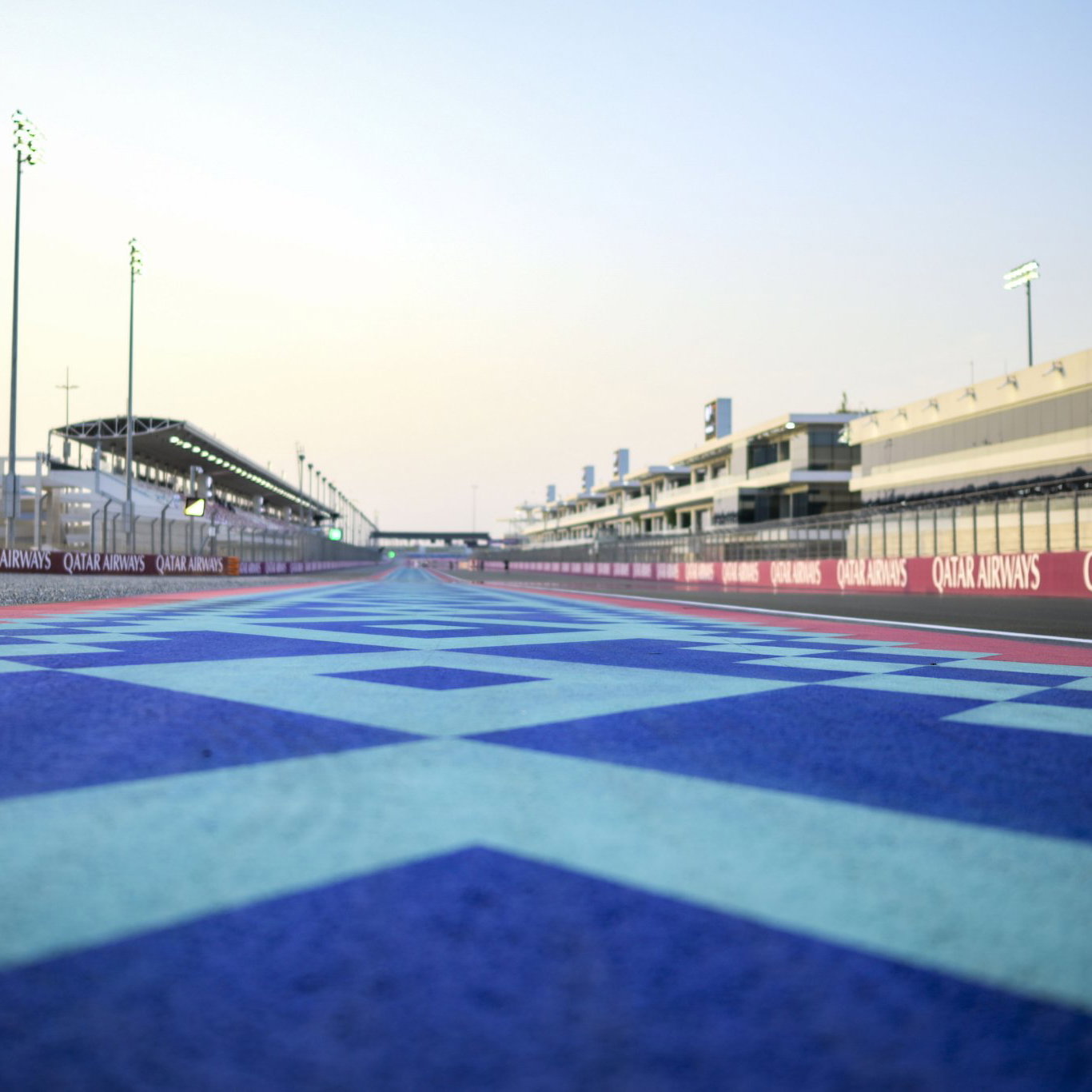
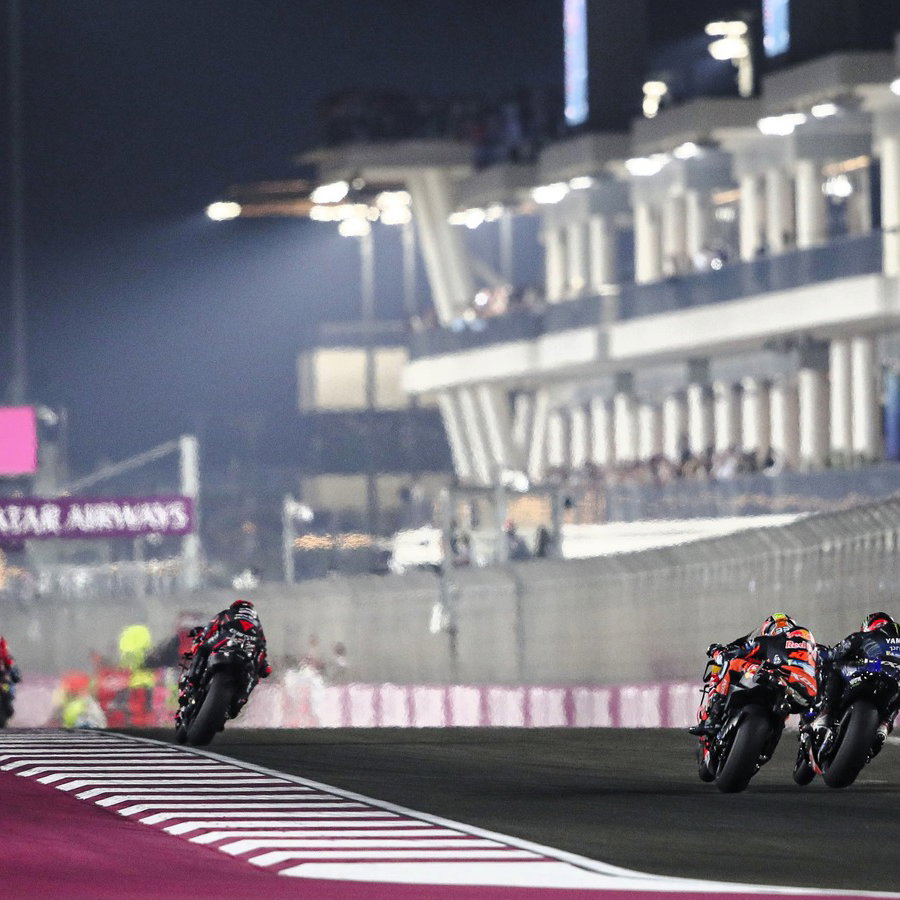
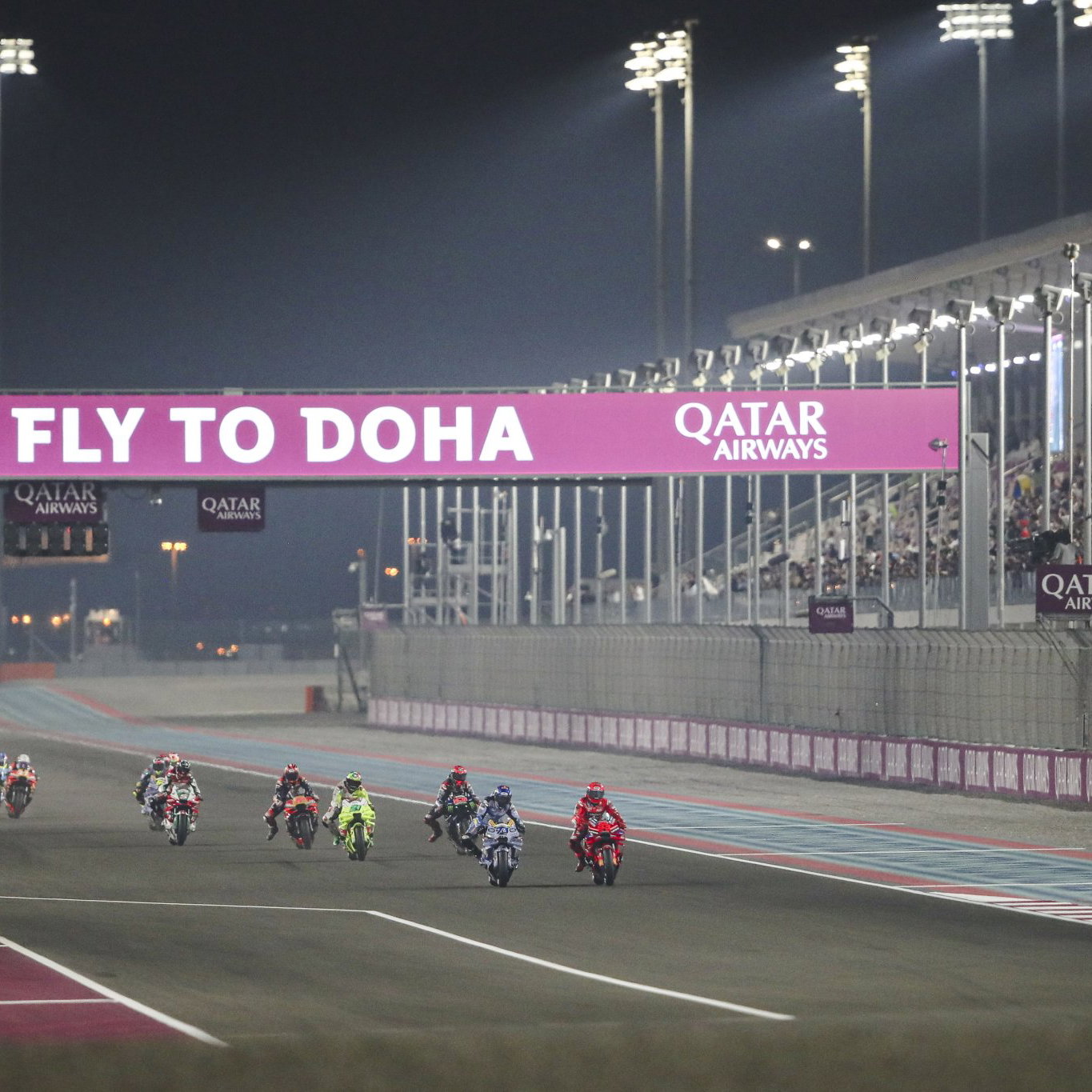
He flew to Qatar on Wednesday earlier this week to seek those assurances and try to convince both the riders, and the Qatari government, that MotoGP bikes will be at Lusail on the weekend of 6-8 November amid the uncertainty brewing over the Iran conflict.
The matter has continued to escalate. More riders have fallen in line with the boycott group; according to Jack Miller, 19 riders signed a letter that was sent to MotoGP on Sunday at Sepang as a final Hail Mary to get the race cancelled.

The response from MotoGP has been to double down. It has seemingly drawn up the evacuation plans requested by riders, as well as secured the various financial guarantees they needed should war break out again in the region and they become trapped in Doha.
That, as it happens, is a real possibility. The Middle East has been on high alert over the past few days as the Trump administration has reportedly warned its allies in the region that an intense military campaign against Iran is coming next week. The next move in this pantomime of violence will be known after the 3 November mid-term elections in the US.
But that may already be too late for MotoGP. The Qatar Grand Prix is due to begin on 5 November with the Thursday media day; not that many broadcasters will be on the ground. At this stage, only DAZN has committed to sending its TV team to Qatar; everyone else is staying well out of the way.
Not only is the paddock at risk from a safety perspective, but any escalation in the conflict next week in Iran could close the airspace in the region and trap everyone there. That pretty much ends any hopes of the Portuguese and Valencia Grands Prix from running at the end of the month - two races that were, much to the annoyance of a lot of people, postponed a week to make room for Qatar after its April slot became unviable.
MotoGP, then, is taking a lot of risk just to hold one race. But it’s a race of great financial significance. MotoGP is, after all, a business. And business interests will always play a considerable role in decision-making, even if that is to the detriment of safety.

But business interests have not been enough to stop Yamaha from a major escalation in this standoff between the paddock and the championship over racing in Qatar. The Iwata brand said it would not be travelling to Qatar based on its company-wide travel advice, which falls in line with the government’s stance on this. That is significant because it is at odds with what MotoGP has been telling teams, based on its and the Qatari government's assessments on travel.
That means Fabio Quartararo, Alex Rins, Jack Miller and Augusto Fernandez will not be on the ground in Qatar. Pramac is sending its Moto2 team, but only after it was offered the choice and the squad agreed given Izan Guevara’s title hopes.
On the face of it, Yamaha pulling out means very little. After all, the M1 is the slowest bike on the grid and Qatar was likely to see all four of those bikes towards the back of the field anyway. That makes MotoGP’s threat of sporting sanctions seem somewhat meek. But Yamaha holds more power than it appears.
Yamaha may embolden others to make the same decision
As it stands, Aprilia, Honda, KTM and Ducati will be going to Qatar. When asked by Crash what Honda’s travel policy is based on Yamaha’s statement, HRC offered a vague statement: “Honda HRC will compete in Round 20 of the MotoGP World Championship held in Qatar. We have been working closely with the riders, our team members and MotoGPSEG to ensure the weekend goes ahead.”

But it’s unclear as of Sunday night how various Japanese members of Honda’s two teams feel about this, given Yamaha’s decision. VR46 Ducati team boss Uccio Salucci has also said that some of his team won’t be going to Qatar if they don’t want to.
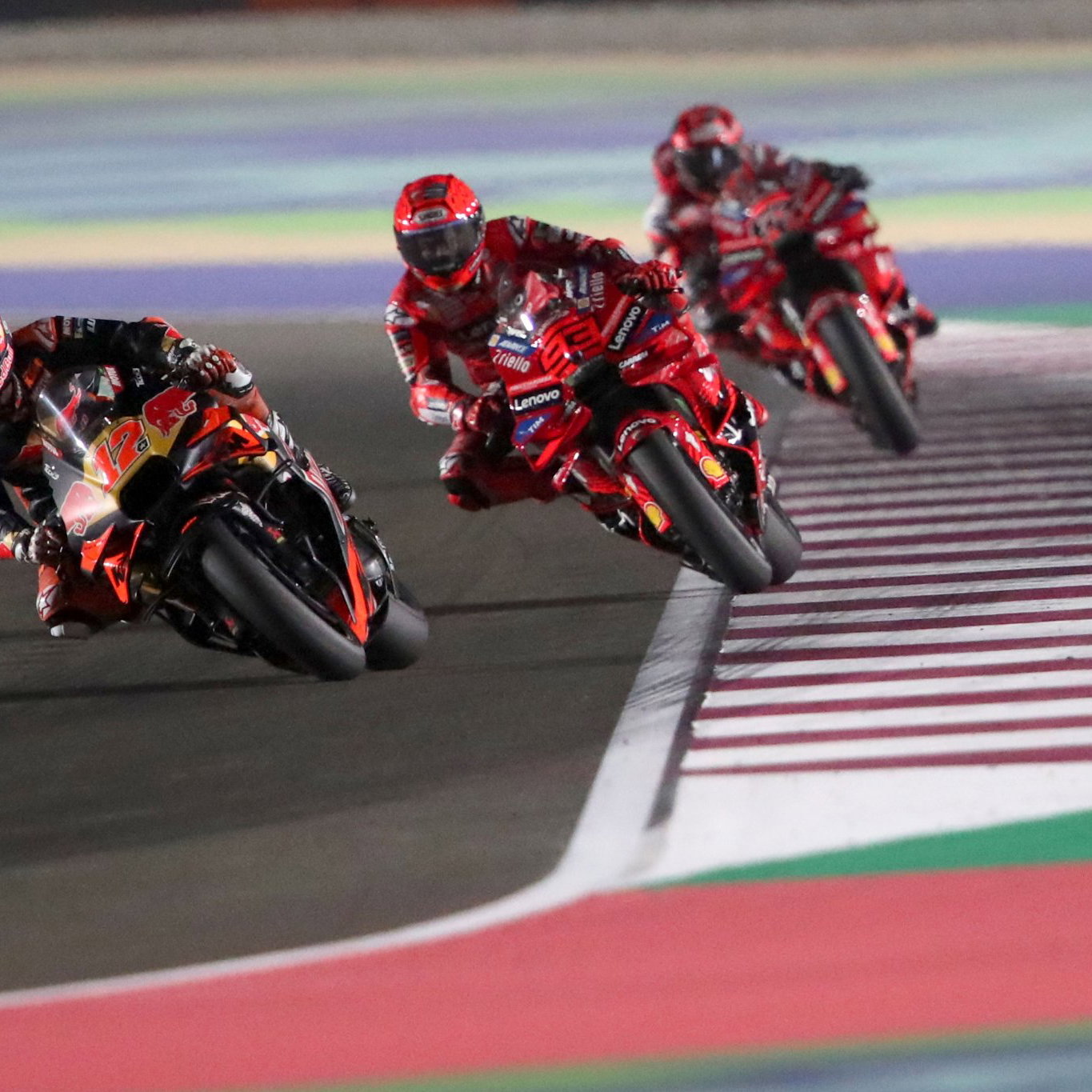
Arguably, the most to lose by not going to Qatar are Aprilia and Ducati. Marc Marquez can win the championship next weekend. If Ducati decides it doesn’t want to race, it leaves the door open for Aprilia to pull itself back into contention for the final two rounds. And if Aprilia doesn’t go, it has no hope of winning the championship. How that would play from a PR perspective, however, would overshadow this.
But Marquez is known to be fully against racing in Qatar and says he won’t arrive until the latest possible moment. The riders may yet still hold the power to change course.
The uncertainty of what sanctions for teams missing Qatar will look like is something that will also be at the forefront of decision-making. But it’s worth noting that the sanctioning body has been silent through all of this so far. Ultimately, MotoGP Group on its own doesn’t have the power to enforce such sporting penalties.
MotoGP Group, formerly Dorna, is fundamentally the commercial rights holder. There is an argument brewing that MotoGP is venturing into oversight territory that could explode into legal battles that will ultimately be damaging for the championship’s image.

With FIM president Jorge Viegas seemingly staying quiet on the matter, questions are now being raised about just who is actually in charge: the FIM or MotoGP Group?
The balance of power has been shunted into uncertainty. Yamaha’s decision to withdraw from Qatar may have repercussions for it on a sporting or financial side. But it also has some muscle to flex in that particular battle. The teams and manufacturers hold contracts with MotoGP Group; going against these is a big deal.
For all of its aggression in trying to keep everyone in line, MotoGP knows it can’t risk upsetting a major brand to the point it elects to quit. Yamaha gains a lot from MotoGP, so that would be an extreme last resort. But it would be a nightmare for MotoGP if there is a risk of Yamaha pulling the plug on both projects and leaving big riders like Jorge Martin, Ai Ogura and Toprak Razgatlioglu on the sidelines.
Prospective brands may also look very uneasily at their own plans to come to MotoGP if that happened.
Away from that extreme hypothetical, Yamaha does have other cards to play. Firstly, it doesn’t have to worry about reprisals over concessions being withdrawn, because everyone will start next year on the same footing under the new 850cc regulations.
Then there is Moto3 in 2028. Yamaha has been tapped up to provide the bikes for the category’s shift to a single-bike class. If this clash between the Iwata manufacturer and MotoGP Group escalates further, Yamaha could cause some headaches by re-evaluating its Moto3 programme.
Is the current regime at risk of collapse?
The best-case scenario for MotoGP is that the Qatar race goes ahead without an issue and the Yamaha boycott is dealt with quietly, out of sight and amicably, and this entire episode can be laid to rest.
But MotoGP is about to venture into a region that could descend into a war zone at any moment. Worst-case scenarios then become frighteningly real prospects.
What’s clear now is that this is a defining moment for MotoGP Group CEO Carmelo Ezpeleta and deputy CEO Carlos Ezpeleta. Several have likened the situation in Qatar with MotoGP to that of the Yugoslav Wars in 1991, which led to the Yugoslavian Grand Prix being cancelled and replaced with a round in Spain. That was a moment that helped Dorna earn the trust of the paddock. And Carmelo Ezpeleta, to his credit, has also steered MotoGP through some of the toughest times.

The difference this time around, however, is how much money is involved in the Qatar Grand Prix going ahead.
But MotoGP is exposed as a target. Liberty Media donated millions of dollars to the Republican Party in the 2024 elections in the US. If President Trump does escalate the war with Iran next week, a US-owned sporting event seems like an opportune target to be used against him.
If the worst does happen, MotoGP can’t say it wasn’t warned. So many governments, including Spain’s, are advising against all but essential travel to Qatar. MotoGP races don’t seem like essential things in a war. Serious questions face MotoGP's leadership if the paddock gets caught up in the avoidable.
MotoGP’s threats of penalties and race bans towards riders who want to boycott Qatar felt very much like an attempt to kill any plans for a riders’ union to be formed.
But that cat looks like it’s already out of the bag. Whatever happens next, the balance of power in the paddock is shifting. And there’s not much MotoGP can do about that…