Explained: Why George Russell’s F1 Austrian GP pole lap was allowed to stand
George Russell claimed a controversial F1 pole position in Austria, so why was it allowed to stand?

Eyebrows were initially raised after George Russell was allowed to keep his Formula 1 pole position at the Austrian Grand Prix despite passing yellow flags in qualifying.
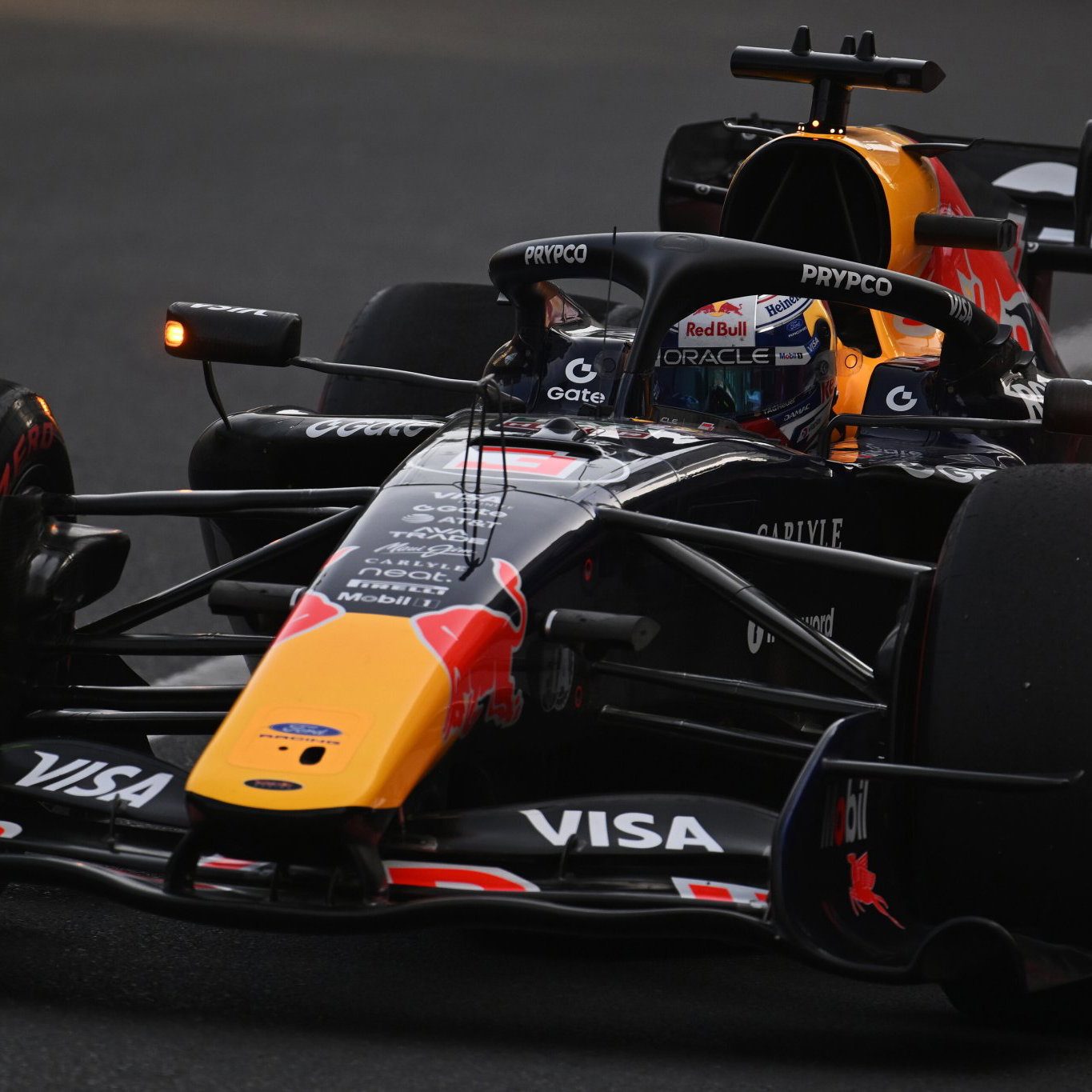
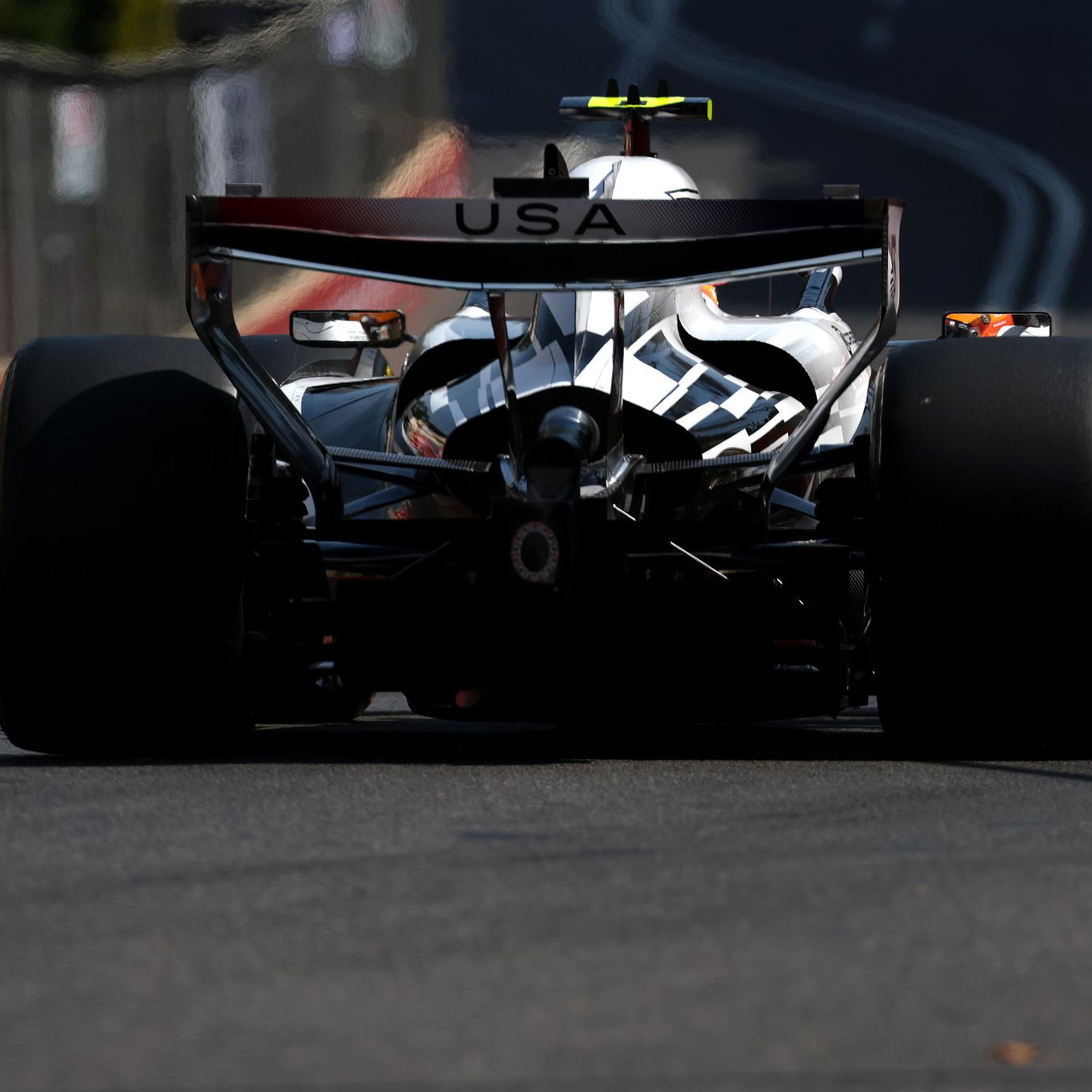
Russell snatched a last-gasp pole to deny the Ferraris of Charles Leclerc and Lewis Hamilton after passing yellow flags when Red Bull’s Max Verstappen suffered a heavy crash at the penultimate corner on his last lap of qualifying in Spielberg.
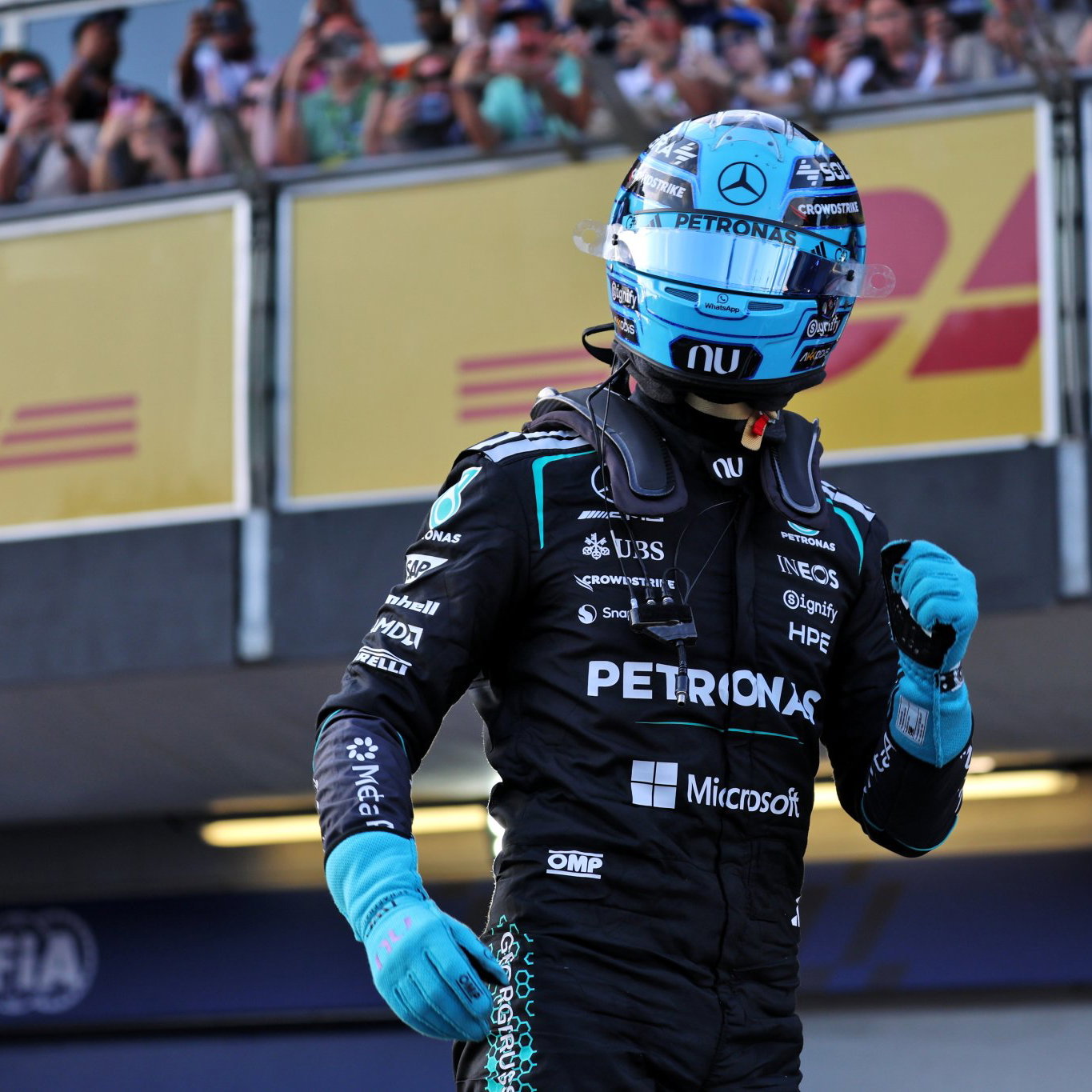
After crossing the line to take pole, Russell immediately insisted over team radio that he had slowed sufficiently when passing the scene of Verstappen’s accident at as a dramatic qualifying ended in controversial circumstances.

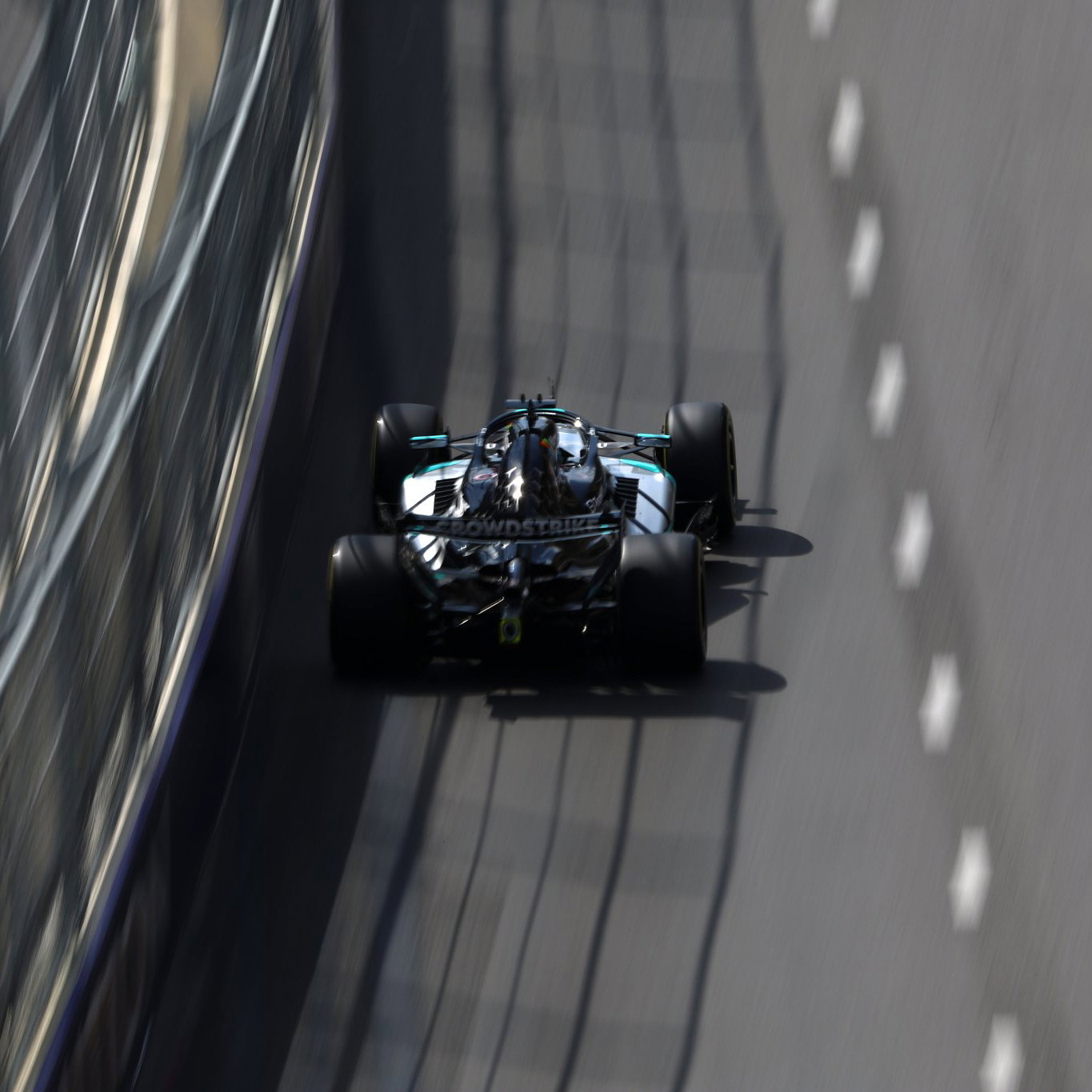
“I had a big lift," Russell explained after qualifying. "I went into the corner 0.5secs up and I came out 0.25secs up. It was great to get that lap.”
A single yellow flag had been shown trackside but confusion was caused when the official timing screens from race control suggested there was a double waved yellow flag on the approach to Turn 9.
Under double waved yellows, drivers are not allowed to improve their lap times. Had this been the case, Russell would have had his lap time deleted.
When an incident is covered by just a single yellow, Article B1.8.4 of the 2026 sporting regulations states: "Any driver passing through a waved yellow flag marshalling sector must reduce their speed and be prepared to change direction.
“In order for the stewards to be satisfied that any such driver has complied with these requirements they are expected to have braked earlier and/or discernibly reduced speed in the relevant marshalling sector.”
Crucially, Mercedes was able to prove from its data that Russell did slow down enough.
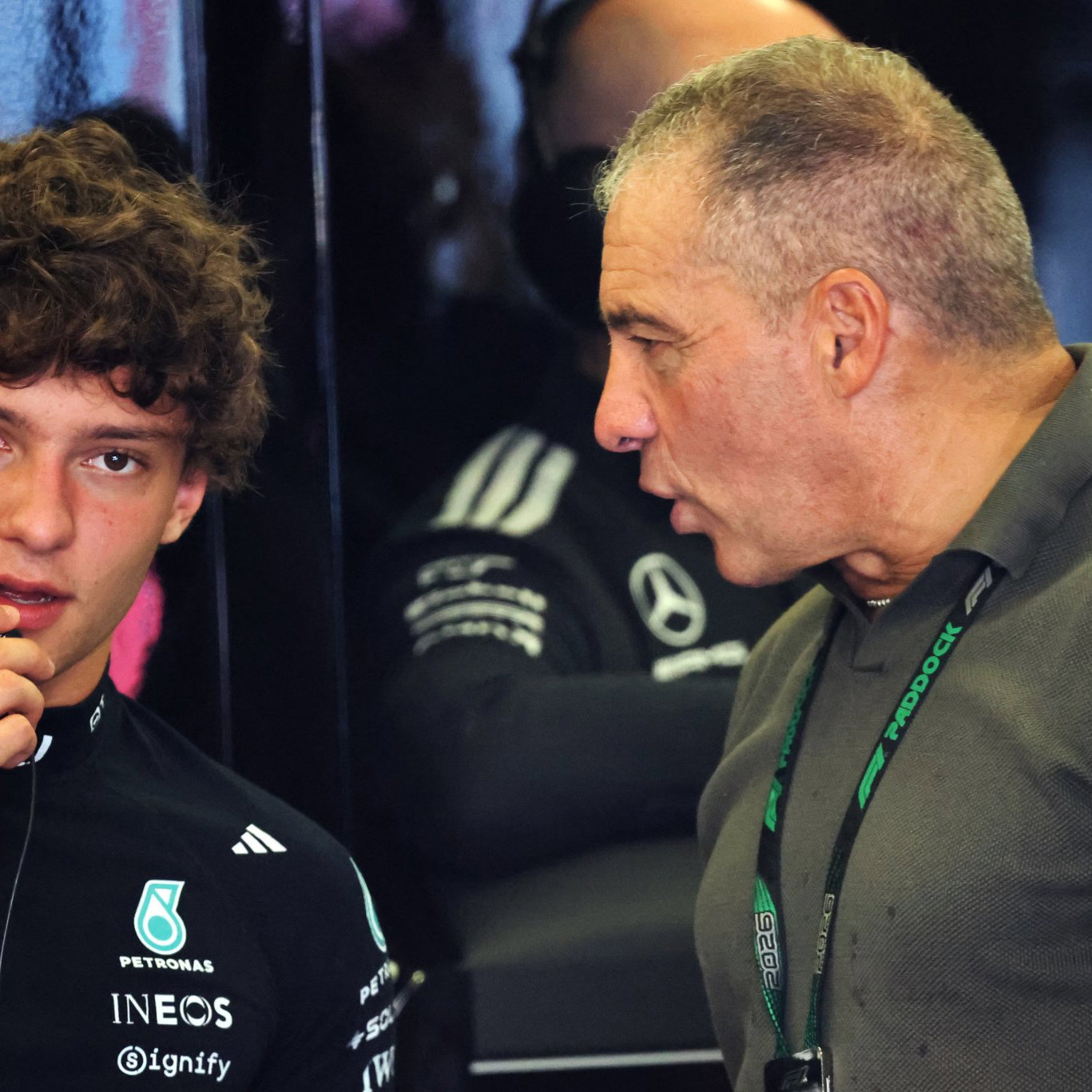
"It's a single yellow and a 100-metre lift-off, George loses a tenth and a half. It's completely on," Mercedes chief Toto Wolff told Sky Sports F1.
"It was an incredible lap, and you see it on the data. It's a massive lift compared to all the laps before, so well done him. I'm really happy for him, how he managed that."

The incident was analysed by former F1 driver and Sky Sports F1 pundit Anthony Davidson after qualifying.
"That’s a lot earlier and a lot more of a lift-off than your typical lap, especially on a push lap," Davidson explained as he reviewed footage of Russell’s pole lap on the SkyPad.
"So, to be fair to George, he’s telling the truth, he lifted off a lot into that corner, and the data will show that.
“And then on the exit, on the left, you can see the green light and therefore green flag.”
Sky Sports F1 analyst Bernie Collins argued why the debate was “case closed”.
"In the data, and everything I can see, at the point George Russell and Kimi Antonelli went through that sector, it was not a double-waved yellow flag,” Collins explained.
"And in reality, it was not a double-waved yellow flag. It is case closed. It is a red herring to say that it looked physically like a double-waved yellow. It only went double-waved on his in-lap, so it should stay.”

Lewis regularly attends Grands Prix for Crash.net around the world. Often reporting on the action from the ground, Lewis tells the stories of the people who matter in the sport.