FIA approves power split crucial to Max Verstappen's F1 future
The FIA has confirmed a number of changes following a meeting of the World Motor Sport Council

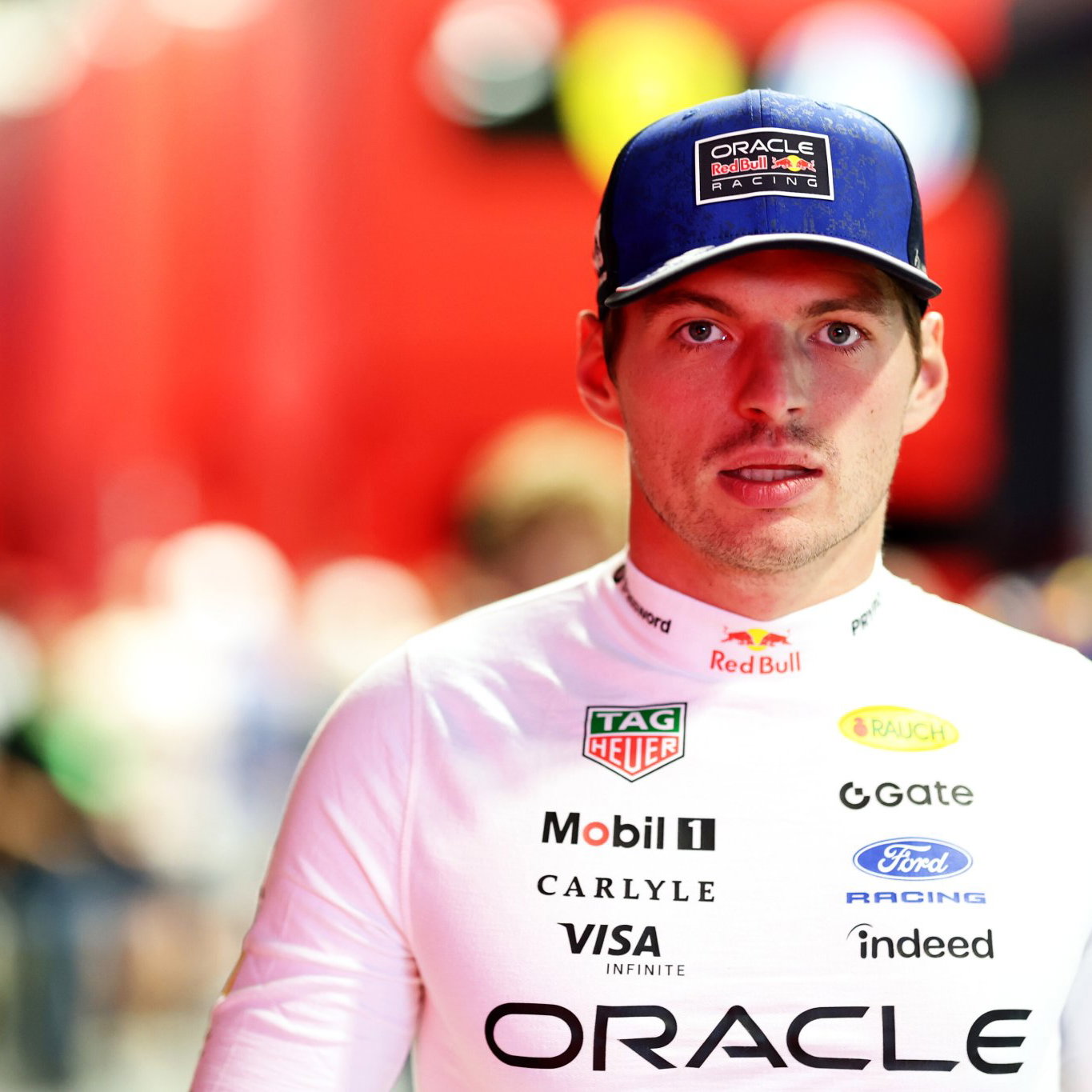
The FIA has ratified proposed changes to Formula 1 power units, moving away from the 50/50 power split that has frustrated drivers, most notably Max Verstappen.
Ahead of May's Miami Grand Prix, proposals were discussed in a meeting between the FIA, F1, teams and power unit suppliers, which would see the 50/50 power split between the internal combustion engine [ICE] and the electrical element dropped.
While changes enacted for that round were widely welcomed, Verstappen described the action as just a "tickle", with large alterations needed. His continued threats to quit should the changes not be implemented were described as "real" by former Red Bull chief Richard Hopkins.
The approved proposals will see a steady increase in focus on the ICE across the coming seasons, with a 60/40 split being reached by 2028.

This will involve a 450kW output from the ICE - an increase of 50kW from the current power units - and a drop to 300kW maximum power from the MGU-K. However, overtake mode will remain at 350kW, and the maximum harvesting power will increase from 350kW to 400kW.
To gain the extra power from the ICE, the fuel flow rate will be increased by 5% in 2027, and 13% in 2028. This change previously caused concern, with suggestions that races could be shortened as a result. This is in part due to the cost cap implications of creating cars to all-new regulations this term, with some teams having hoped to carry their chassis into 2027 to balance the books. In this instance, simply fitting a larger fuel tank would not be an option.
The gradual switch to the eventual 60/40 split is likely a reaction to this, after there had been suggestions of shortening grand prix distances to negate the fuel difference.
“The FIA continues to oversee the evolution of the 2026 Regulations and work closely with all key stakeholders across the motorsport community," said FIA President Mohammed Ben Sulayem.
“As with every major regulatory change, the process does not end when the cars first take to the track. Continuous dialogue and collaboration are essential to ensuring that the regulations meet the needs of the sport, its drivers, and its fans. Together we are exploring the future direction of the championship and considering how the sport can balance innovation, sustainability, performance and fan appeal in the years ahead.
“The discussions around future power unit concepts, including V8 engines powered by sustainable fuels, demonstrate the willingness of all parties to engage in shaping the next chapter of the sport.”

What other F1 changes are there?
From 2027, pre-season testing will be expanded from three to four days, meaning that teams will no longer face the need to split at least one day of running between their drivers.
While they may still elect to field different faces across the morning and afternoon sessions, the two-day split per driver makes a neater split while increasing the development time.
A declaration of a 'Heat Hazard' can now be split between the Sprint and the Race. This can now be declared for either session, or both, 24 hours prior to the start time.
Boost mode has been reintroduced in wet or poor visibility conditions. However, this capability will remain limited, with the aim of preventing power reduction without increasing the overall output. This is a change made on safety grounds.

Sam joined Crash.net in February 2026 with extensive experience in motorsport media, having covered numerous championships around the world.