Why 2026 F1 engine problems couldn’t have been avoided
The FIA has opened up on why various issues with the 2026 F1 cars couldn’t be avoided

The FIA’s single-seater chief Nikolas Tombazis says the governing body didn’t have the necessary backing the manufacturers to tweak the 2026 Formula 1 power unit rules, having anticipated problems.
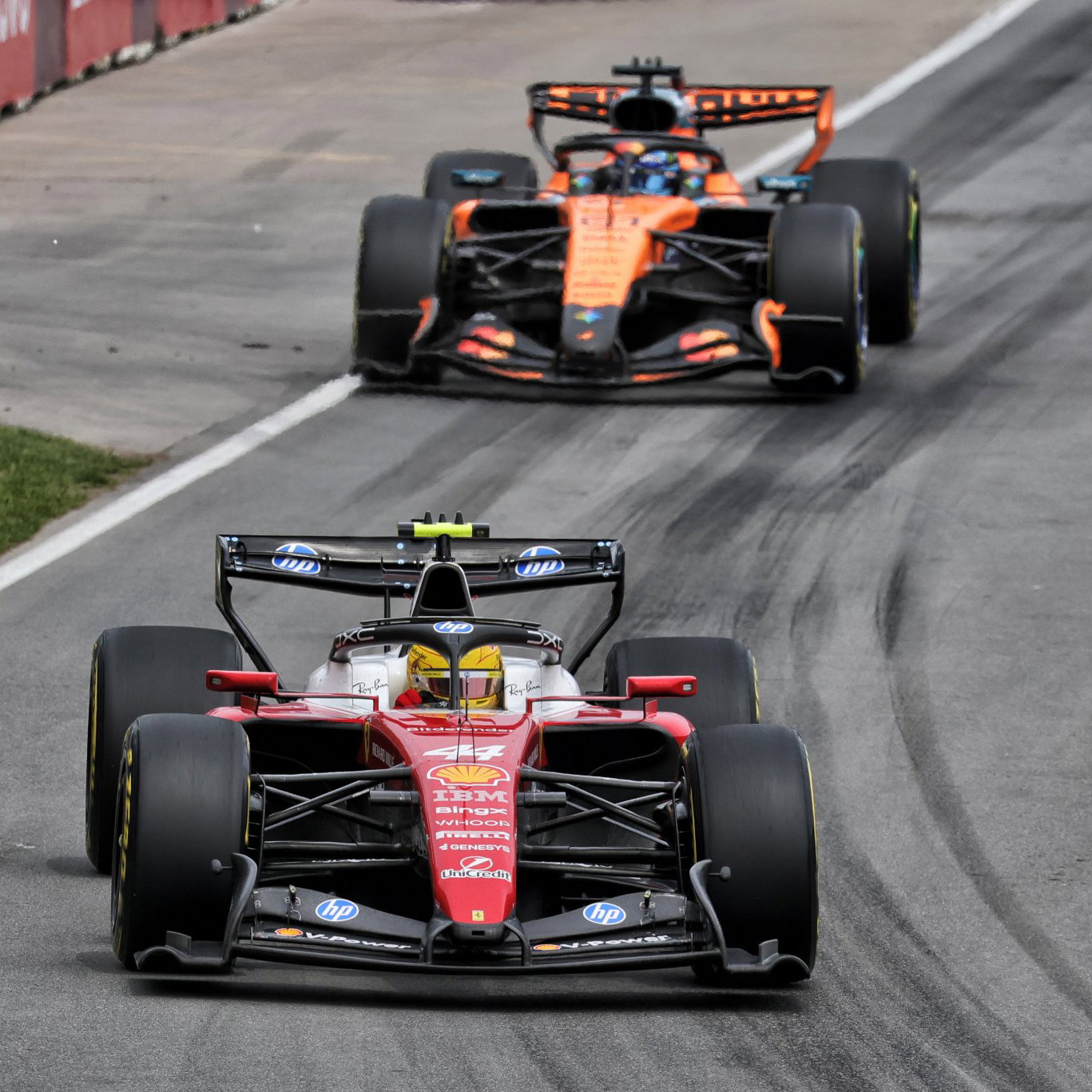
The new regulations have been widely panned by drivers and fans alike, with the 50/50 power split leading to a greater emphasis on battery management.
This has led to cars losing speed on straights as batteries drain, while F1 has come in for flak for removing graphics from TV broadcasts in an apparent attempt to mask these issues.

The 50/50 power split will be altered over the next few years towards 60/40 in 2028, while the FIA made tweaks to the rules at the Miami Grand Prix in a bid to minimise some of the extreme ‘superclipping’.
But these have done little to improve opinion, not least after the Belgian Grand Prix at Spa.
“Four of them did not agree…”
A number of drivers took aim at the FIA for not doing more to anticipate these issues and implement better measures ahead of the new campaign.
Tombazis, as reported by The Race, said the FIA did expect these issues to arise, contrary to what the drivers say, but major changes to the rules ahead of 2026 could not be made.
This is because any rule changes had to be agreed on by four manufacturers, the FIA and FOM.
“If a PU manufacturer who was not participating in F1, let’s say Audi, for example, they still had to be bound by the regulations,” Tombazis explained.
“They could not come to us and say, ‘Well, you know we’re not participating, hence we can spend five times the money’, for example.
“That would have been unfair.
“So, that’s why there was a governance agreement that, on the one hand, forced them to be bound by the regulations, including the financial and operational, and all of that.
“But on the other hand, it puts limitations as to how much we can change things unilaterally as the FIA.

“Therefore, any change had to be approved by a significant number of the PU manufacturers. And so, for the sort of changes we did, we needed at least four of them to agree.
“Quite simply, four of them did not agree during the years when we discussed adjustments.”
Tombazis said earlier this year that future engine regulations cannot effectively be held hostage by the power unit manufacturers, for the good of the sporting side of F1.
F1 is expected to go through another engine overhaul at the start of the next decade, with a return to V8 engines touted as the way forward.
Tags: