Qatar F1 tyre problem worse than expected with “100% wear after 15 laps”
Pirelli has revealed that tyre wear at the Qatar Grand Prix has exceeded its pre-event predictions despite measures being introduced to limit tyre mileage

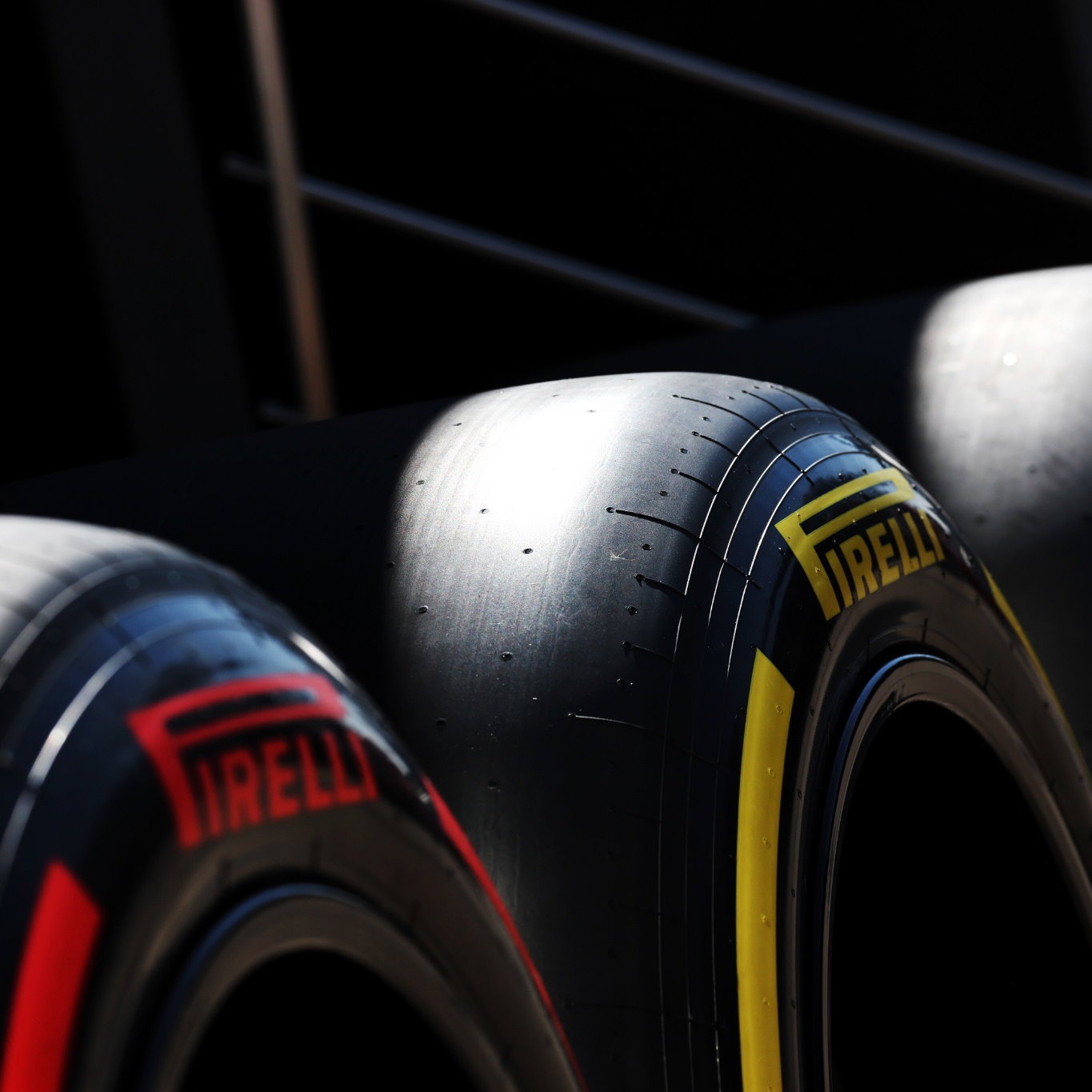
Pirelli has revealed that tyre wear at the Formula 1 Qatar Grand Prix has been more severe than anticipated, with some tyres experiencing 100% wear in localised areas after just 15 laps.
Ahead of this weekend's Qatar Grand Prix, a maximum mileage limit of 27 laps per set of tyres was introduced due to the demands of the Lusail International Circuit.
The restriction means that drivers will be required to make at least two pit stops during Sunday's 57-lap race. However, following Friday's two practice sessions, Pirelli discovered that the levels of tyre wear and degradation were higher than it had anticipated ahead of the weekend.
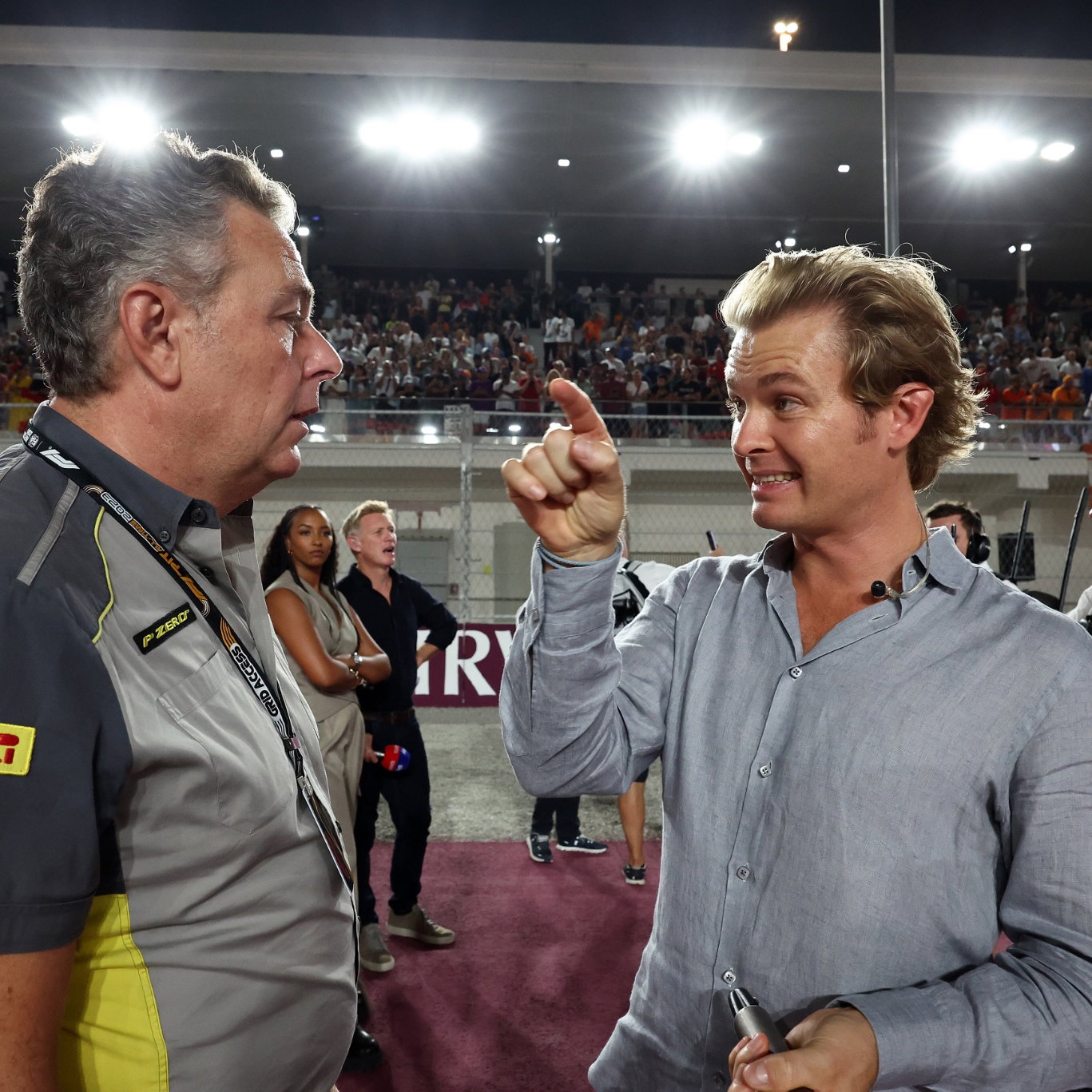
Pirelli chief engineer Simone Berra revealed that all three available tyre compounds had suffered from graining during high-fuel running.
“The point is that the graining level and the wear level are higher than what we expected pre-event. It's quite impressive, the surprises that this circuit gives us every time we come here,” Berra told the media following Friday's running at the Qatar Grand Prix.

“What we have noticed is that during the high fuel running, the graining is on all three compounds, C3, C2 and C1. C1 is slightly more resilient in terms of mechanical resistance, and the graining level is slightly reduced, while on C2 and C3, the graining level is moderate to heavy.
“That is accelerating the wear, mainly in two regions: the TWI 2 and 3 area, so basically towards the inside shoulder of the tyre, and then on the very outside shoulder of the tyre as well. We have two points of high wear, and we have seen cases of 100% wear already during the high fuel running after 15 laps.”
The unexpected levels of tyre wear prompted Pirelli to assess whether the existing 27-lap restriction needed to be reduced ahead of Sunday's race.
However, Berra explained that Pirelli expects the severity of the graining to decrease as the weekend progresses, with drivers also likely to manage their tyres more carefully during the race.
“We are evaluating all the sets that we have selected from FP1 and FP2. We are going to check them, to section them, and obviously, if there is no integrity issue, we will keep the 27 laps. We know that the graining level will reduce for the race, and the teams will do much more management to extend the stint length,” Berra explained.

“So, if they don't induce any increase in terms of integrity issues, then we can keep the 27 laps. But it's an analysis that is ongoing in our laboratory, so we are going to understand if we continue with 27 or not.”
Regardless of the mileage restriction, Berra believes the higher-than-expected degradation will discourage teams from completing the maximum permitted stint length.
Pirelli's simulations suggest that dividing the race into three equally split stints of 19 laps would be the optimum strategy, although a Safety Car intervention could force teams towards a three-stop strategy.
“I don't think it's really powerful at the moment, looking at the last analysis we have done, to do a 27-lap stint,” Berra continued.
“Because if you extend for so long, there will be a clear drop in performance of 0.2 seconds per lap, and that forces you to take a new tyre and stop earlier. So basically you can divide the race into three more balanced stints instead of having 27, 27 and 3 laps.”