How Alpine F1 team got “clarity” and “justice” with successful Pierre Gasly penalty case
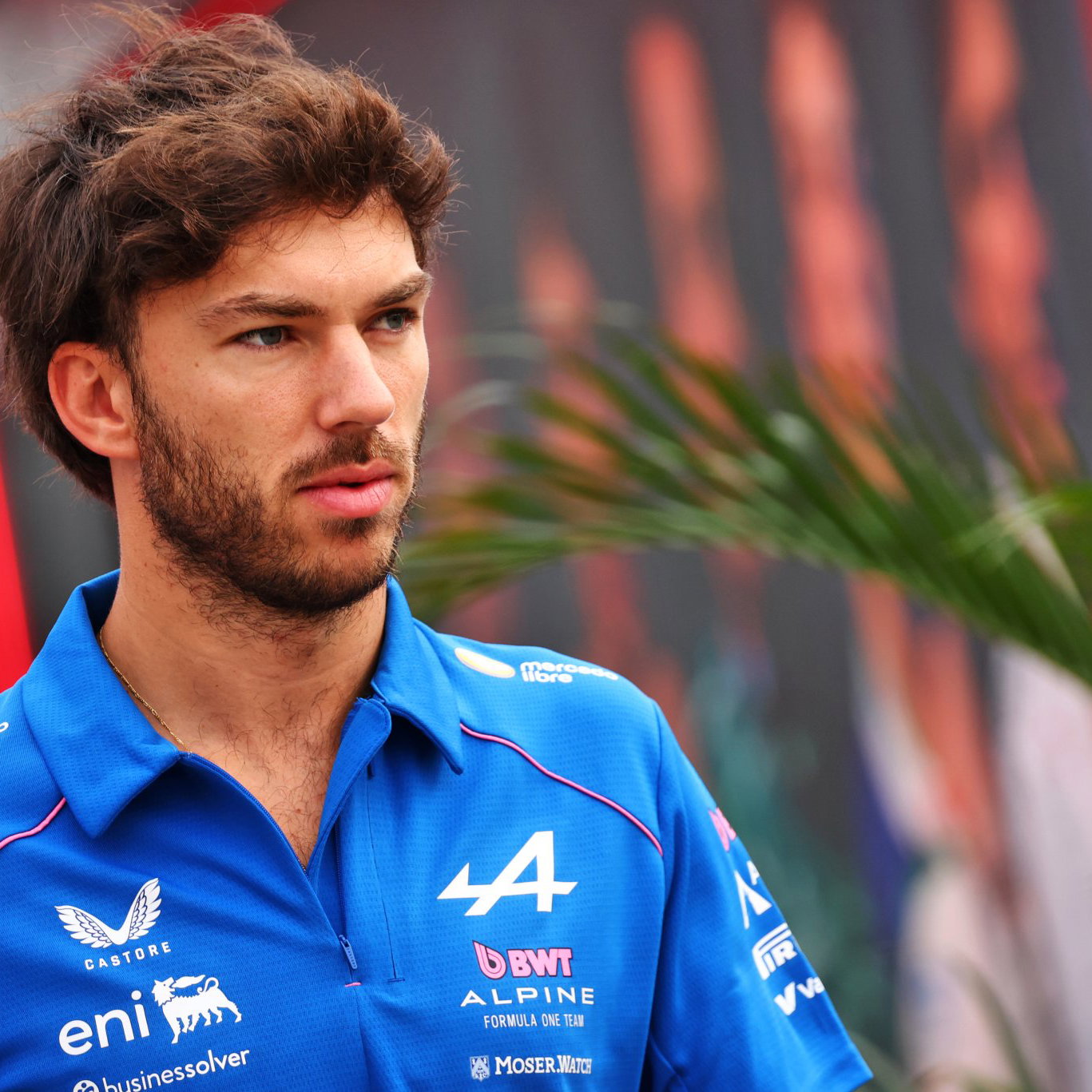
Alpine has explained how it won its successful bid to overturn Pierre Gasly's Monaco penalty.

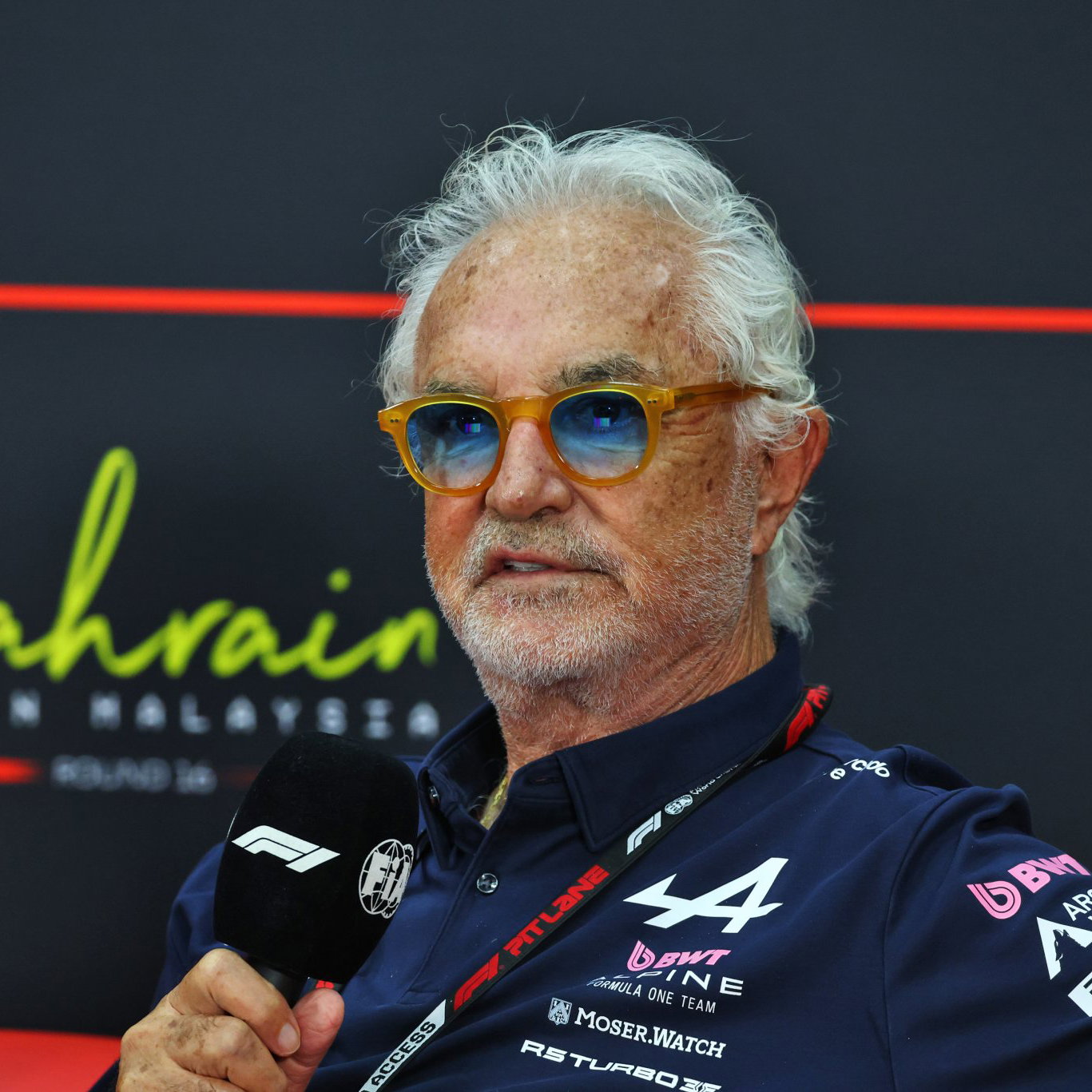
Alpine Formula 1 managing director Steve Nielsen says his team was seeking “clarity” and “justice” when it submitted its successful right of review after the Monaco Grand Prix.
On Friday the FIA stewards confirmed that they had rescinded the two five-second pit lane speeding penalties handed to Gasly, and which dropped him from third to seventh in the results as published on Sunday night.
Gasly has thus now regained his third place, with Isack Hadjar, Oscar Piastri, Liam Lawson and Arvid Lindblad all dropping a position.

Red Bull and McLaren have submitted a notice of intention to appeal, the first step towards challenging today’s decision.
“All I can say is we wanted clarity, we've got it,” said Nielsen when asked about the decision by Crash.net. “And we wanted justice, and we feel we've got it. And we're happy with that.”
Nielsen confirmed that Alpine had first been aware that there might be pit speeding issues earlier in the weekend, when drivers from other teams were
“We were aware that there had been issues with that part of the track on Friday and on Saturday,” he said.
“So we had some doubts about it, because of that we'd already warned our drivers about it, and when we started seeing all these penalties come in the race, whilst we didn't know exactly what the error was, it was not unreasonable to think there's something wrong.
“I've been doing this for a few years now, and across a season, you see pit end speeding, it's one or two, maybe four or five in the whole year, so to see six three of which were ours in one afternoon combined with what we knew about Friday and Saturday, ‘Okay, something wrong.’ Whilst we didn't know exactly what it was, we were very sure there was something wrong.”
He added: “Honestly, it was really only because another team had said to us, 'We think there's an issue there, you know. Be careful.' And there was a meeting that was attended by some teams where it was discussed that there was an issue, undiagnosed.
“Now I'm not sure I would have done anything differently, but because you know 99 times out of 100 and it's probably more than that, when you get pinged for pit lane speeding, it's you don't even question it.
“Some guy comes on the radio and says, yeah, we see it in data, and you just take the penalty. This time was different, wasn't in our data, that's the biggest alarm bell for us. We don't see it.”

The team was convinced on Sunday night that it had a good case.
“We had very accurate on-car data,” said Nielsen. “And we've all incurred pit lane speeding before, and when you incur it, most of the time we see it in our own data before the FIA even tell us, and sometimes they tell us, and we look, and we see it.
“So every time you see it, the different thing was this time is all our controls engineers were saying there's nothing in our data, so that added with the issues we knew from Friday, Saturday, and the number of them, we were very, very sure that we were innocent.”
The key piece of evidence was F1’s admission that there was an issue with the speed measurement, which emerged the following week.
“All credit to FOM and the FIA,” said Nielsen. “They've been completely transparent with us from the beginning, and while we had our suspicions, we didn't know the detail of what had gone on until we got the report from FOM on Wednesday afternoon.
“FOM and the FIA are well-run companies. I was at FOM for many years, and they equip themselves to a very high standard almost all the time. In this instance, there was an error. They didn't try and hide it, which was appreciated, and I'm sure they'll learn from it and move on.”
Neilsen acknowledged that Monaco is a tricky pitlane to police: “You have to remember the peculiarities of Monaco, where the pit entry is a curve, so it's quite complicated.
“All the other loops in Monaco, which are in a straight line, were fine, but that was the big variable in this case, and there's a few other circuits which are not quite as extreme as Monaco, and then barriers get put in a slightly different place each day, so Monaco is a particular difficulty, I would say.
“It's not really until this happened you start looking at all the variable variabilities of the pit entry, and I'm sure I to answer your question, I think the way they do it is correct. I think it's fine. It just needs to be a little bit more robust.”
He conceded that getting the points back didn’t compensate for missing the podium ceremony and not having a chance to celebrate on Sunday night.
"Absolutely,” he said. “And it may just be Steve's vote, but if I could trade, I'd have that podium moment over the points. That's the bit we can't ever get back, and it's a shame for Pierre, and it's a shame for the team, but we've got as much as we can.
“We've got the position and the points, which is nice, but if I could choose, I'd have the podium, that emotion, which is what you can't get.”

Adam Cooper attended his first F1 race at Brands Hatch as a 10-year-old fan in 1976. He became a freelance journalist for Autosport magazine in 1985 while still at university, initially covering everything from club racing to the FIA World Sportscar Championship.