Mercedes reveals early findings from Singapore split F1 car experiment
Mercedes has shared its early learnings from its unique Singapore experiment.

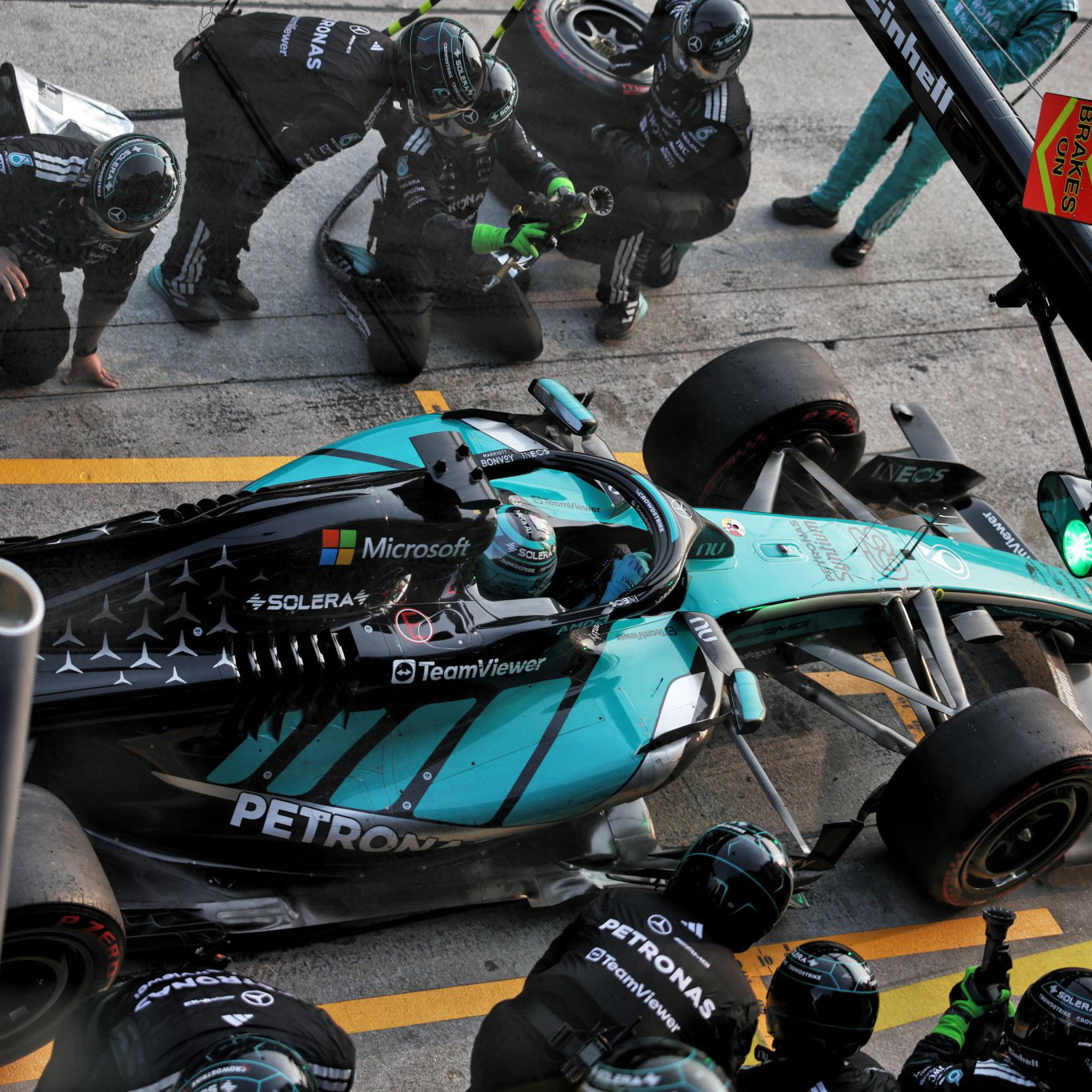
Mercedes has revealed its early findings from running a back-to-back comparison with its Formula 1 car at the Singapore Grand Prix.
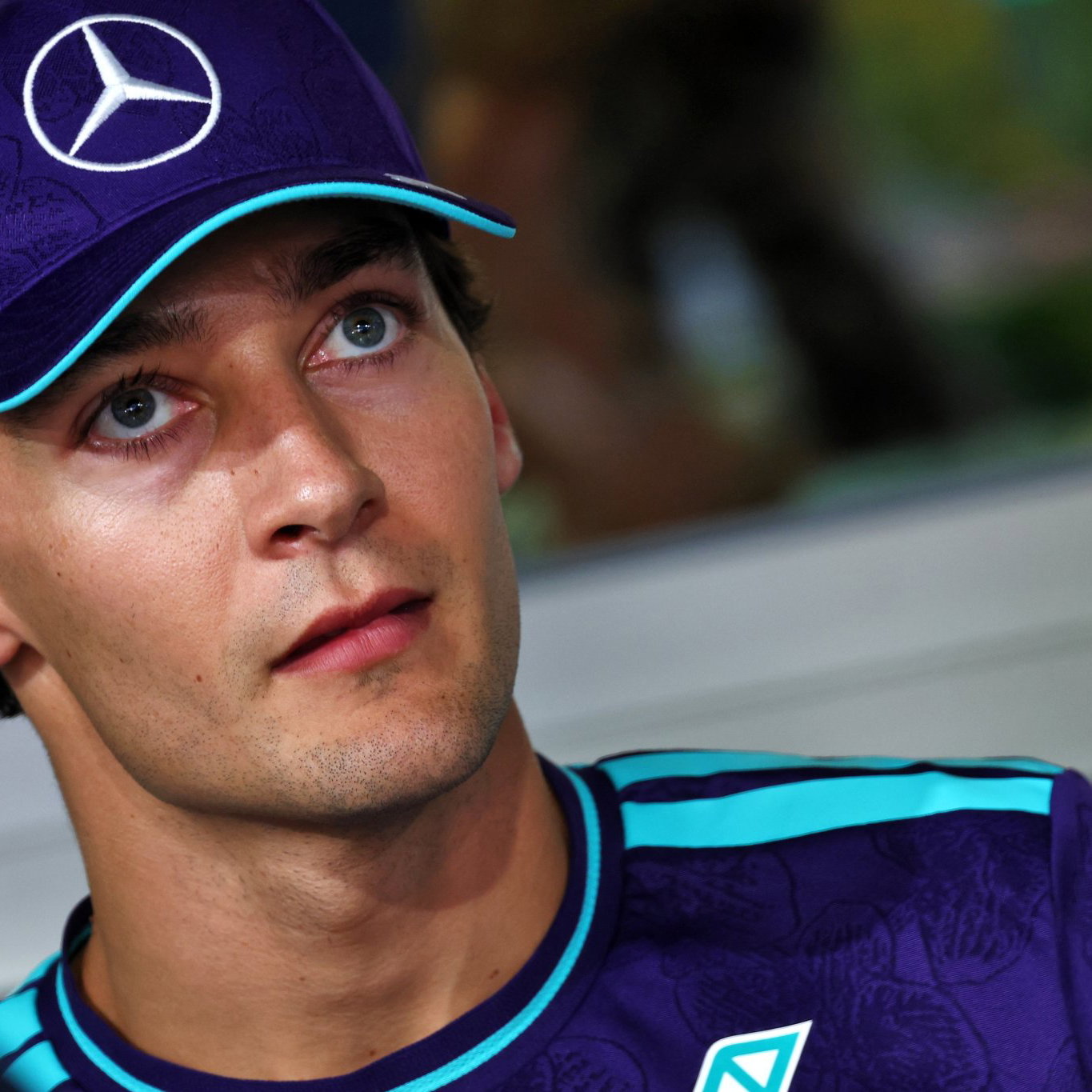
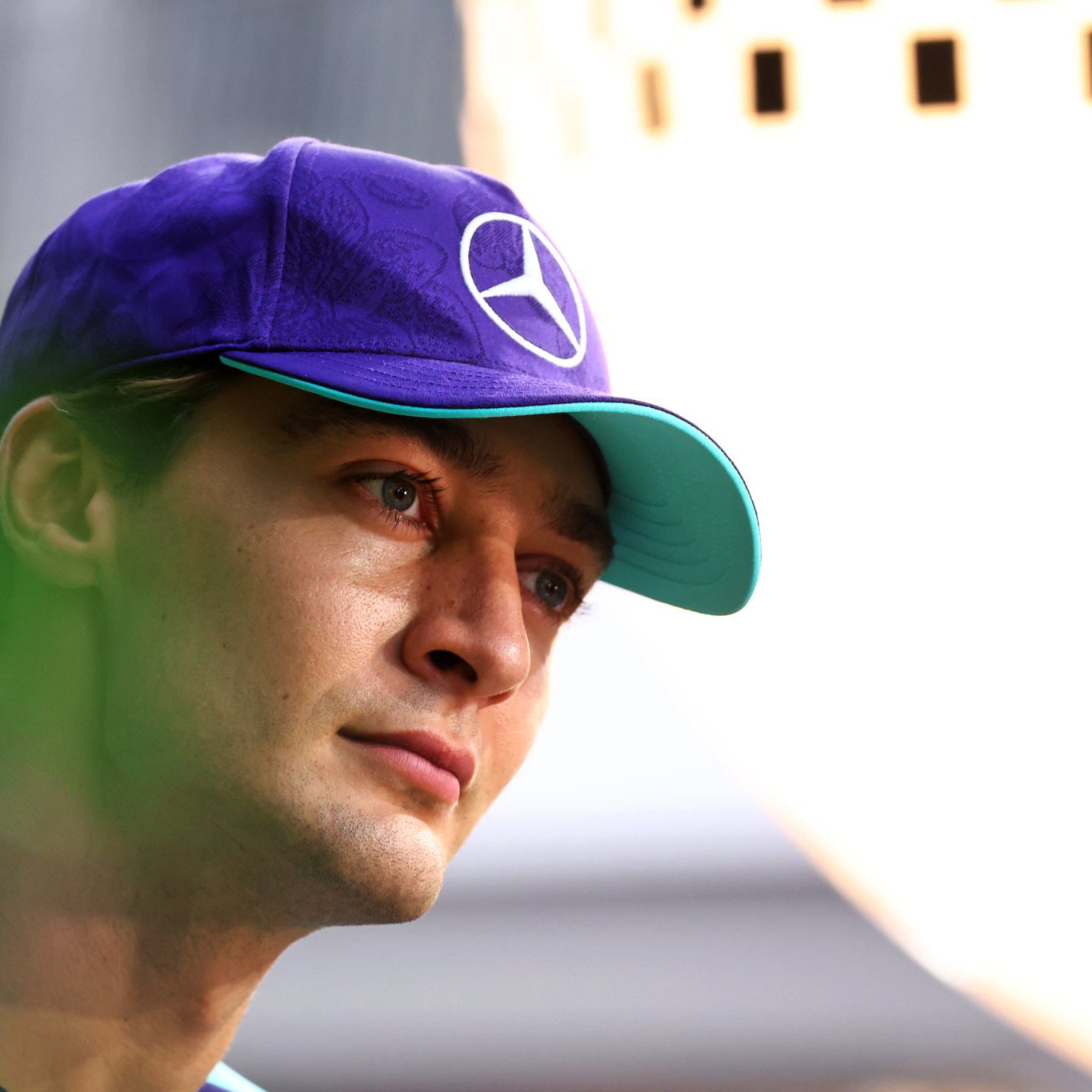
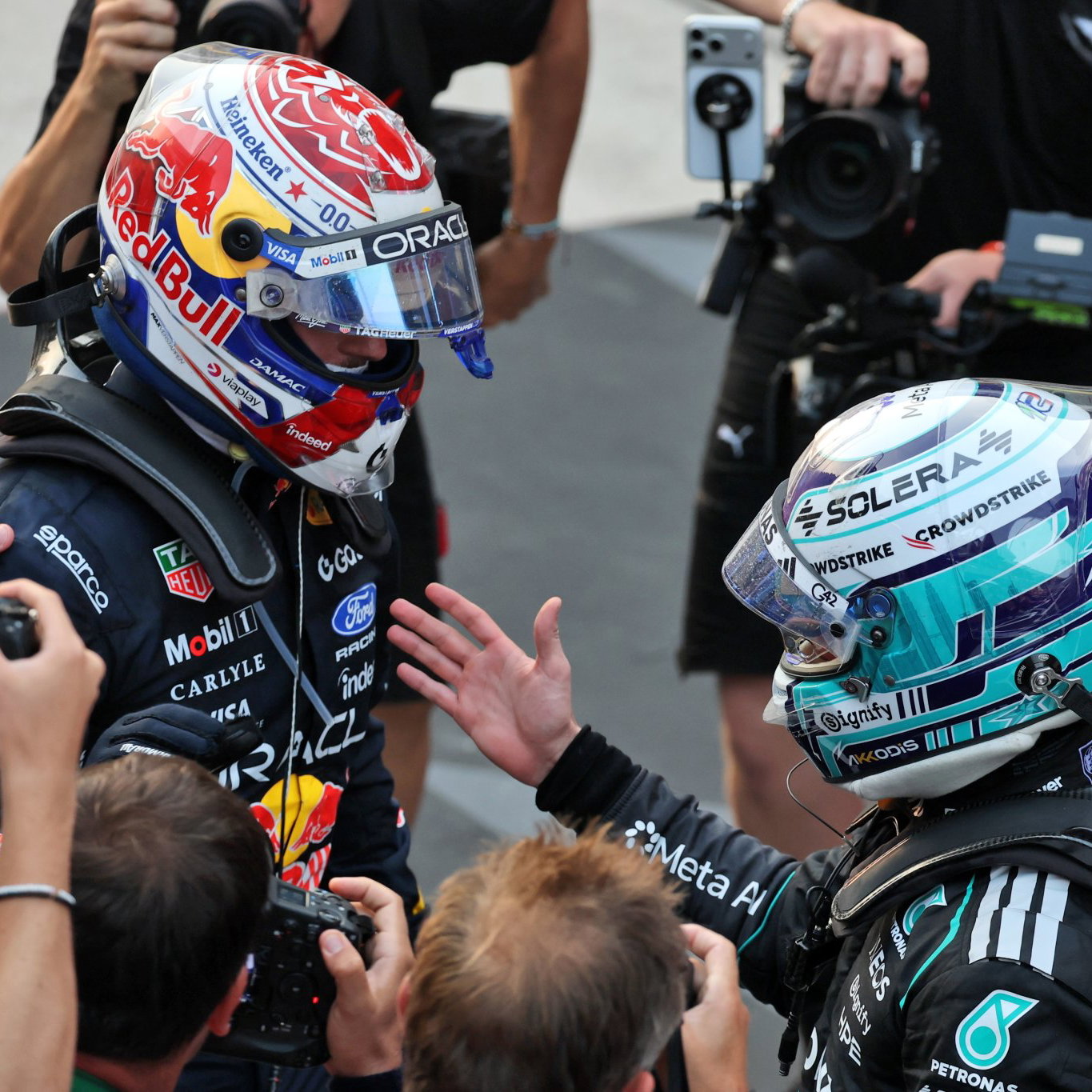
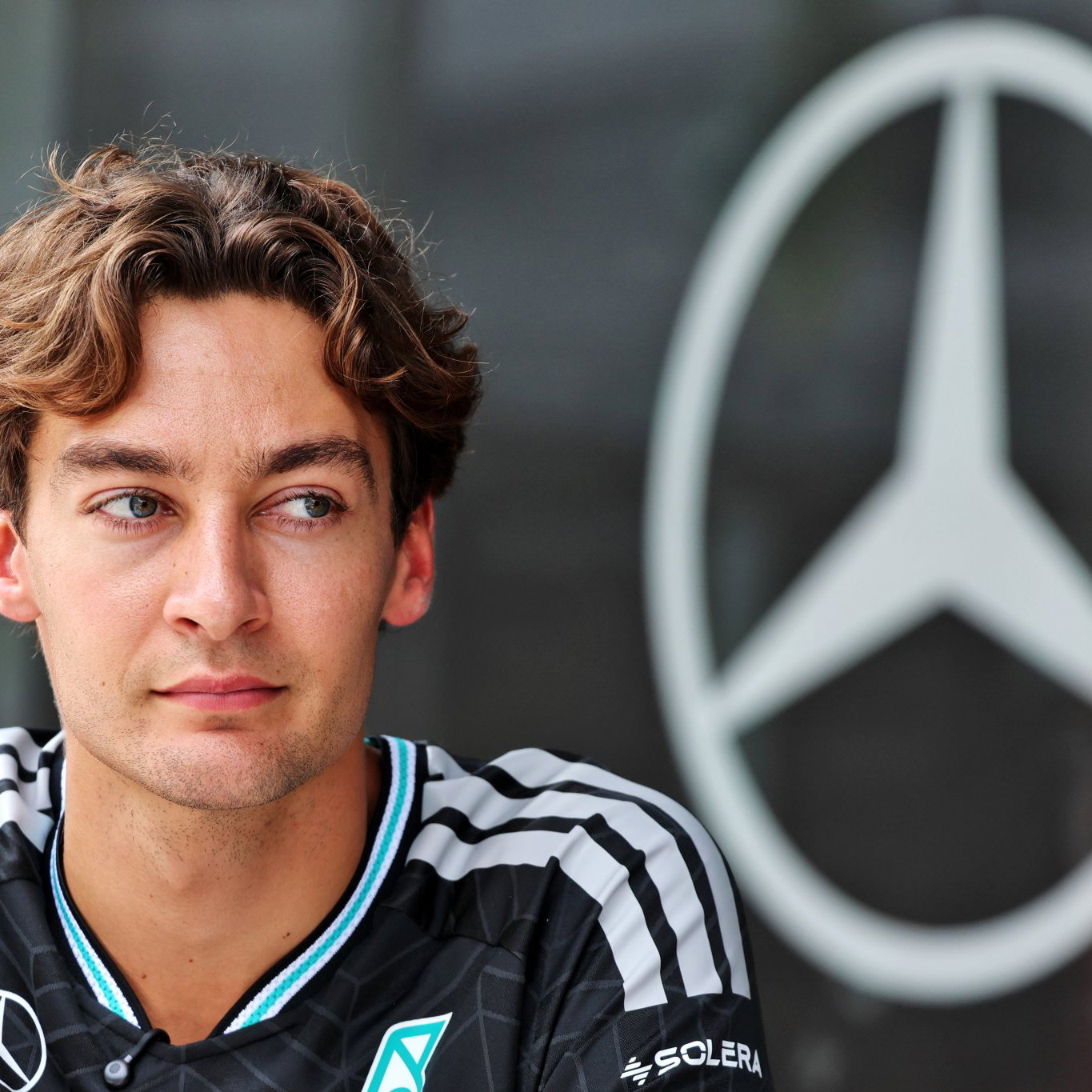
George Russell topped the timesheets in the only practice session in Singapore using Mercedes’ older-spec, while team-mate and championship leader Andrea Kimi Antonelli was seventh and 1.3 seconds slower in the upgraded W17.
There is little comparison that can be drawn from the pure lap times, however, given the pair used different tyres (Russell soft and Antonelli medium), while Antonelli ran down an escape-road during his final push lap.
Nevertheless, Mercedes has already collected some valuable data to cross-reference between the old and new specification aerodynamic package as it bids to understand whether the major upgrade it debuted at the Bahrain Grand Prix in Malaysia was a success or not.

"The complication is that we've brought a big upgrade to Sepang, and Sepang is so tricky and a little bit of an outlier in terms of the temperatures that we've seen on Friday and Saturday,” Mercedes team principal Toto Wolff said on Friday.
“And with the tarmac being quite open, we kind of didn't know whether the upgrade wasn't working as we thought, or whether it was influenced, indeed, by the track conditions. That's why we decided to go to Singapore, have two different spec of cars, and see what it's what it's going to do, well knowing that Singapore is an outlier of a track too.
“We've done that exercise in FP1. There is a pattern, but most importantly is to really dissect what's working and what not on the old and the new spec, and then finding a way forward in picking the best bits and seeing where the development direction needs to get us in order to extract the optimum lap time.
"Now, having said that, obviously running two different cars is not always ideal but it's a compromise we just need to take. So we have two test pilots at the moment. We need to take in order to assure that we're doing the right thing for next year as well.”
Wolff said the early “pattern” suggests that the latest version of the Mercedes is trickier to drive, though he stressed that does not mean it does not have more outright performance potential than its predecessor.

“There is a similar pattern that the new car seems to be a little bit more trickier to drive, not saying it's necessarily slower because there will be goodness in it, but maybe we have haven't just found a way of putting it all together and tuning it,” he explained.
“The older car is a bit stable, grippy, but that is really just one data point, that is one free practice session. It will be needing more time to really come to more conclusive information.”
Wolff admitted it is “very” important that Mercedes finds a way forward with the upgrade as attention starts to turn towards development for the 2027 season.
“We've put a few months into the car,” he said. “Clearly pointing in a direction that we we think is advantageous and maybe we just need to calibrate it a little bit in order to find the right way forward for 2027.”

Lewis regularly attends Grands Prix for Crash.net around the world. Often reporting on the action from the ground, Lewis tells the stories of the people who matter in the sport.