FIA explains bizarre technical problems behind Bahrain GP start delay
The FIA has explained the sudden power loss drivers experienced during the formation lap in Malaysia

After the lengthy delays due to the heavy rainfall before the start of the Bahrain Grand Prix in Malaysia, there were further delays due to issues on the formation lap.
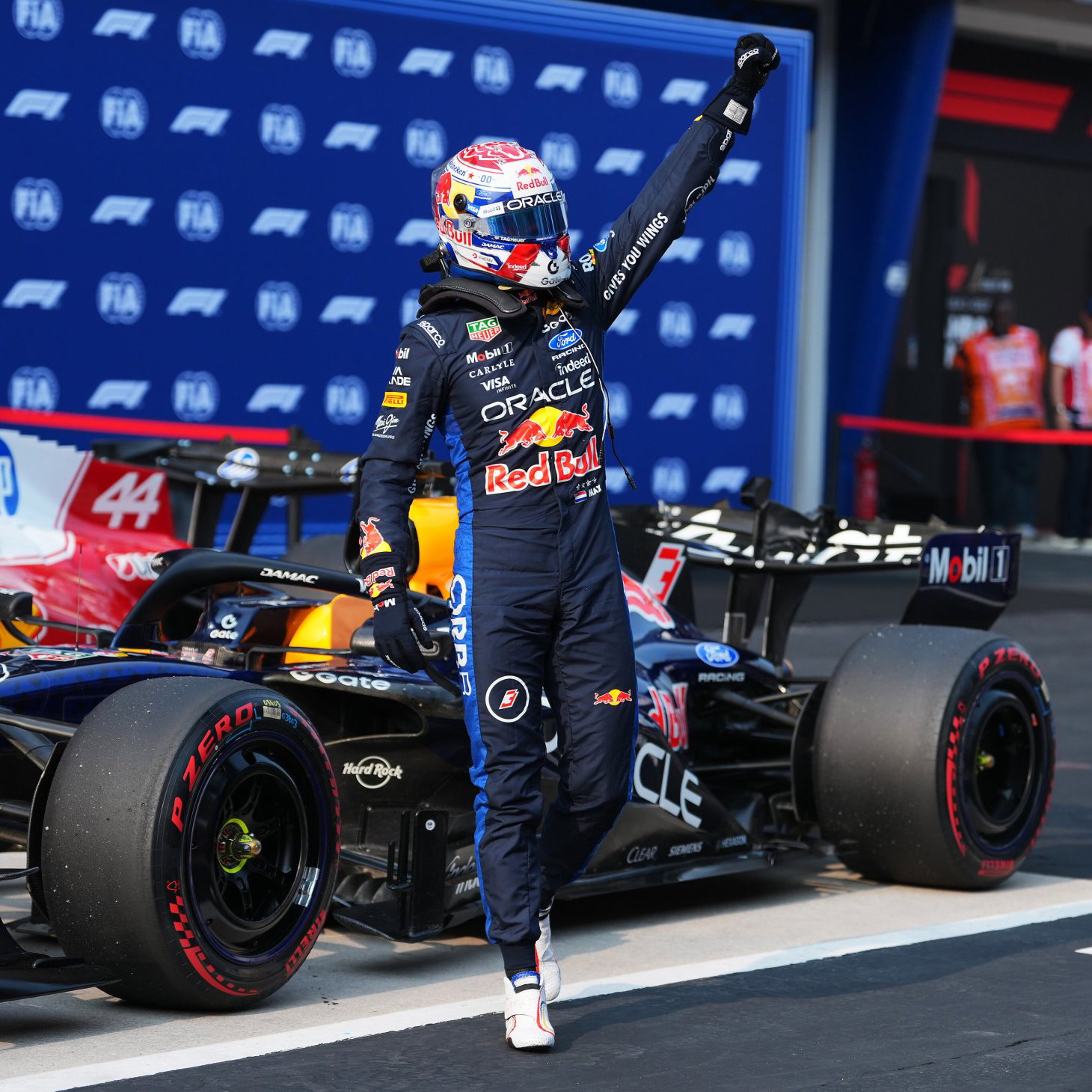
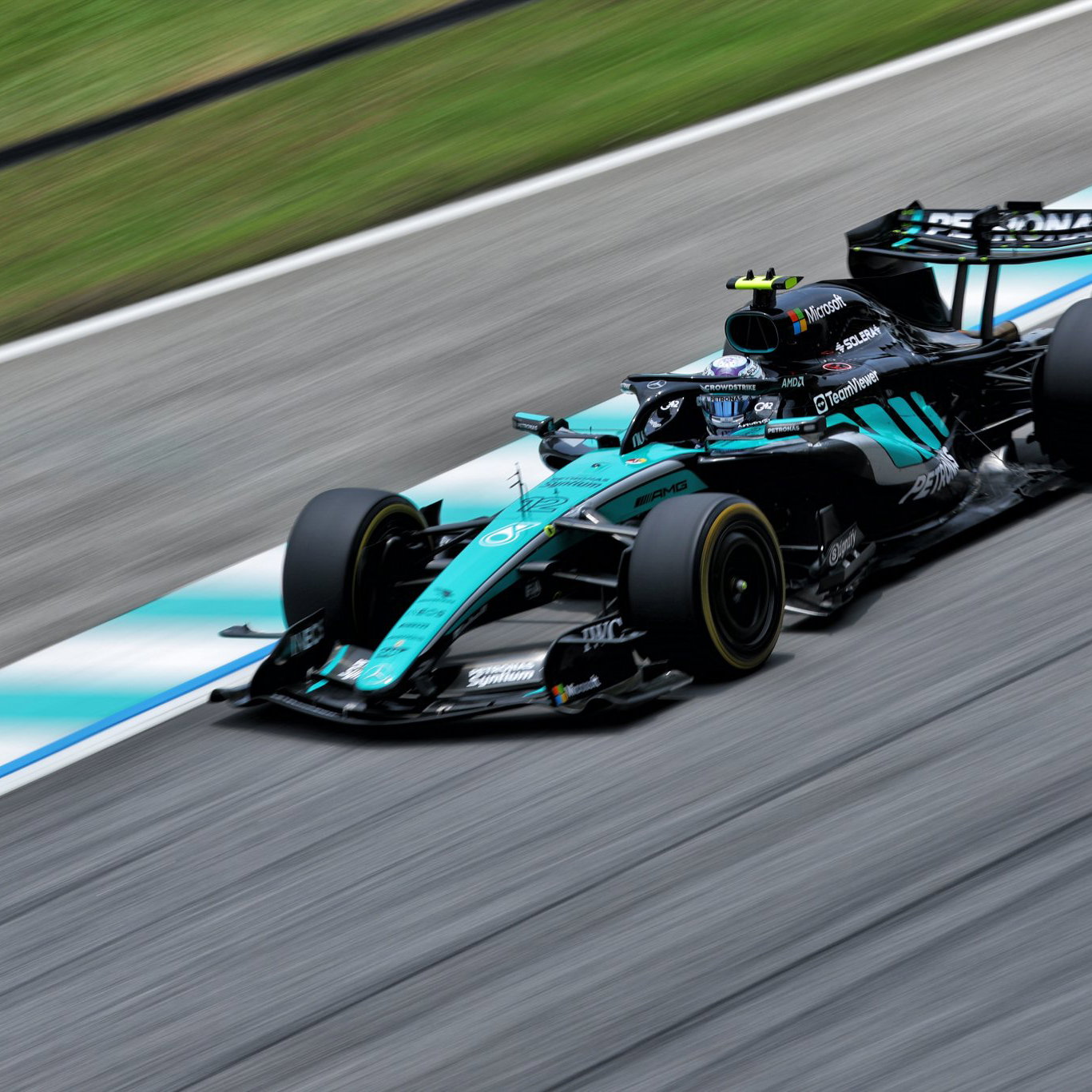
On the way to the grid, whilst following the safety car, certain drivers experienced power loss, most notably both drivers on the front row, Max Verstappen and Lewis Hamilton.
The Dutch driver was quickly able to get going again, but Hamilton’s issues took slightly longer to resolve as he pulled over to the side of the track and dropped through the order.
It was after these issues that the FIA aborted the start of the race and delayed the starting procedure further.
Following the conclusion of the Bahrain Grand Prix in Malaysia, it has been confirmed that a number of cars experienced a loss of power due to a number of factors.
The cause behind the sudden loss of power has been attributed to low engine speed, low grip, wet-weather energy management settings, and the sector configuration at the Sepang International Circuit.
It was during the starting procedure delay that the FIA sent out an updated software release to every team, which removed the energy limit constraint in the affected sectors.
A further investigation will occur between the FIA and the Power Unit manufacturers in an attempt to discover the reason the issue occurred.
A statement from the FIA regarding the loss of power that took place on the formation lap reads:

"On the formation lap ahead of the Bahrain Grand Prix in Malaysia, an unprecedented combination of low engine speed, low-grip conditions, wet-weather energy management settings and the Sepang circuit’s sector configuration led to an unintended loss of power for a number of cars.
“As a result, the FIA Technical Department removed the energy limit constraint in the affected sectors through an updated software release distributed to all competitors during the race delay caused by heavy rain, enabling teams to make the necessary changes to the Power Unit before the start of the race.
“This issue had not been detected by the FIA or the teams during testing or during the laps to the grid. The FIA, together with the teams and Power Unit manufacturers, will undertake a full review of the issue."
FIA single-seater Nikolas Tombazis admitted that F1 was caught out by the "bug" due to it being the first competitive running in wet conditions this year.
“We didn't manage to test the software as extensively as we would have liked, because there's been very little wet running this year, and there was a bit of a combination of circumstances which caused this bug to kick in,” Tombazis said.
“Basically, the formation lap, some cars went very slowly, almost came to a standstill. There was a bit of a concertina effect between cars, and some cars almost stopped completely. And that bug prevented the power to be redeployed and for the cars to start again. I think if we had had a bit more testing, we probably would have managed to catch it in time and not to have such a situation.”
He added: “Once the problem happened, our guys realised very quickly what was happening and had to work under a lot of time pressure for an update to the software, which was issued to the teams, and the teams had to install it on their cars.
“So all of that took about 20 minutes. It may have felt like five hours for spectators waiting [for] a race and for everybody else, which is understandable, and we are sorry about that. But I think it was quite a fast reaction given the problem.”